
 How Hungary’s richest man funneled millions into Orbán’s propaganda machine
  How Real Is the US Withdrawal from the Middle East?
  From Iran to China: An Emerging Trans-Central Asian Corridor
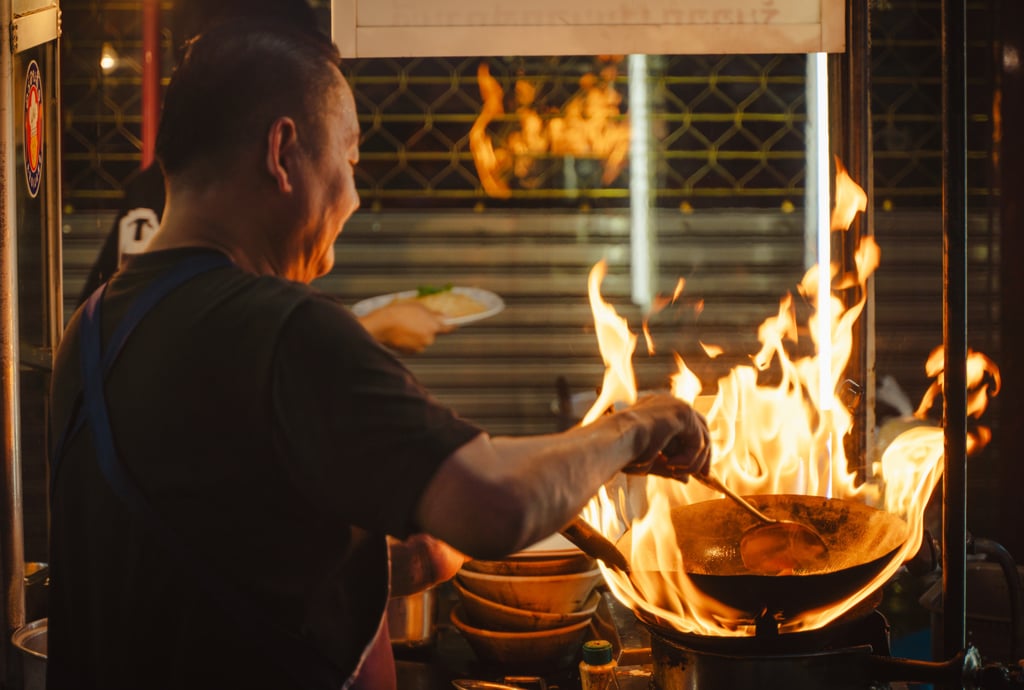
 Bangkok’s best street food has always existed on a kind of mental map for Thai food writer Choltanutkun Tun-atiruj.
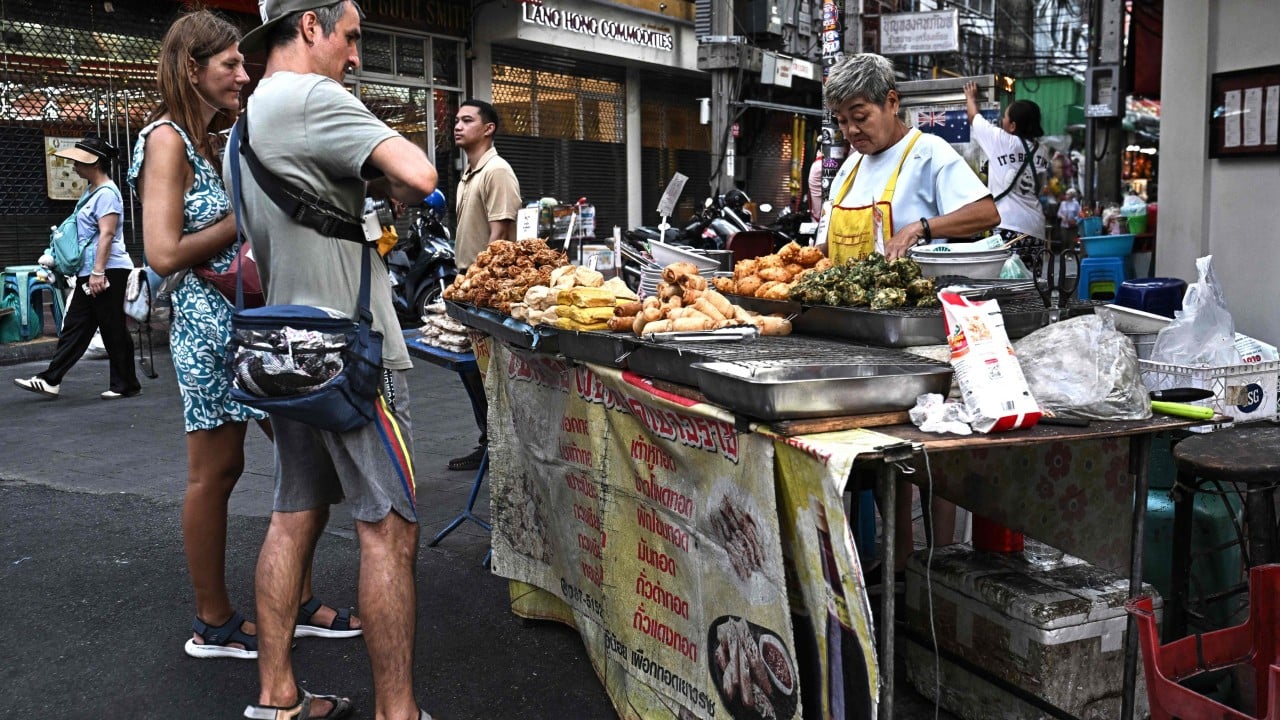
It is built from habit, cravings and neighbourhood rhythms: the office crowds, the schools, the university nearby and the vendors selling everything from moo ping (grilled pork skewers) and sticky rice to pad thai and kuay teow reua – a bowl of rice noodles in dark broth flavoured with cow or pig’s blood, then topped with meat and spices.
“I can’t tell you my favourite because I rotate between vendors, depending on what I’m craving that day, but ever since I moved to this area a few years ago, I’ve never had to order anything on [food delivery and ride-hailing super-app] Grab ever again,” said Choltanutkun, who lives in Sukhumvit in the heart of the Thai capital.
Officials are now trying to turn mental maps like hers into a more formal one.
The app aims to boost the visibility and reach of food vendors while supporting efforts to lift the sector to international standards. Users can search for approved vendors, browse menus and find directions to each stall.
Don't Miss:
-
US wraps up military mission in Iraq, giving Baghdad room to strengthen China ties
-
As China and the EU begin crunch trade talks, optimism is in short supply
-
Data centre opposition is growing in Australia. Is there a middle ground?
-
Helper arrested for allegedly slapping 5-year-old boy after he refuses to eat
-
Workers, mostly Indian, building US consulate in Milan agree to record settlement