
 Rick Claypool on Pay to Play Corporate Crime Enforcement
  Labaton Launches Whistleblower Practice with Former SEC Acting Chair Allison Herren Lee
  Kremlin payment firm A7 has been pumping billions in ‘untraceable’ cash into global financial system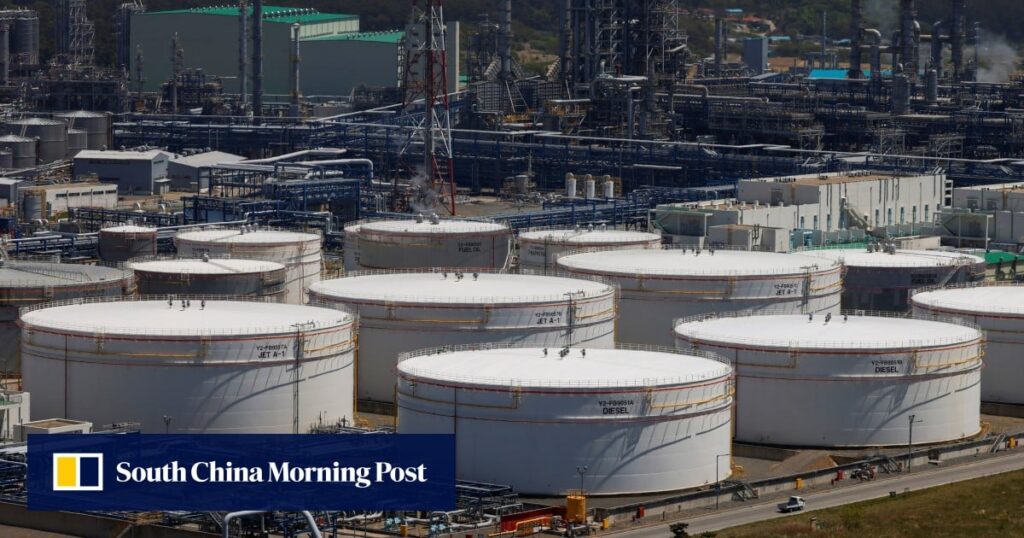
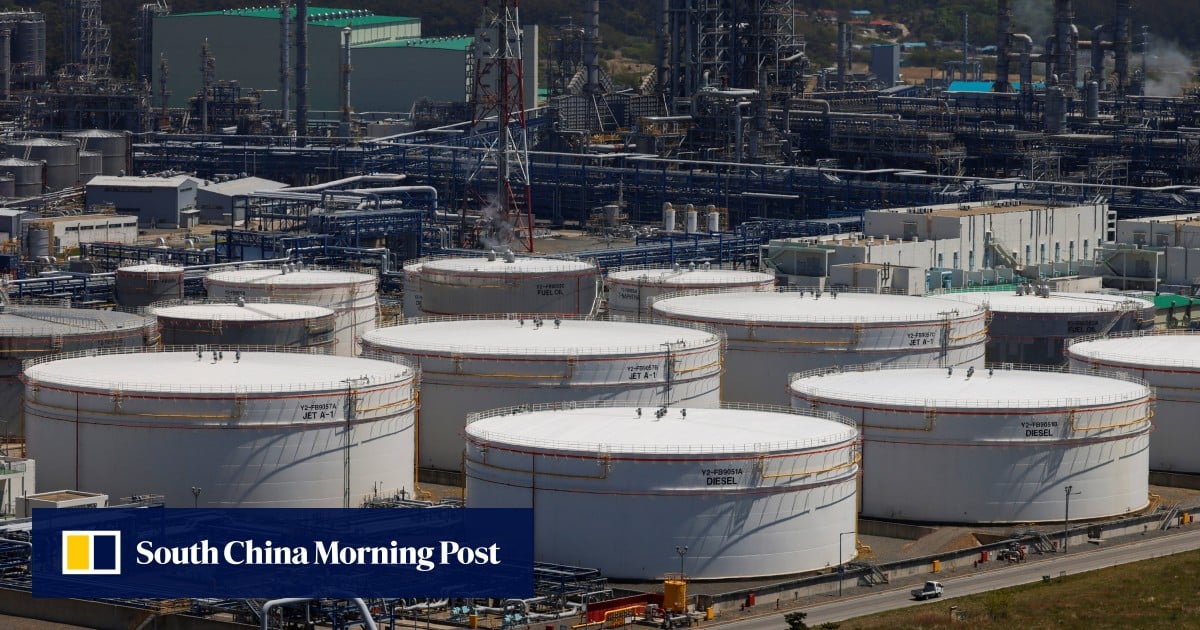
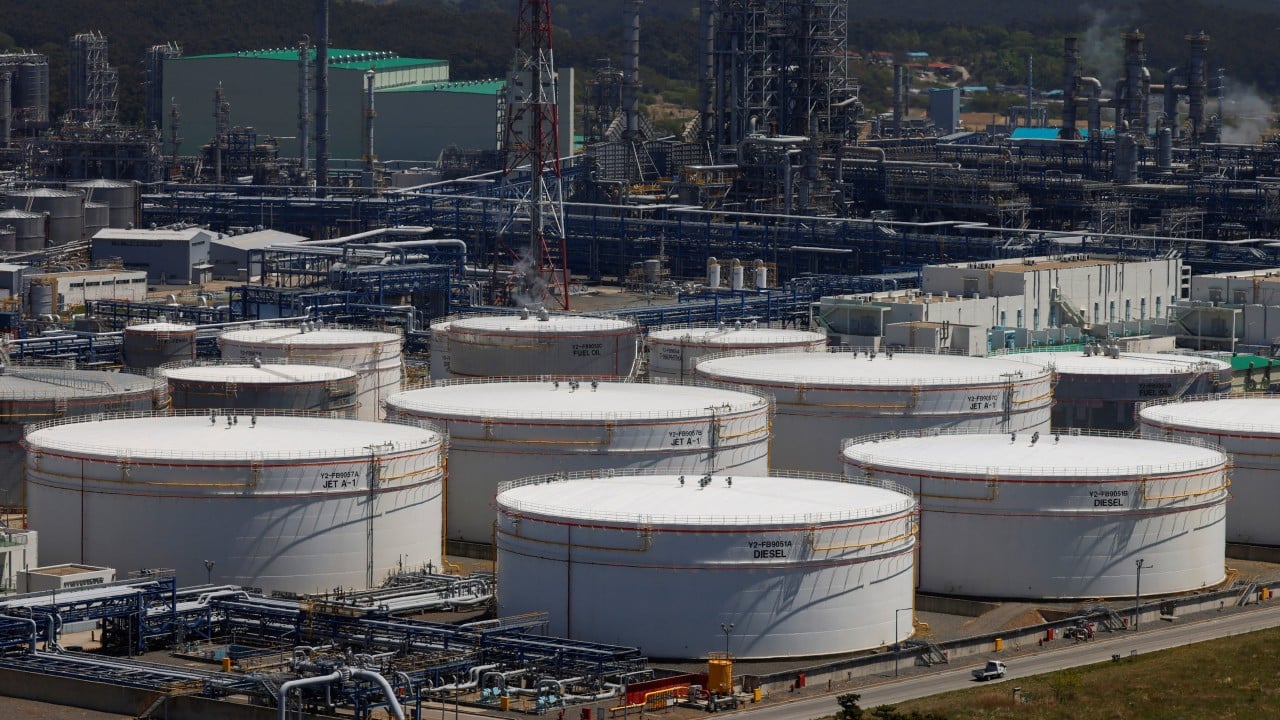
“Several countries have approached South Korea with inquiries and requests for consultations” about whether they can store crude oil at South Korean oil reserve bases, Yang told reporters last month, though he declined to name them.
Advertisement
For such countries as Saudi Arabia, Kuwait and the United Arab Emirates, “crude oil exports account for a massive share of their economies, and they have concluded that they can significantly reduce risks by storing oil outside the Strait of Hormuz to sell at a later time”.
The proposed moves by several Gulf countries come as their oil storage facilities approach maximum capacity for lack of export outlets since the Strait of Hormuz was closed after the start of hostilities in late February.
Advertisement
South Korea’s oil reserve bases, with a combined capacity of 146 million barrels, were built after the oil crises in 1973 and 1979 hit the country’s economy, according to the state-owned Korea National Oil Corporation.
Don't Miss:
-
A Total of 13 Mass Graves Have Been Found in Viesca Containing the Charred Remains of Men and Women
-
Jorge Luis Zambrano, alias “Rasquiña”
-
El Taliban Fell In Mazatlán… And What He Confessed Ties Everything Together
-
Inside the Camp at the Heart of Honduras’ Garífuna Land Struggle
-
This Is How the MataZetas Captured and Executed the Zetas