
 How Real Is the US Withdrawal from the Middle East?
  From Iran to China: An Emerging Trans-Central Asian Corridor
  New documents show how a retail chain’s sales practices helped put guns on US streets
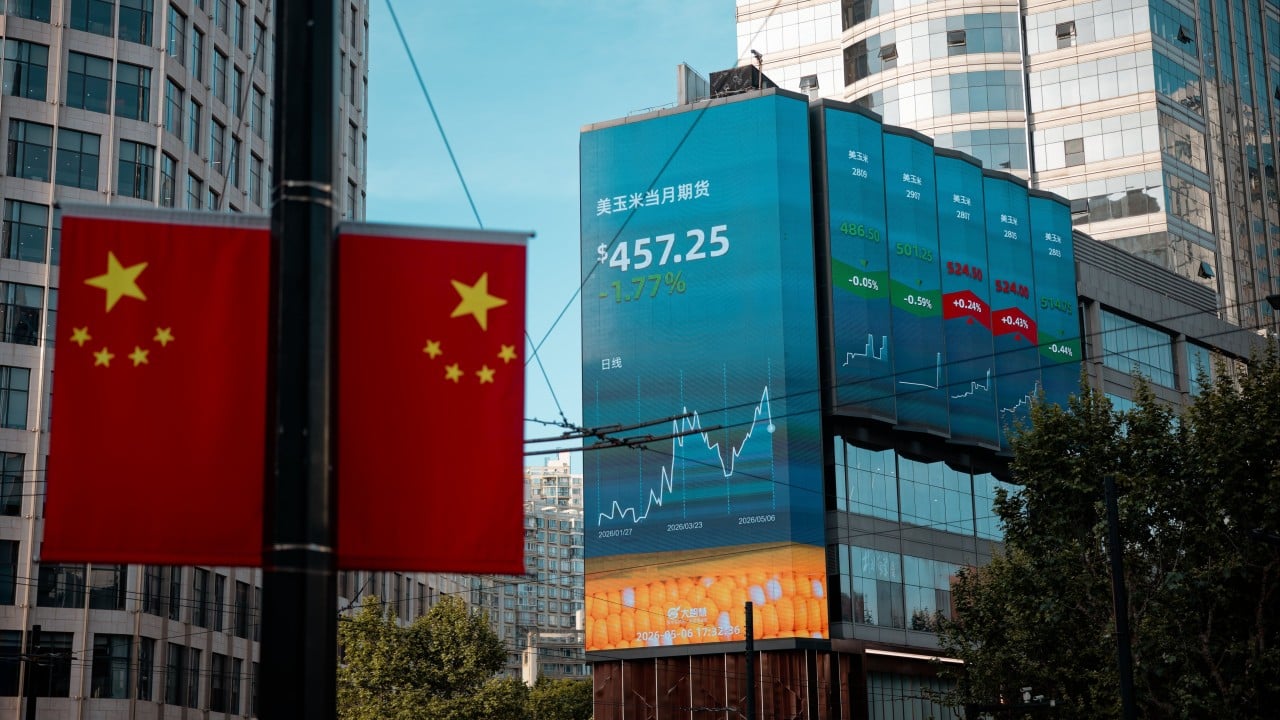
 The Shanghai Stock Exchange (SSE) has clarified rules for unprofitable artificial intelligence model developers wanting to go public, as China’s large language model (LLM) firms scramble for fresh capital in an intense race with US labs.
LLM developers can go public on the Shanghai bourse’s Star Market under a set of listing standards that require them to have an anticipated market cap of at least 4 billion yuan (US$591 million), as well as meeting certain criteria in terms of market potential, according to an exchange statement on Wednesday.
The move aimed to support listings of “high-quality” AI firms that had yet to form “a certain scale of revenue”, according to the statement.
Advertisement
AI players allowed to go public under such rules should have launched and operated at scale at least one LLM product, and need to have established “clear commercialisation arrangements”, according to the statement.
LLMs have “emerged as the focal point of global technological competition”, the SSE said in a separate WeChat post on the same day. Companies should have sustained, high-intensity research and development efforts, computing power investments and specialised talent, and be “in urgent need of support from capital markets”, the WeChat post said.

Also on Wednesday, the SSE amended rules for the Star Market to support listings from companies in other fields, including quantum technology, biomedicine, hydrogen and nuclear fusion energy, brain-computer interfaces, robotics, and sixth-generation mobile communications (6G), to “support high-level self-reliance and self-strengthening in science and technology”.
Don't Miss:
-
Canada will not allow assisted suicide for those with only mental illness
-
Trump wants to turn Florida golf course into presidential retreat
-
US proposes US$70,000 fee for foreign students to work after graduation
-
France halts use of stun grenades in policing of student protests
-
The Jalisco Cartel: At Its Weakest Point in History