
 Canada revokes dozens of crypto firms’ registrations
  Questions swirl around US plans for record $15B Prince Group crypto seizure
  Donate to ICIJ
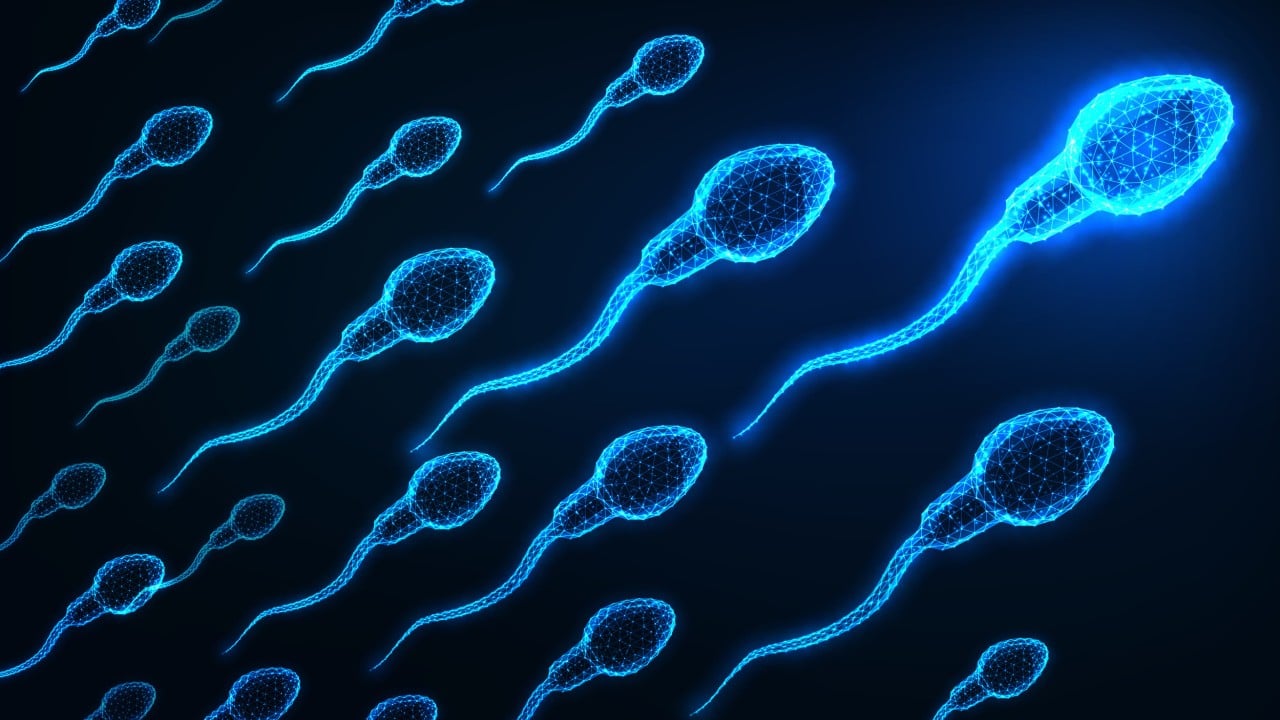
 Scientists have used a tiny plastic “obstacle course” to test how much sperm would struggle to navigate during sex in the weightlessness of space.
Some particularly resilient sperm still made it through the course, suggesting that conceiving children in space will still be possible, according to research published on Thursday.
However, a bigger problem could be that the development of embryos after fertilisation was harmed by a lack of gravity, the Australian team of researchers found.
Advertisement
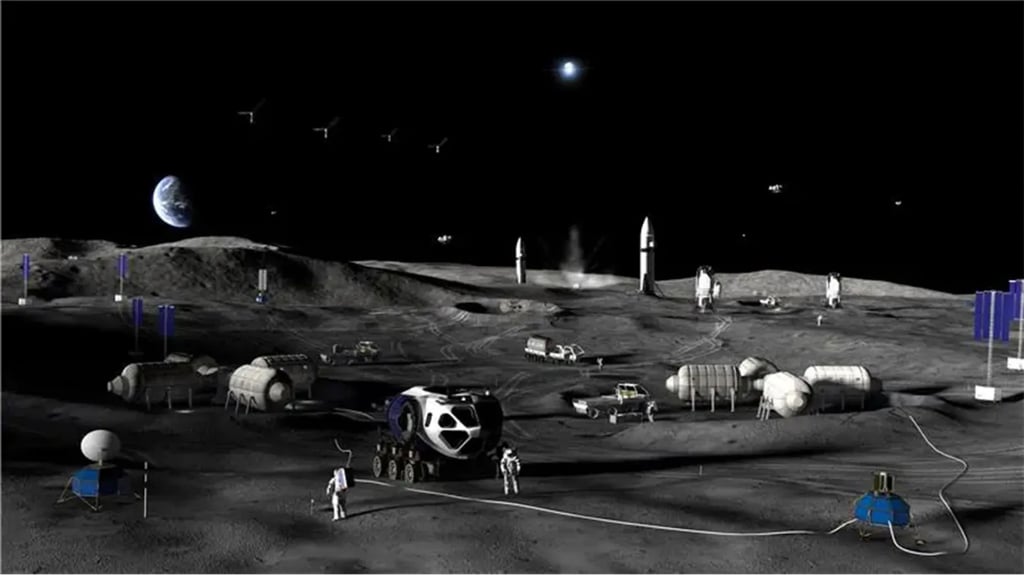
With humanity setting its eyes on colonising space – next week Nasa hopes to launch its first crewed mission around the moon in half a century – scientists have been studying how difficult it will be to procreate on spaceships or other worlds.
One of the biggest challenges is that sperm will no longer be pulled downwards by Earth’s gravity.
“Sperm need to actively find their way to an egg, and this study is the first to put that ability to the test under space-like conditions,” said Nicole McPherson, a researcher at Adelaide University in Australia.
Don't Miss:
-
China threatens Mexico with trade reprisals over 50% import duties
-
Police charge another 10 people over HK$1.6 billion JPEX cryptocurrency scandal
-
Can Donald Trump end his war on Iran in time for rescheduled China trip?
-
Knife-wielding man kills woman at Tokyo Pokemon shop before taking his own life
-
Olympic women’s sport to be limited to biological females