
 Would a Big Alaska LNG Deal make Taiwan Safer?
  Philippine VP Sara Duterte’s Impeachment Trial Narrows as Stakes Remain High
  Indonesia Stock Market Faces MSCI Exile over Poor Governance
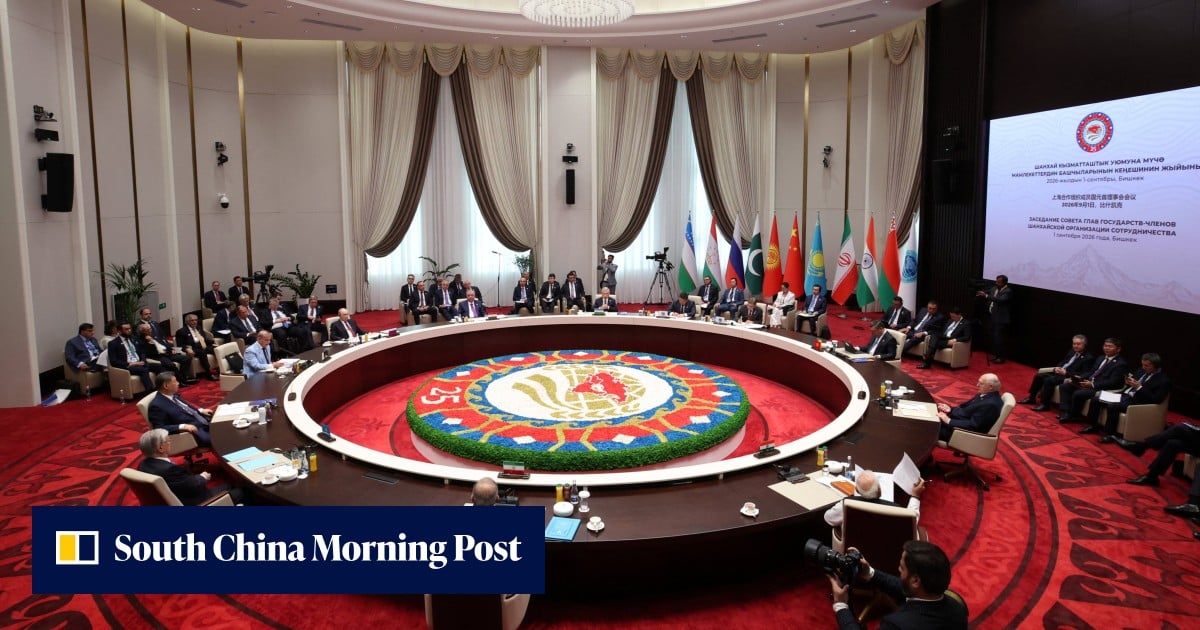
The Shanghai Cooperation Organisation has issued its first dedicated declaration on nuclear safety and security, condemning attacks on peaceful nuclear facilities and outlining practical cooperation, amid tensions over Iran’s nuclear programme and wider questions of global nuclear governance.
The document was adopted on Tuesday at the bloc’s 25th anniversary summit in Bishkek by leaders of all 10 member states – China, Russia, India, Pakistan, Iran, Kazakhstan, Kyrgyzstan, Tajikistan, Uzbekistan and Belarus.
It called for stronger cooperation on regulation, emergency response and the fight against illicit trafficking of nuclear materials, while reaffirming that nuclear security responsibility rested entirely with each state.
It also underscored members’ rights to the peaceful use of nuclear energy under the Nuclear Non-Proliferation Treaty.
Zhu Yongbiao, director of the Centre for Afghanistan Studies at Lanzhou University, pointed to several converging factors behind its adoption: China and Russia’s long-standing interest in deeper cooperation; growing demand for safety frameworks as civilian nuclear programmes expand in Central Asia, particularly Kazakhstan and Uzbekistan; and Iran’s full membership since 2023.
Don't Miss:
-
Captain Sol: The Ghost Who Controlled Customs and Ran the Government’s Illegal Fuel Trade
-
Former Chihuahua Prosecutor Arrested for Allowing CIA Officers to Operate in the Region
-
Mexican Authorities Target the Network of U.S.-Indicted “Carlitos Rugrats”
-
Drug Trafficking, U.S. Banks, and the Economic Reality Under Trump
-
Ivan’s Mob Beheads A Los Mayos Member