
 The Taliban’s New War Begins at Home
  Panama removed from EU’s tax haven ‘blacklist’ a decade after the Panama Papers
  Crackdown and Controversy: The Battle Over Beach Bars and Noise in Phuket’s Bang Tao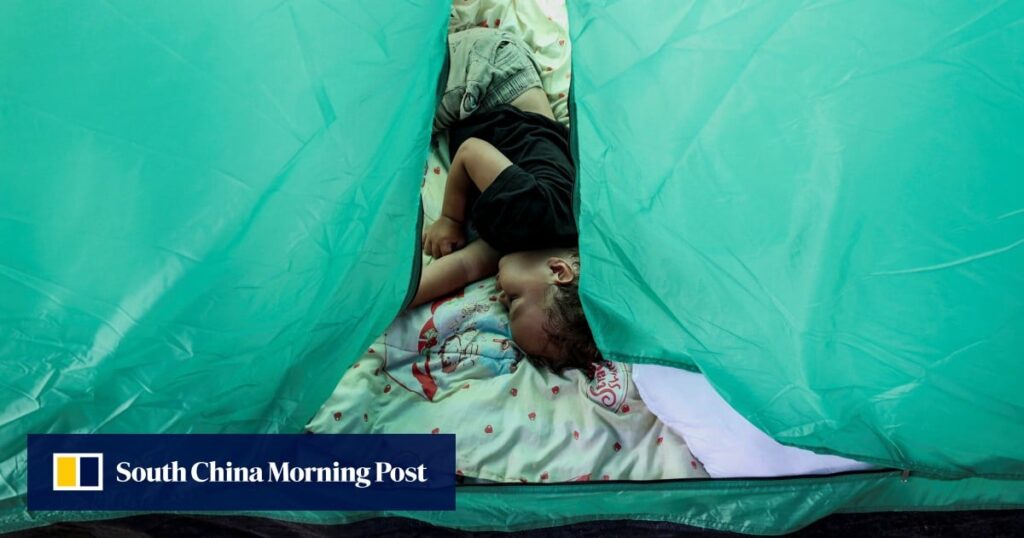
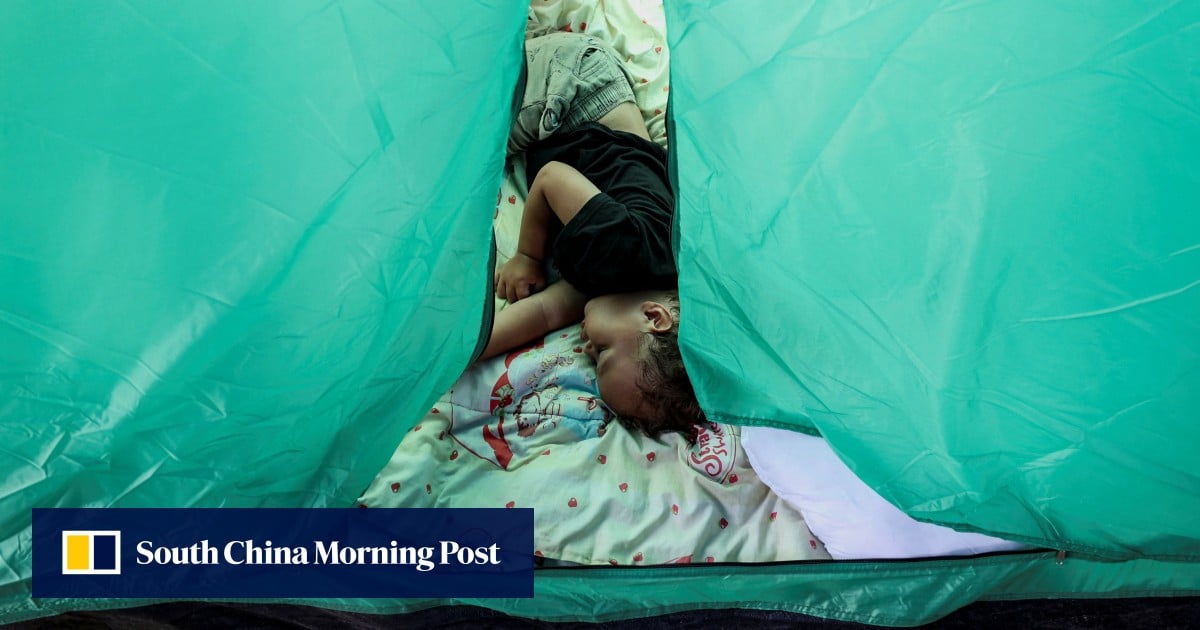
Disease outbreaks, poor sanitation, lack of access to clean water, and disruptions to basic medical care could pose the greatest health risks to the tens of thousands of survivors of Venezuela’s deadly earthquakes, the Americas branch of the World Health Organization said on Thursday.
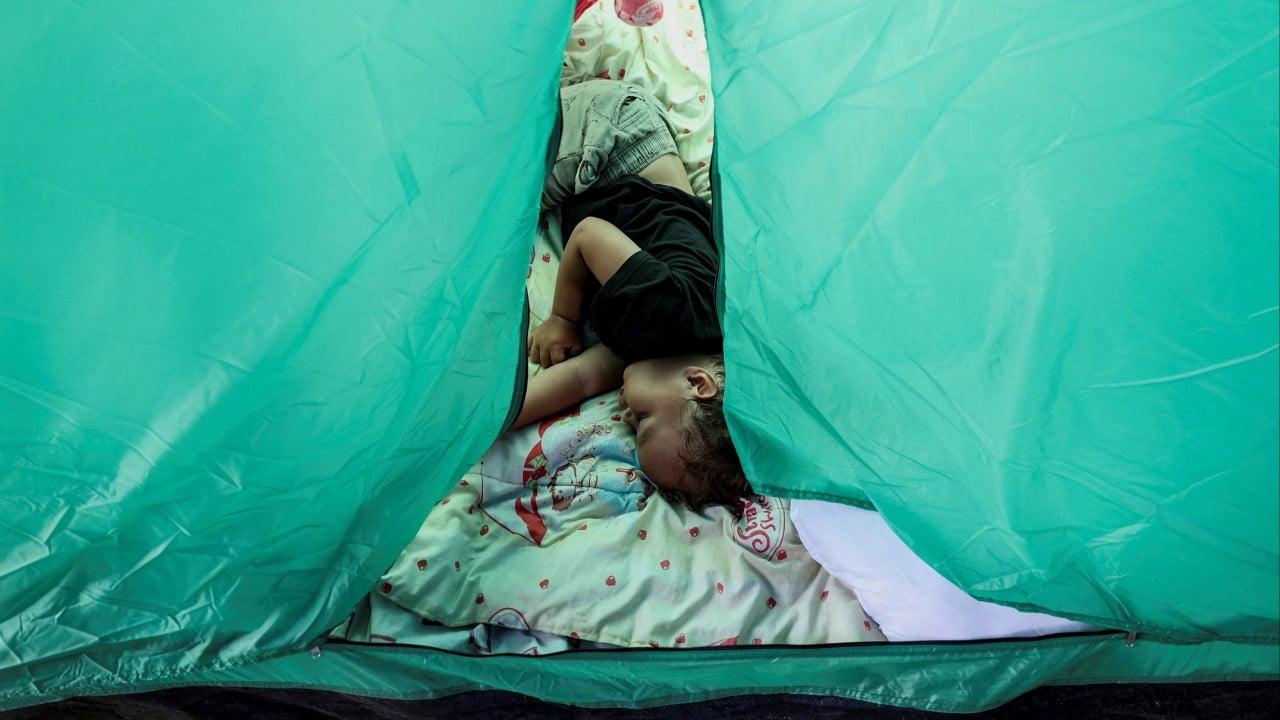
Venezuela has opened more than 80 shelters for those whose homes were destroyed in twin quakes on June 24, with the number of displaced reaching 17,907 by Thursday.
Poor shelter conditions could leave many survivors especially vulnerable, the Pan American Health Organization (PAHO) Director Jarbas Barbosa said on a call with journalists.
“In the coming weeks, the greatest health risks may stem not only from injuries caused by the earthquakes, but also from disruptions to health services, overcrowded conditions, deficiencies in water and sanitation and reduced access to vaccination and routine healthcare,” Barbosa said.
PAHO would work with Venezuela’s health ministry to monitor for potential outbreaks of respiratory or digestive illnesses and is urging access to vaccines, said Barbosa, who is also WHO Regional Director for the Americas.
It will also work with the government to incorporate field hospitals and shelters into an early warning system tracking diarrhoeal diseases, respiratory infections, febrile syndromes and vaccine-preventable illnesses.
Don't Miss:
-
Drug Trafficking, U.S. Banks, and the Economic Reality Under Trump
-
Ivan’s Mob Beheads A Los Mayos Member
-
Ex-OFAC Official: The Cartel Risk Companies Can’t See | The InSight Take
-
Why Ecuador Is Losing Its Fight Against Organized Crime
-
‘El Cromo’ Arrested in Guadalajara; He Is Linked to a Group Affiliated with the CJNG