
 Philippine VP Sara Duterte’s Impeachment Trial Narrows as Stakes Remain High
  Indonesia Stock Market Faces MSCI Exile over Poor Governance
  The Taliban’s New War Begins at Home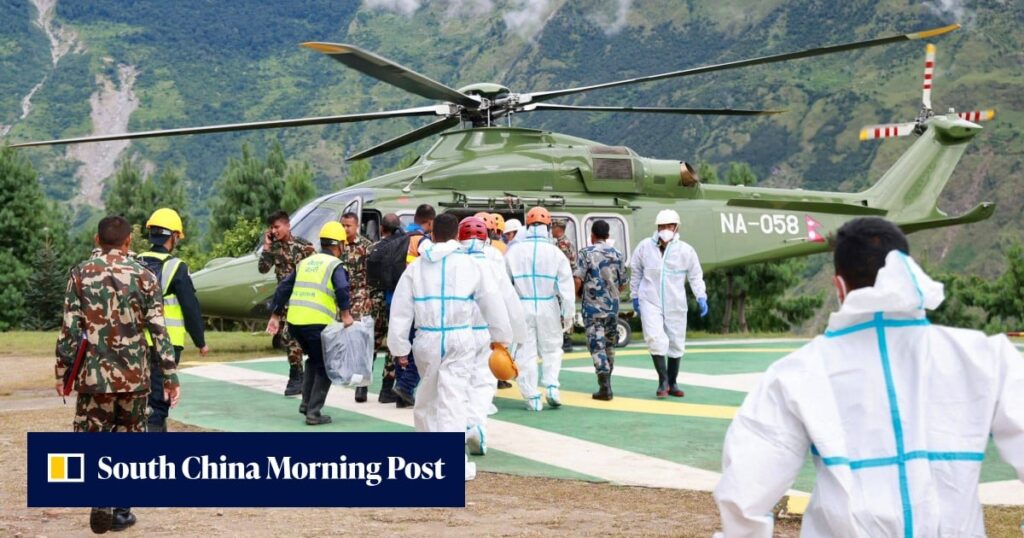
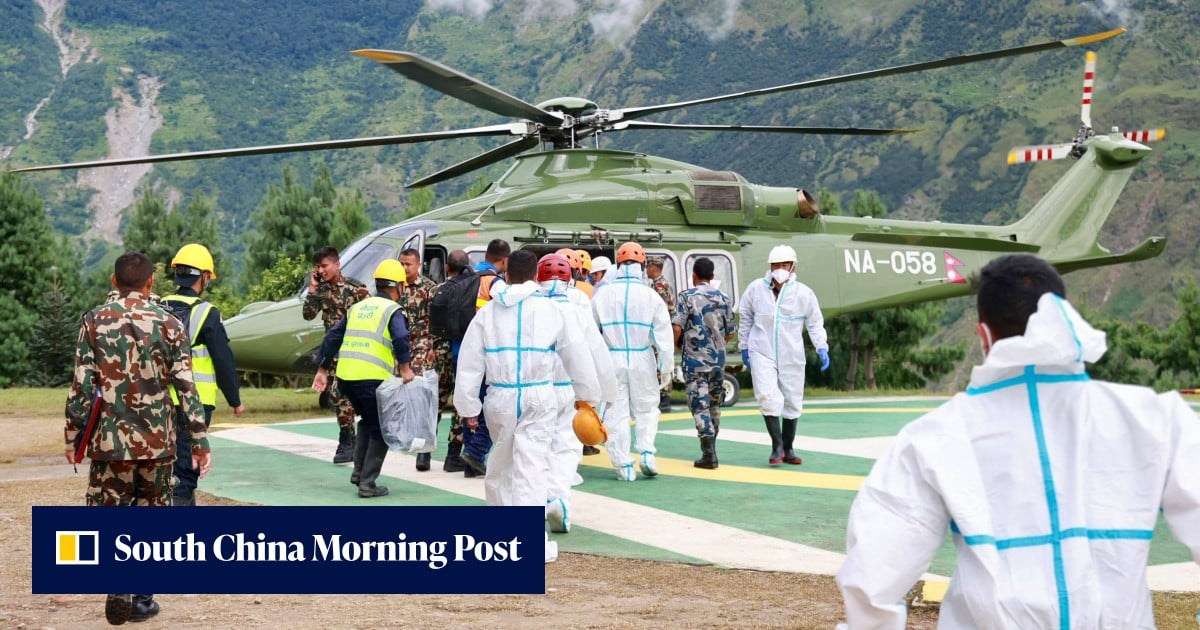
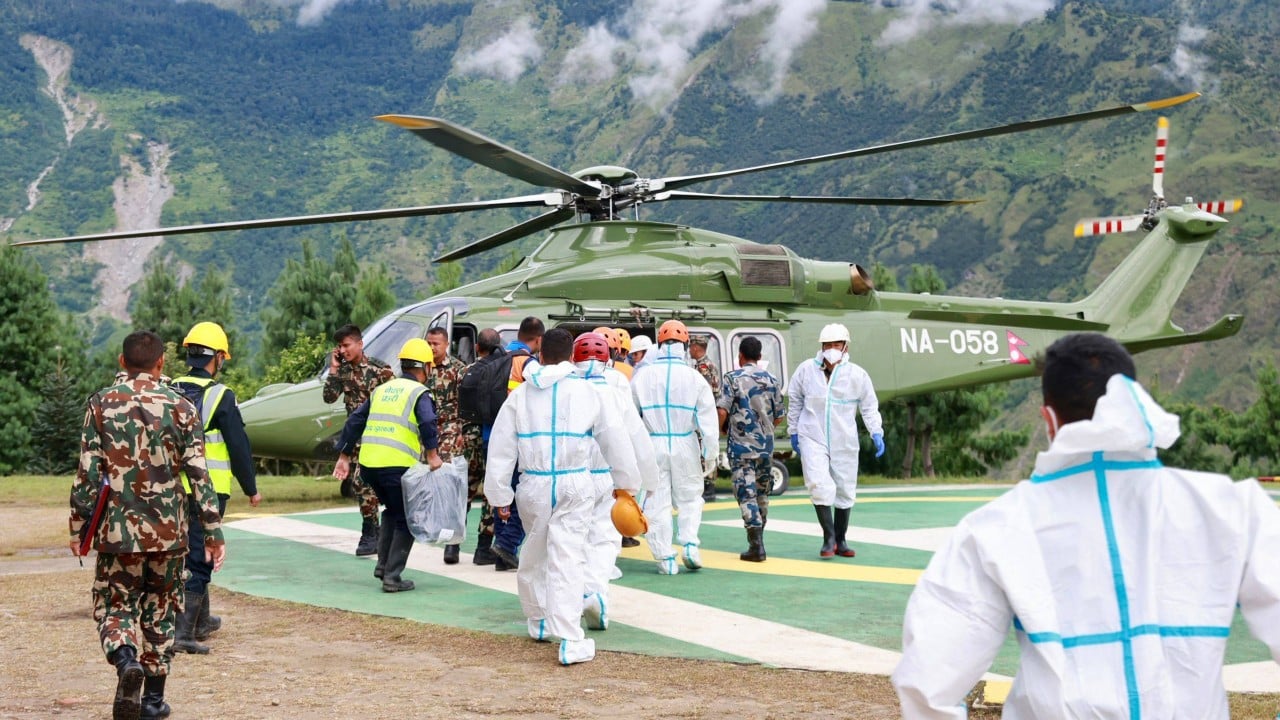
“We have a crisis in one part of the country, but we’re open elsewhere and are not affected by the floods,” said Lama, a tourism entrepreneur with over 20 years of experience. “I’m just trying to communicate that to my clients.”
Over 1,200 people have died, with more than 4,000 still missing – among them some 600 tourists, many of whom were pilgrims bound for Mount Kailash, a site in the Tibet autonomous region revered by Hindus and Buddhists.
Terrifying social media footage has alarmed visitors planning trips during Nepal’s peak September-October travel season, when post-monsoon skies offer unobstructed mountain views. But tourism operators stress that most of the country, including the popular Everest and Annapurna regions, remains safe and unaffected.
Don't Miss:
-
Captain Sol: The Ghost Who Controlled Customs and Ran the Government’s Illegal Fuel Trade
-
Former Chihuahua Prosecutor Arrested for Allowing CIA Officers to Operate in the Region
-
Mexican Authorities Target the Network of U.S.-Indicted “Carlitos Rugrats”
-
Drug Trafficking, U.S. Banks, and the Economic Reality Under Trump
-
Ivan’s Mob Beheads A Los Mayos Member