
 When Great Powers Talk, Who Speaks for Asia
  About the China Capital investigation
  Frequently asked questions about the China Capital investigation
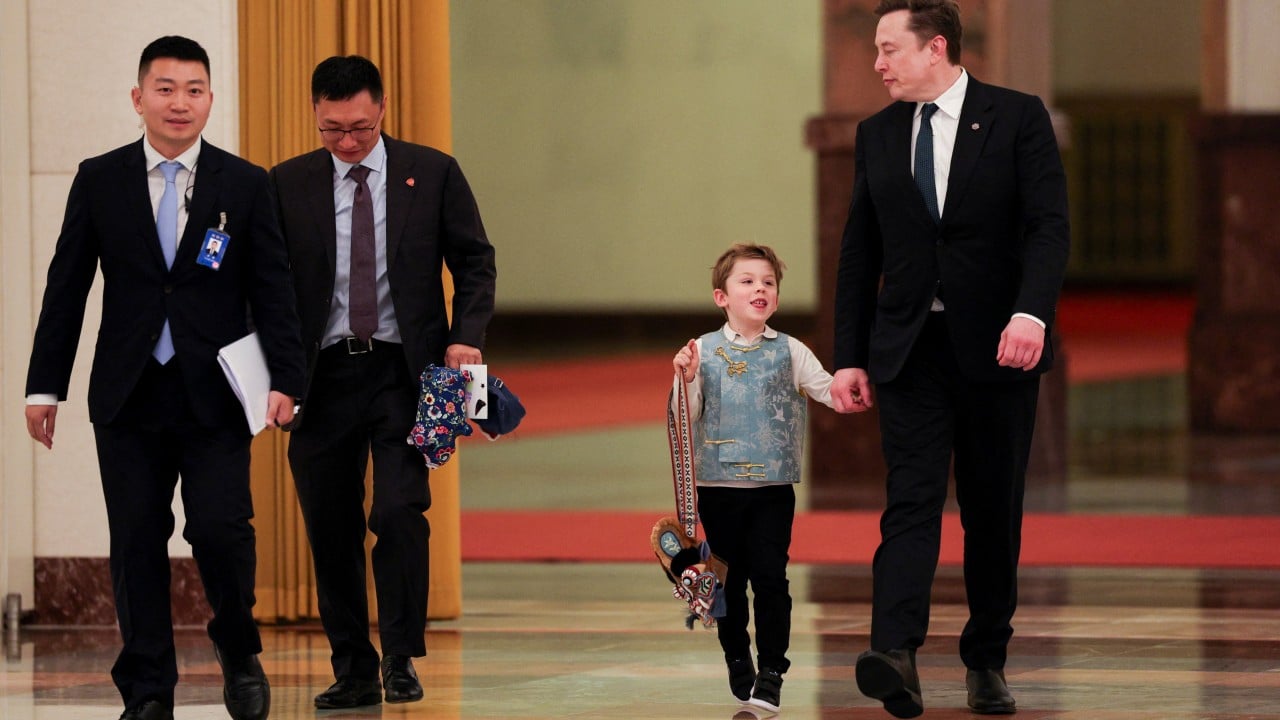
 More than 7,000 pieces of the bag, priced at 398 yuan each, had been sold so far, according to its producer, inspiring others to try to cash in on China’s cultural icons.
“This success introduced our brand to more consumers, showing that traditional cultural elements can be youthful, cute and fit for daily life,” said He Jiliang, partner at Yestee (Ya Xiaoqi) Handmade. “Sales for hats, mobile phone bags and other accessories have also been lifted.”
The firm, based in Guilin city, in China’s southern Guangxi Zhuang autonomous region, produces the viral bag using complex techniques and heavy handwork – each piece takes a week to make. Yestee has operated an online store for 19 years on Taobao.
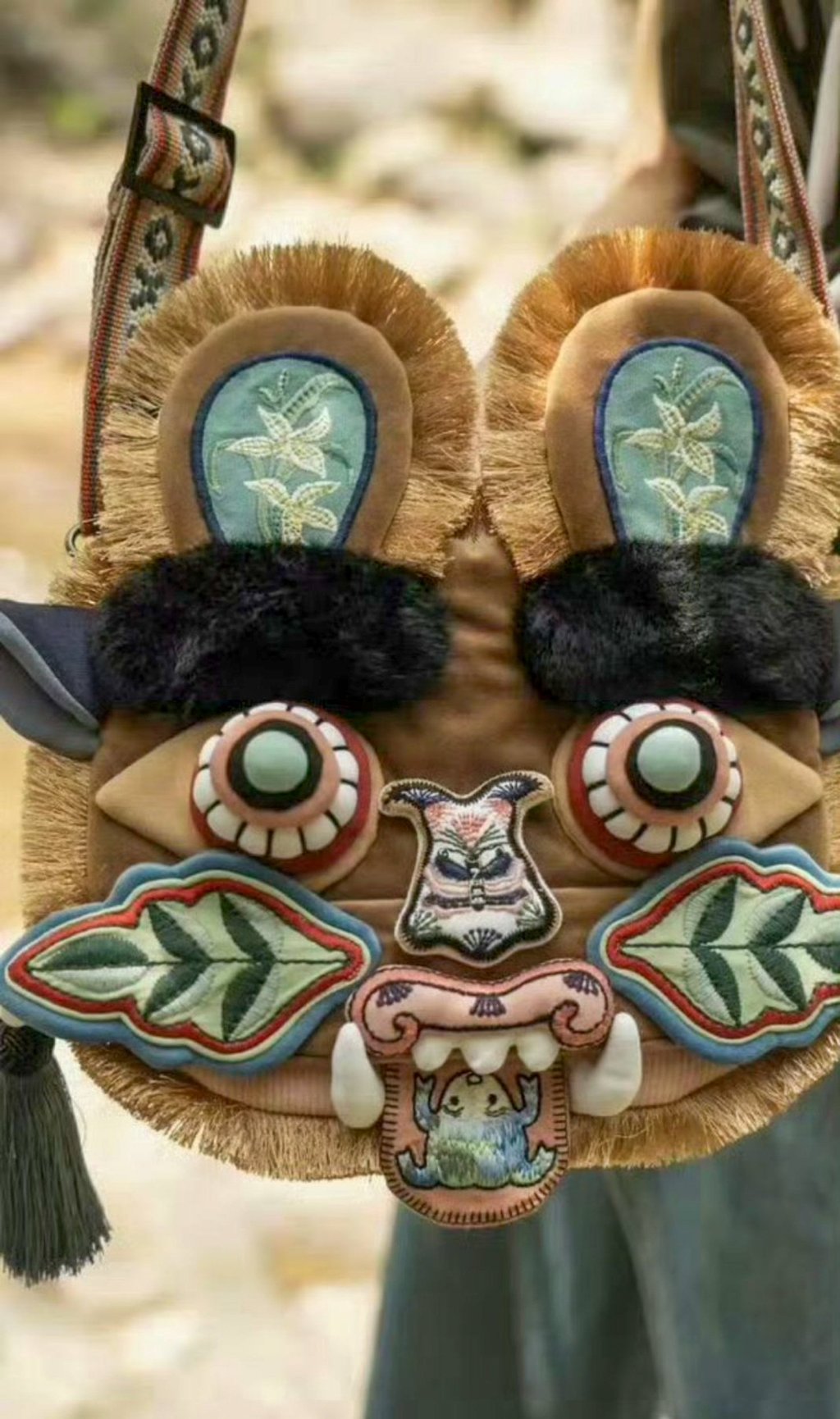
“We hope to turn traditional cultural icons like lion dances, dragon dances, tiger heads and Peking Opera into products favoured by young people for daily use and sharing,” He said.
Don't Miss:
-
China urges ‘constructive dialogue’ with EU in high-level call with France
-
Hong Kong airport builds third runway with strategy to help marine environment thrive
-
Cambodia, Thailand take US$300 billion seabed dispute to UN
-
Hong Kong visitor arrivals hit post-pandemic monthly high in August
-
Indonesian finance minister found out about his firing in mid-meeting phone call