
 From Iran to China: An Emerging Trans-Central Asian Corridor
  New documents show how a retail chain’s sales practices helped put guns on US streets
  Singapore a battleground of commodities fraud lawsuits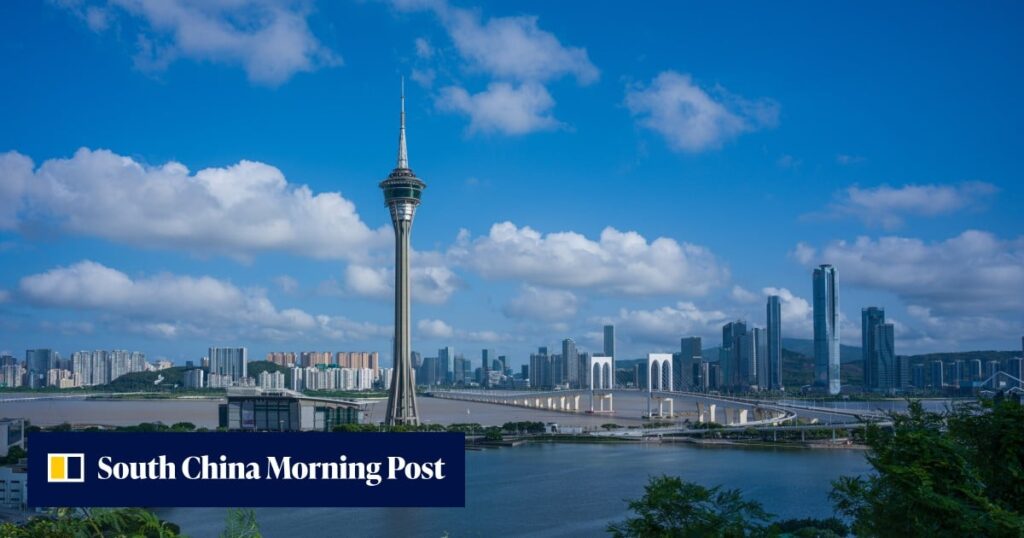
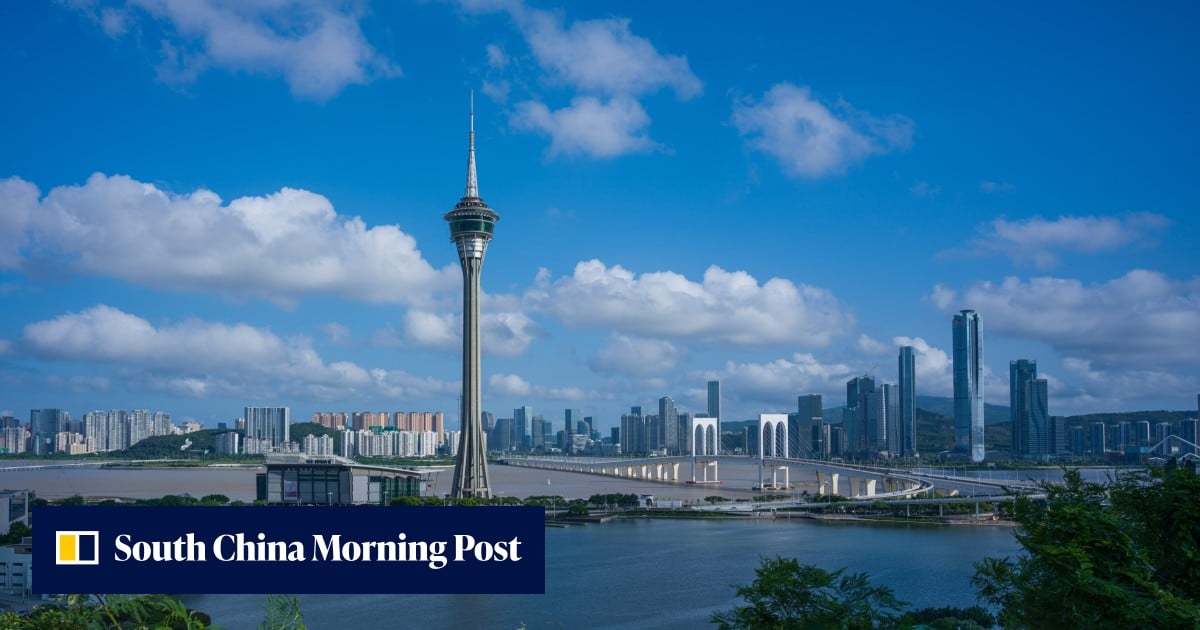
Macau has unveiled a sweeping five-year strategic blueprint to break its long-standing dependence on casino revenues by pivoting towards modern financial services, digital currency adoption and deeper economic integration with mainland China.
Under its third five-year plan for economic and social development, released on Tuesday, the gambling hub aims to boost the added value of non-gaming industries to about 60 per cent of gross domestic product by 2030, up from 56.7 per cent in 2024.
Gaming remains the bedrock of the local economy, generating MOP$67.9 billion (US$8.4 billion) – or more than 80 per cent of Macau’s total public revenue – in the first seven months of the year. But authorities are pushing to lay stronger foundations for a more diversified growth model.
The policy document outlined four flagship infrastructure projects and a new government-backed fund designed to accelerate growth across priority non-casino sectors, including modern finance, healthcare, advanced technology and the convention industry.
As part of its financial modernisation push, the road map emphasised digital currency adoption and cross-border payment systems. According to the document, Macau would press ahead with legislation and controlled trials for its official digital currency, the “e-MOP”, while establishing a unified settlement system.
Don't Miss:
-
John Lee promises ‘high-quality’ experience for Apec finance meeting guests
-
John Lee urges public to tune in to Legco debate on city’s 5-year plan, policy address
-
Hong Kong prepares reforms, accountability measures ahead of Tai Po fire report
-
Turkmenistan grows its arsenal of Chinese air defences as Russia’s role shrinks
-
India sizes up US F-35 stealth jets in landmark first on home turf