
 When Great Powers Talk, Who Speaks for Asia
  About the China Capital investigation
  Frequently asked questions about the China Capital investigation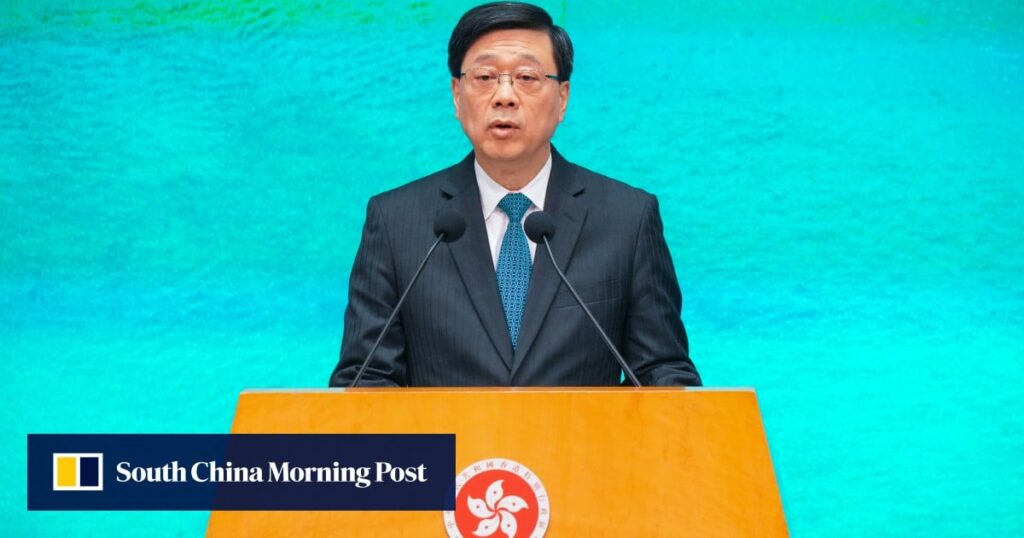
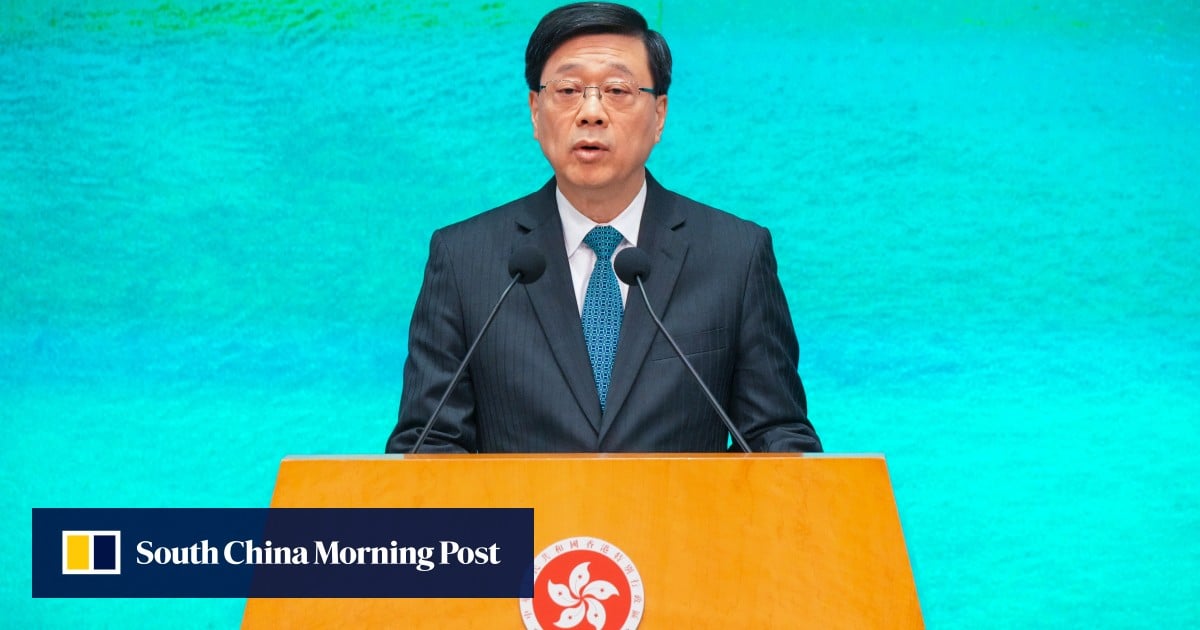
Hong Kong’s leader has pledged to exercise prudence and seriousness when defining national security offences under newly proposed legislation, dismissing concerns about a centralisation of power and stressing that the process often involves “state players” and highly sensitive information.
Chief Executive John Lee Ka-chiu also said on Tuesday that the subsidiary legislation, which introduces a classification mechanism for “other offences endangering national security” under the city’s domestic national security law, would bring greater clarity to the administration of justice.
Under the proposed law, any case accompanied by a certificate from the chief executive confirming it involves national security would be subject to all investigation, detention and trial procedures applicable to such offences, including stricter bail conditions and trials before designated judges.
Advertisement
Asked whether the move represented a further centralisation of power in the chief executive’s hands, Lee said activities endangering national security often involved sensitive information and that the city’s leader therefore bore a “special responsibility” under the Basic Law, the city’s mini-constitution, and national security laws to safeguard national security.
“We have to understand that a lot of endangering national security activities are committed by state players from another place. They are professional, sophisticated,” Lee said before the top decision-making Executive Council meeting.
Advertisement
“Information that may be available to indicate the series of matters to the chief executive is privy. A lot of this information is sensitive and not suitable for public disclosure.
Don't Miss:
-
China urges ‘constructive dialogue’ with EU in high-level call with France
-
Hong Kong airport builds third runway with strategy to help marine environment thrive
-
Cambodia, Thailand take US$300 billion seabed dispute to UN
-
Hong Kong visitor arrivals hit post-pandemic monthly high in August
-
Indonesian finance minister found out about his firing in mid-meeting phone call