
 From Iran to China: An Emerging Trans-Central Asian Corridor
  New documents show how a retail chain’s sales practices helped put guns on US streets
  Singapore a battleground of commodities fraud lawsuits
 Mariko was a teenager the day she found herself alone in a near-empty carriage with a man who sat across from her, exposed himself and began to masturbate.
Terrified that fleeing or crying out might provoke something worse, she fixed her gaze elsewhere and waited for the next station.
“There was nothing I could do,” said Mariko, now 33, who asked that her family name not be published. “I was terrified that he might attack me, so I kept quiet.”
Advertisement
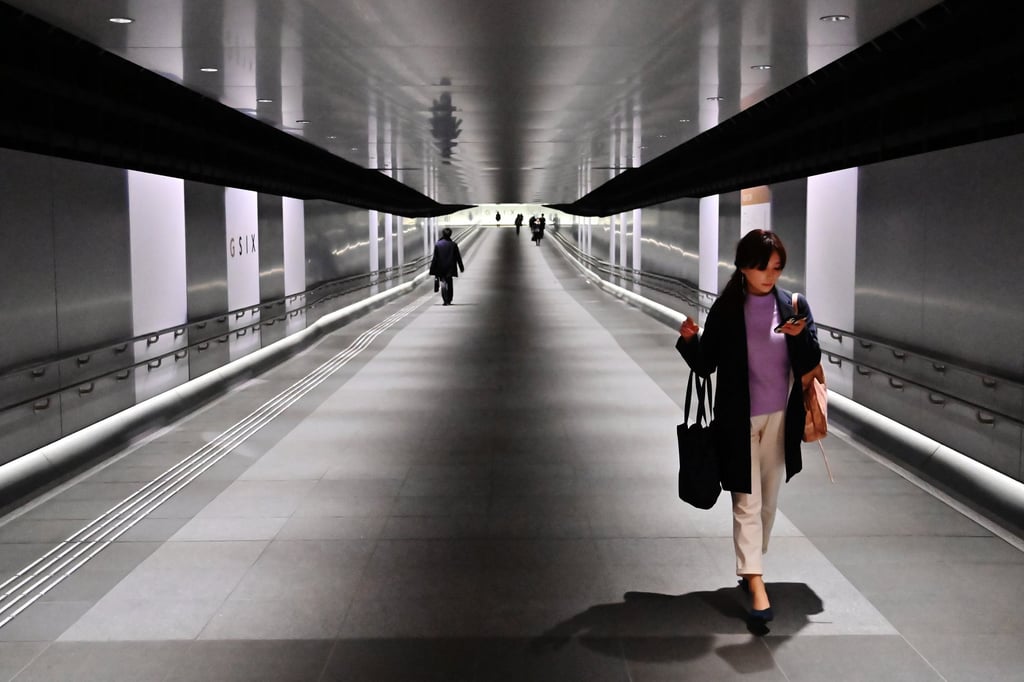
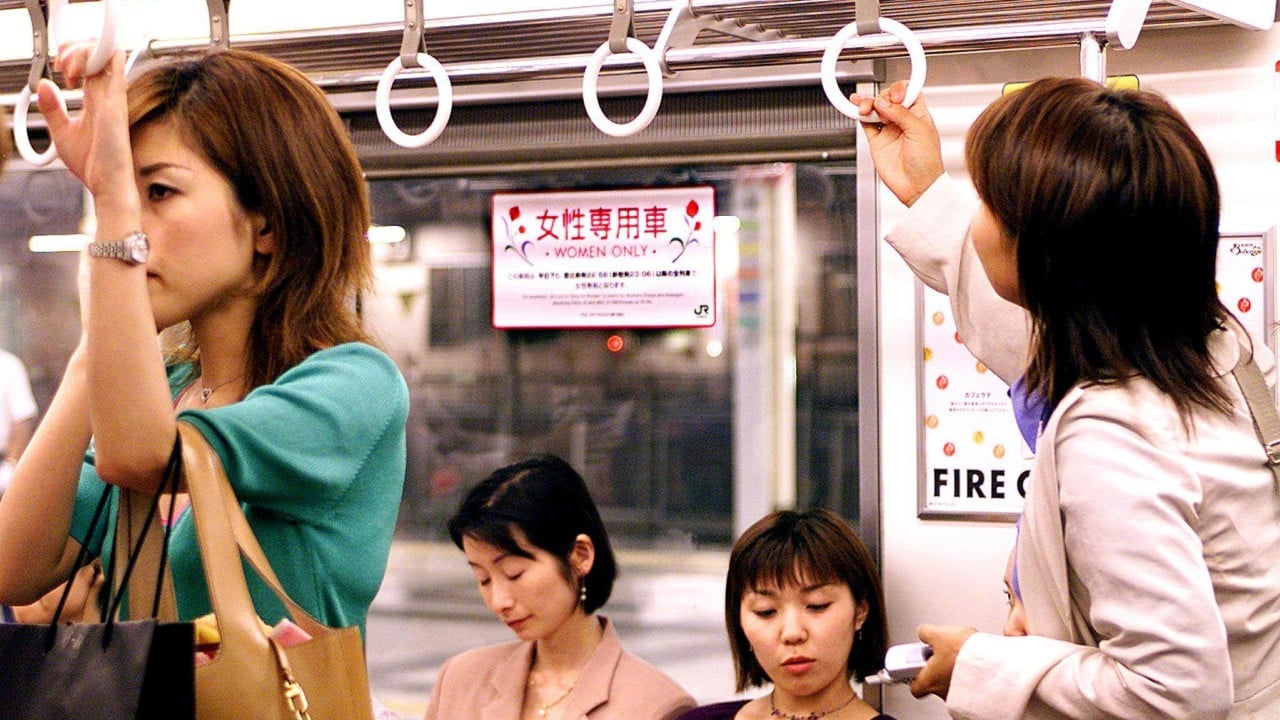
This year marks the 25th anniversary of the formal reintroduction of women-only carriages on Japan’s rail network – they were previously a feature in the post-war period before being discontinued in 1973 in favour of priority seating – and the Mainichi newspaper chose the occasion to ask aloud, on June 5, whether they are still necessary.
Advertisement
Don't Miss:
-
Hong Kong approves average fee hikes of up to 4.75 per cent for non-public schools
-
4 Indonesian seamen kidnapped by Somali pirates return home
-
UK police arrest seventh man linked to security incident at US-run airbase
-
Iván Cazarín Molina, alias “El Tanque”, Alleged CJNG Operator Active in Several States, Arrested
-
Iceland is ‘critical outpost’ for security, Rubio says during visit