
 When Great Powers Talk, Who Speaks for Asia
  About the China Capital investigation
  Frequently asked questions about the China Capital investigation
 On a clear summer morning at Mount Fuji’s fifth-station trailhead, the crowds look more beach ready than alpine prepared with canvas slip-ons, bare legs and lightweight jackets.
For Tatsuo Nanai, a veteran climber and until recently secretary general of the Fuji‑san Club, the scene has become a source of dread.
Japan’s official climbing season has only just begun, but he says he is already “very worried” about the number of people who will need rescuing – and the lives that will be lost – before the trails close again in mid-September.
“Too many people underestimate Mount Fuji,” Nanai told This Week in Asia. “For anyone who takes it lightly, it can be very dangerous.”
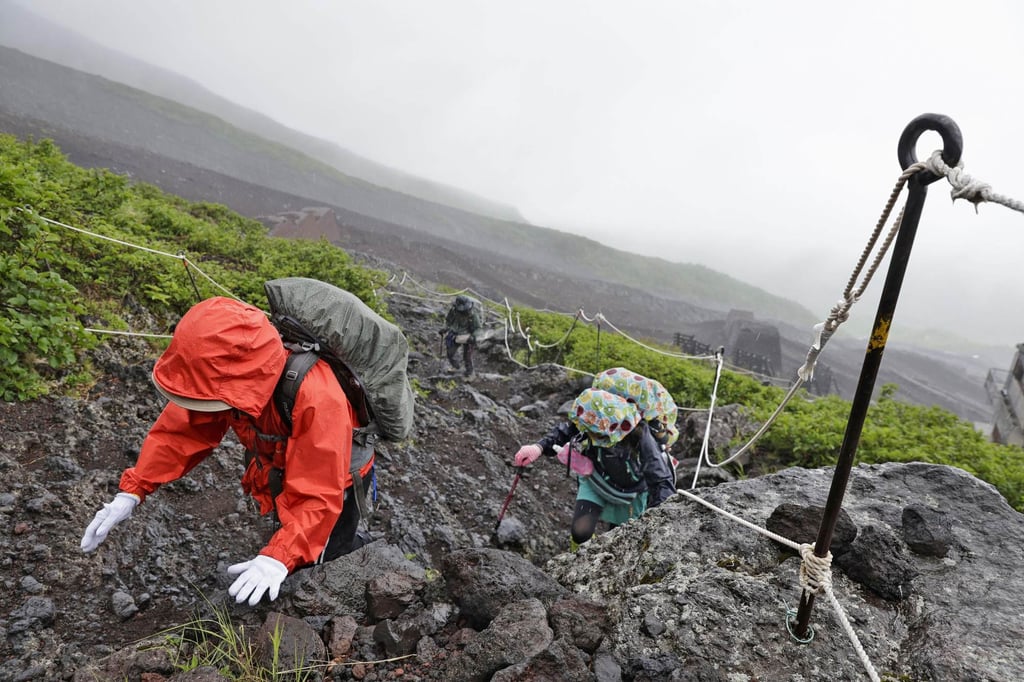
Last year, Japan recorded a new high in mountain emergencies, with 3,623 people having to be rescued and 332 deaths, according to National Police Agency data.

Don't Miss:
-
China urges ‘constructive dialogue’ with EU in high-level call with France
-
Hong Kong airport builds third runway with strategy to help marine environment thrive
-
Cambodia, Thailand take US$300 billion seabed dispute to UN
-
Hong Kong visitor arrivals hit post-pandemic monthly high in August
-
Indonesian finance minister found out about his firing in mid-meeting phone call