
 Manila’s EV ambitions confront economic and energy realities
  Tunisian court dismisses case to dissolve publisher of ICIJ partner Inkyfada
  Prabowo Faces Growing Discontent as Jokowi Revives His Political Ambitions
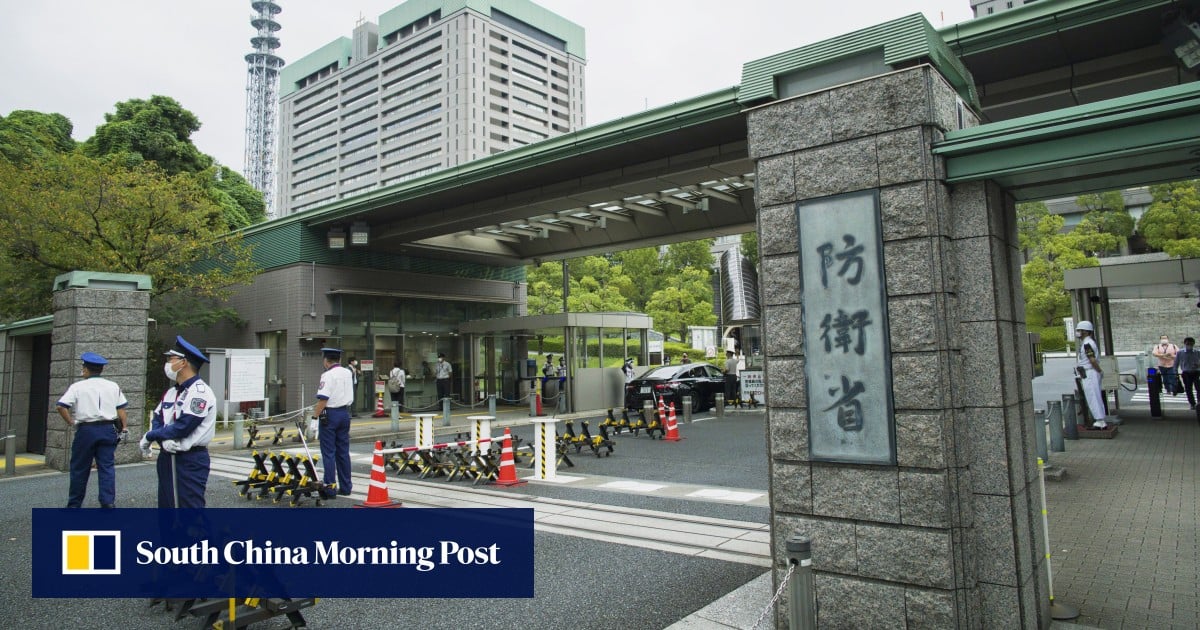
The New York Times reported on Sunday that Moscow’s agents were taking advantage of Tokyo’s failure to enact a law specifically designed to combat espionage and the large number of companies manufacturing components critical to the Kremlin’s war machine.
The coveted parts include microchips, transmitters and the cutting-edge machinery required to make advanced weapons systems.
The report identified Maksim Vladimirovich Filchenkov, ostensibly an employee of Russian airline Aeroflot, as leading the operation in Japan.
James Brown, a professor of international relations specialising in Russian affairs at Temple University’s Tokyo campus, told This Week in Asia that what stood out in the report was how the alleged spy was unmasked, suggesting it could have been a tip-off from a foreign intelligence agency.
“There have been no direct flights to Russia for the last four years, so what was he doing here?” said Brown, author of the 2025 book Cracking the Crab: Russian espionage against Japan, from Peter the Great to Richard Sorge.
Don't Miss:
-
Explosives Workshop Raided after Shootout in Balleza, Chihuahua
-
The Eccentric Extravagances of “Captain Sol”: 12 Properties, a Penthouse in Tulum, and Casino Spending
-
Fight at Mazatlán Prison Leaves 10 Dead: A 2-Year-Old Boy Died During a Family Visit
-
Veracruz Mafia vs. CJNG: The Fight for Veracruz
-
Former Michoacán Official Used AI for Extortion: Here’s How They Cloned the Voices of Politicians and Ministers