
 Manila’s EV ambitions confront economic and energy realities
  Tunisian court dismisses case to dissolve publisher of ICIJ partner Inkyfada
  Prabowo Faces Growing Discontent as Jokowi Revives His Political Ambitions
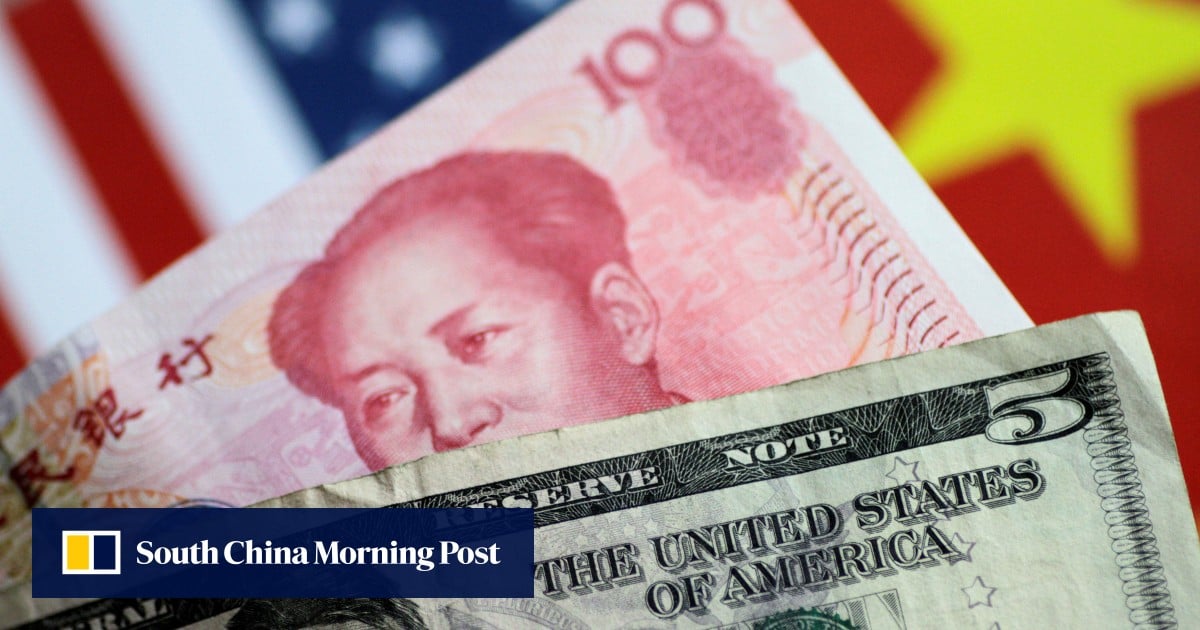
With central banks prioritising domestic objectives, Plaza Accord-style exchange-rate coordination is now out of reach despite growing concerns over the dollar-centred monetary system, complicating the smooth transition to a more multipolar international monetary system, according to a prominent economic historian.
Barry Eichengreen, a former senior policy adviser at the International Monetary Fund, said that if erratic US policies and weakening institutional guard rails were to persist for another decade, the probability of an abrupt crisis of confidence in the US dollar would exceed 50 per cent.
Eichengreen, now a professor of economics and political science at the University of California, Berkeley, said he favoured a more multipolar international monetary system that “better matches the multipolar nature” of the current global economy. Still, he argued that such a transition would be far more difficult to coordinate than in the past. Eichengreen’s 1996 book, Globalizing Capital, is widely considered the definitive history of the international monetary system.
Central banks, with “very different views of what appropriate policy is”, were primarily mandated to pursue domestic objectives such as price stability and employment, leaving little scope for large-scale accord-style coordination, he noted.
Stability … and a very gradual transition are in everyone’s interest

Don't Miss:
-
Explosives Workshop Raided after Shootout in Balleza, Chihuahua
-
The Eccentric Extravagances of “Captain Sol”: 12 Properties, a Penthouse in Tulum, and Casino Spending
-
Fight at Mazatlán Prison Leaves 10 Dead: A 2-Year-Old Boy Died During a Family Visit
-
Veracruz Mafia vs. CJNG: The Fight for Veracruz
-
Former Michoacán Official Used AI for Extortion: Here’s How They Cloned the Voices of Politicians and Ministers