
 How Real Is the US Withdrawal from the Middle East?
  From Iran to China: An Emerging Trans-Central Asian Corridor
  New documents show how a retail chain’s sales practices helped put guns on US streets
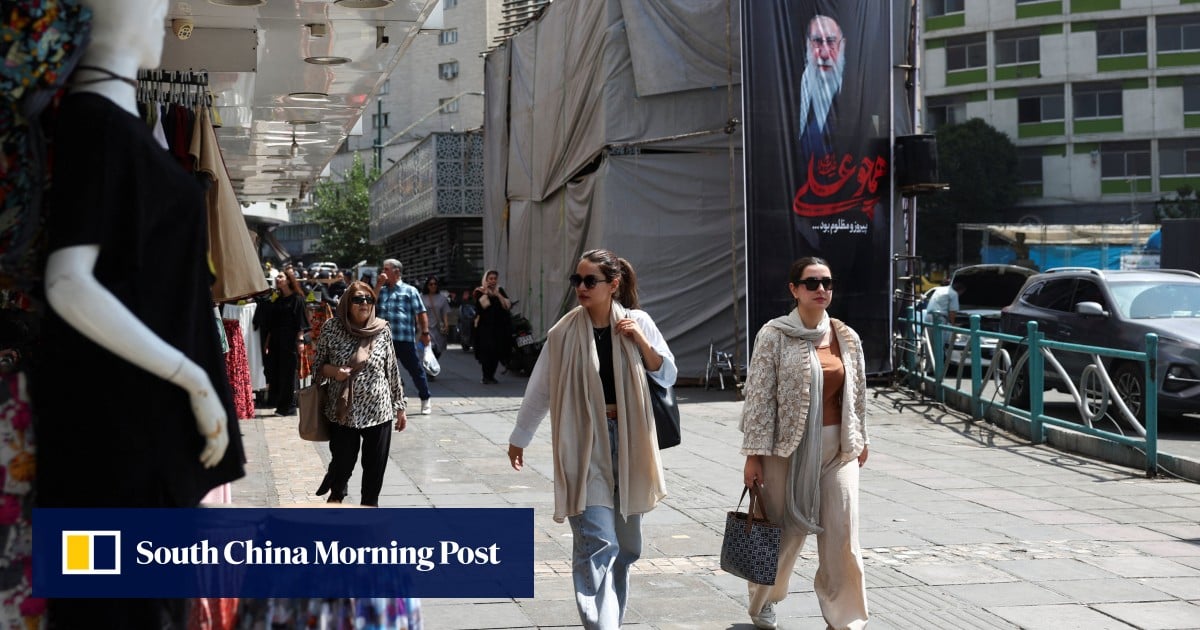
More than three months of US and Israeli air strikes, and a blockade of Iranian ports, have poured new misery on a people already toiling under years of sanctions.
Although the war is over – for now – Iranians are still watching their spending carefully. Few of the supporters and opponents of the Islamic Republic interviewed this week said they believed better times were coming soon.
Advertisement
Some think economic anger could prompt new waves of protest against the government. Others expect a renewed crackdown similar to the bloody suppression during the last wave of mass demonstrations in January.
And with any more lasting agreement pushed back for further talks, there is little certainty among them that the deal intended to end the war will survive the summer.
Advertisement
“I think 99 per cent of people are in survival mode and just living day by day. I don’t think anybody has any hopes any more. I don’t think anybody has any visions of what the future might look like,” said Amir, 34, a media production company owner in Isfahan in central Iran.
Don't Miss:
-
Hong Kong finance chief says economy grew in third quarter, warns of external risks
-
Despite rising yields and political gridlock, France not facing a debt crisis: analysts
-
Nobel Chemistry Prize awarded to Henri B. Kagan and Kenso Soai
-
Ex-Buddhist monk who founded Thai Aids hospice convicted of embezzlement
-
Nasa releases striking image of dawn on Mars