
 Statement on missing ICIJ journalist Micah Reddy
  TRANSCRIPT: ‘China Retains Levers for Long-Term Territorial Ambitions’
  On Indonesia’s new oligarchy, China’s state bank, and other stories | Asia Sentinel Stories of the Week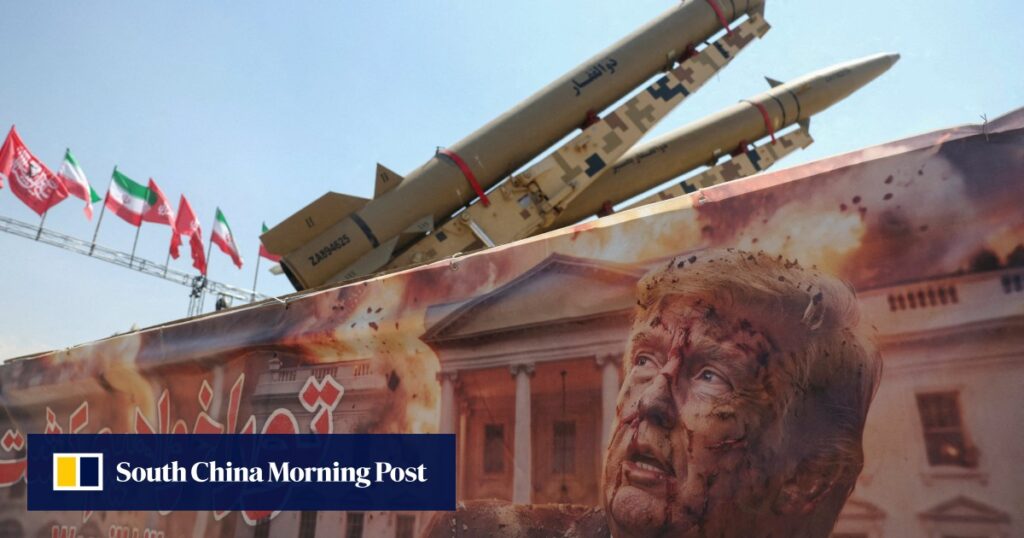
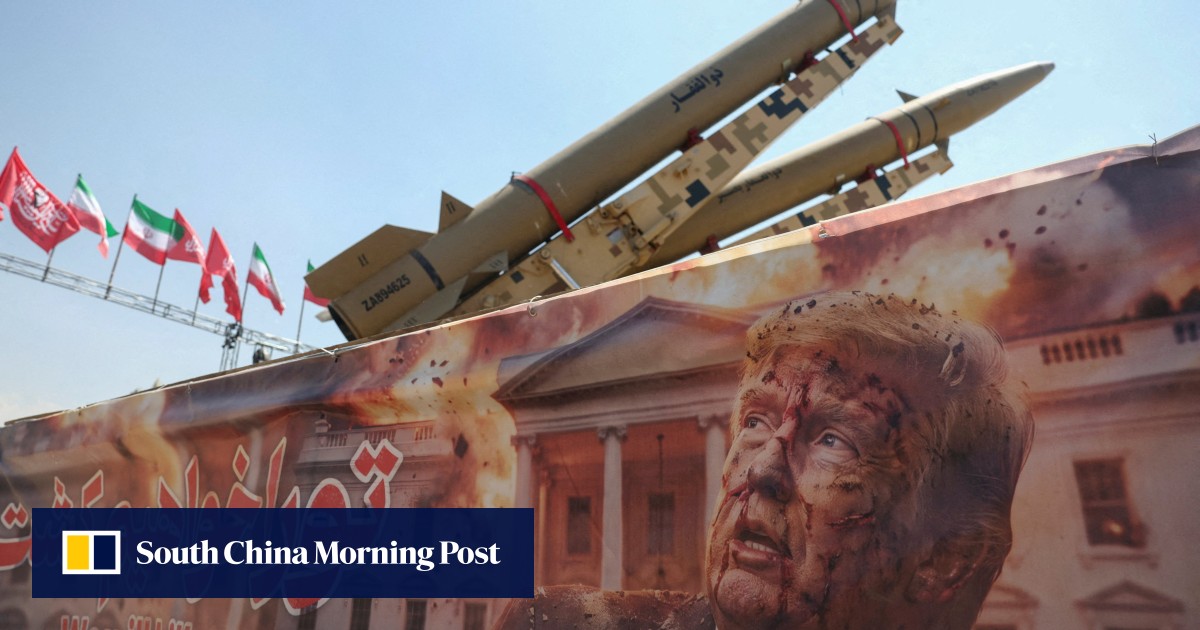
With the US-Israel war on Iran entering its sixth month, Chinese policymakers have a multitude of questions weighing on their minds, with two proving particularly thorny according to a prominent economist: how much longer the conflict might last, and whether it will necessitate adjustments to previous plans.
While the continuing impact on China might remain “small”, said Mao Zhenhua – co-director of Renmin University’s Institute of Economic Research and a professor at the University of Hong Kong’s Business School – the war could still alter the calculus of Beijing’s macroeconomic management and push it to better tackle existing, internal woes.
“With the war dragging on, there is spillover on everyone, but China will still probably be facing the smallest impact [compared with other major economies],” Mao said recently in Hong Kong.
He stressed, however, that Beijing was not taking the conflict lightly.
“For the remainder of the year, Beijing will give more weight to countering upheavals and stopping external factors from complicating the situation at home,” Mao said.
Even though China’s economic growth had slowed in the second quarter of the year, the country possessed the resilience and capacity to blunt more challenges, Mao said, because it had withstood the war’s initial shocks better than many others.
Don't Miss:
-
Thousands march in France against ‘licence to kill’ draft law
-
Germany’s Merz vows to press ahead with reforms after historic state election defeat
-
UK’s Burnham congratulates Trump and Danish PM on Greenland deal
-
Italy’s Meloni plans to ban burkas, niqabs in schools and cap foreign pupils in classrooms
-
US, China seek Xi-Trump summit deliverables in New York talks