
 Five years after the Pandora Papers, transparency laws lose their teeth
  How Hungary’s richest man funneled millions into Orbán’s propaganda machine
  How Real Is the US Withdrawal from the Middle East?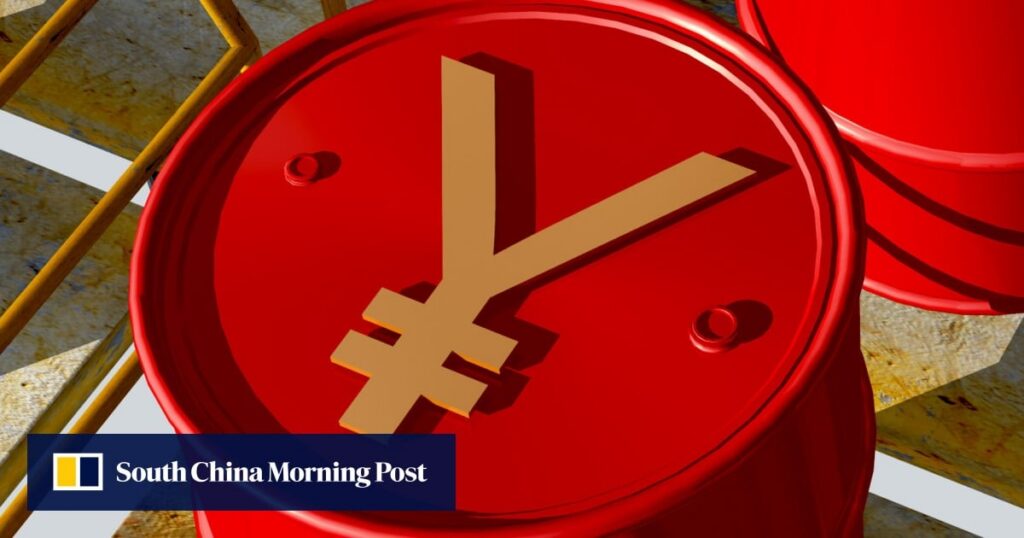
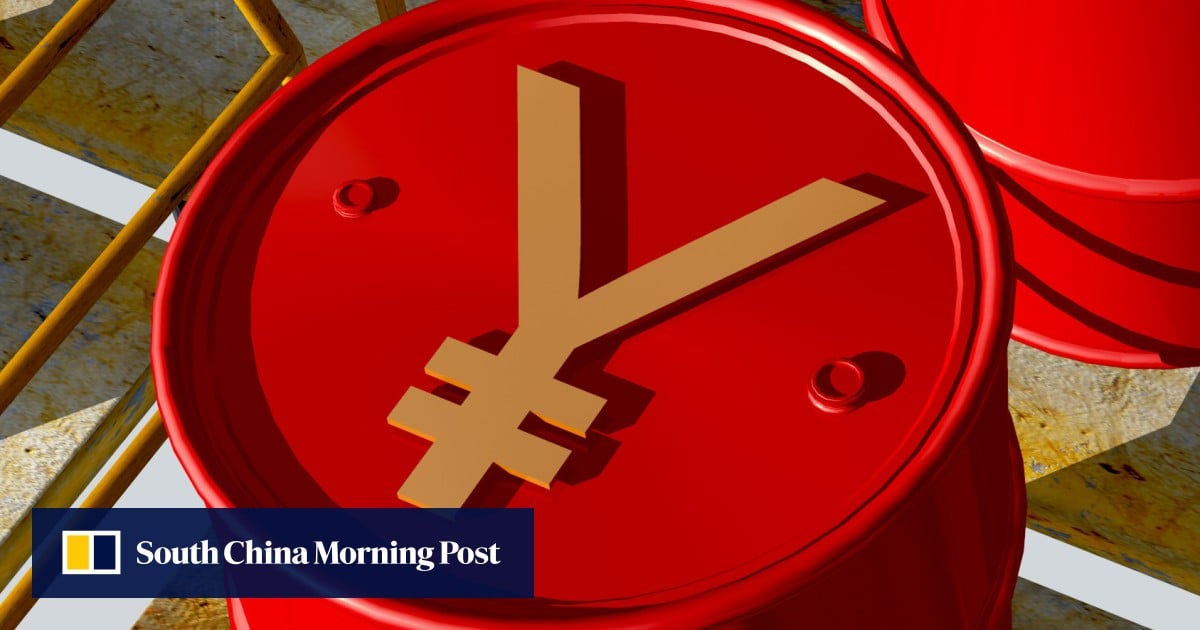
Fallout from the nearly month-long conflict was testing the “foundations of the petrodollar regime”, while damage to Gulf economies “could encourage an unwind in their foreign asset savings”, Deutsche Bank analysts said in a research note published on Tuesday.
“If the Gulf moves closer to Asia in its trade and investment relationships and eventually prices less oil in dollars, there could be significant downstream effects to the dollar’s usage in global trade and savings,” they added.
Advertisement
Most globally traded oil is priced and invoiced in US dollars under a system dating back to the 1974 petrodollar pact. Under that deal, Saudi Arabia agreed to price oil in the American currency and invest surpluses in US dollar assets in exchange for security guarantees.
This arrangement helped dollarise global value chains, given oil’s central role in global manufacturing and transport, the analysts said.
Advertisement
But pressures on that system have grown in recent years. Sanctioned Russian and Iranian oil already trades in non-dollar units, and Saudi Arabia has experimented with non-dollar payments for infrastructure projects, the Deutsche Bank analysts said.
Don't Miss:
-
Two Years On, the Sinaloa Cartel War Changes Shape | The InSight Take
-
US wraps up military mission in Iraq, giving Baghdad room to strengthen China ties
-
As China and the EU begin crunch trade talks, optimism is in short supply
-
Data centre opposition is growing in Australia. Is there a middle ground?
-
Helper arrested for allegedly slapping 5-year-old boy after he refuses to eat