
 School shootings in the Philippines put gun access under scrutiny
  Statement on missing ICIJ journalist Micah Reddy
  TRANSCRIPT: ‘China Retains Levers for Long-Term Territorial Ambitions’
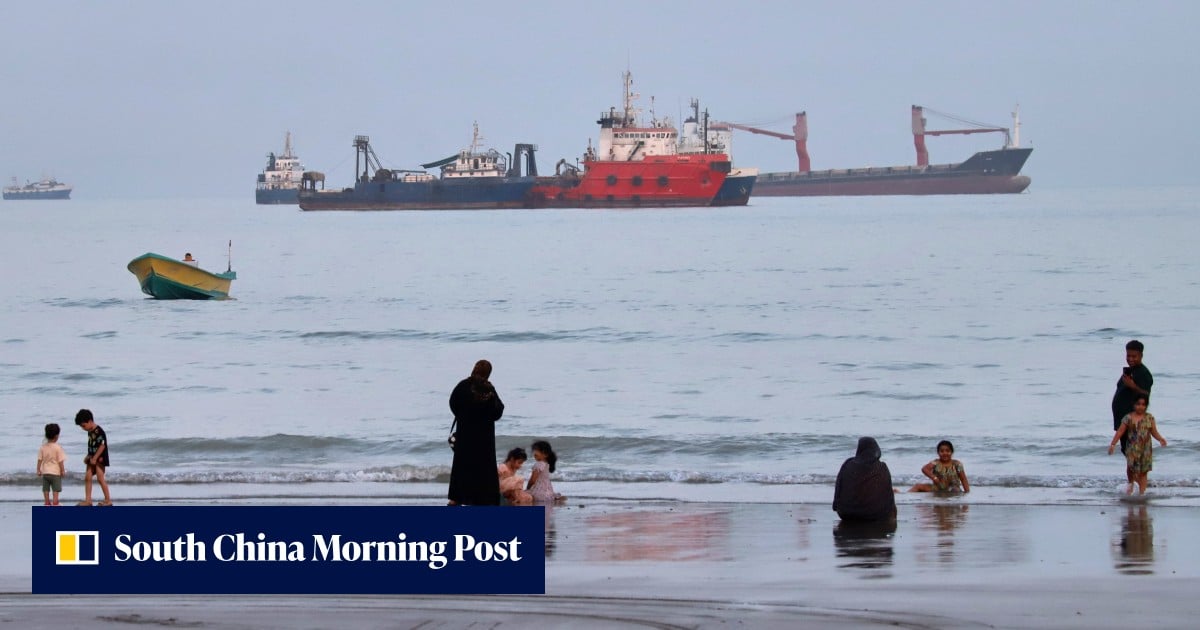
Iran will seek to bar US and Israeli ships from the Strait of Hormuz and require compensation from hostile countries before they are allowed to use it, according to local media reports on a proposed Iran-Oman deal to manage the crucial waterway.
The agreement has become key to expectations for a reopening of Hormuz and a resumption of energy flows that have been throttled since the US and Israel attacked Iran in February.
The text is now under review in Iran’s parliament, the semi-official Fars news agency said. Fars reported other details including a proposed ban on cargo related to Israel, and a fee structure covering services like insurance and environmental costs.
“That’s clearly not going to go down well in Washington,” said Thomas Warrick, a former US
State Department official who is now a non-resident senior fellow at the Atlantic Council. “Instead of both sides making concessions, both sides are increasing demands.”
Separately, Fars said on Thursday Iranian naval forces had struck “hostile targets” at the entrance to the Strait of Hormuz, citing an unnamed source and without giving additional details. Oil prices climbed and stocks fell on Thursday’s developments.
Don't Miss:
-
Singapore nets US$862,000 from first auction in money laundering case
-
Japan asks for US$43 million to weed out cherry tree-devouring longhorn beetle
-
3 stray mongrels captured after cyclist dies in suspected dog attack
-
Philippine tribe vows to stand ground against US-led Pax Silica: ‘listen to us’
-
Chinese woman in her 70s wakes up in coffin before dying for good 2 days later