
 Questions swirl around US plans for record $15B Prince Group crypto seizure
  Donate to ICIJ
  Chelsea FC fined millions over secret payments under Abramovich ownership
The role of Israel’s hijacking of Iran’s street cameras in the killing of the country’s supreme leader underscores how surveillance systems are increasingly being targeted by adversaries in wartime.
Hundreds of millions of cameras have been installed above shops, in homes and on street corners across the world, many connected to the internet and poorly secured.
Recent advances in artificial intelligence have enabled militaries and intelligence agencies to sift through vast amounts of surveillance footage and identify targets.
Advertisement
On February 28, Israel vividly showed the potential of such systems to be hacked and used against adversaries when Israel tracked down Iranian leader Ayatollah Ali Khamenei with the help of Tehran’s own street cameras, despite repeated warnings that Iran’s surveillance systems had been compromised, according to interviews and an Associated Press (AP) review of leaked data, public statements and news reports.
The use of hacked surveillance cameras among other intelligence, in the operation to kill Khamenei was described to AP by an intelligence official with knowledge of the operation and another person who was briefed on the operation.
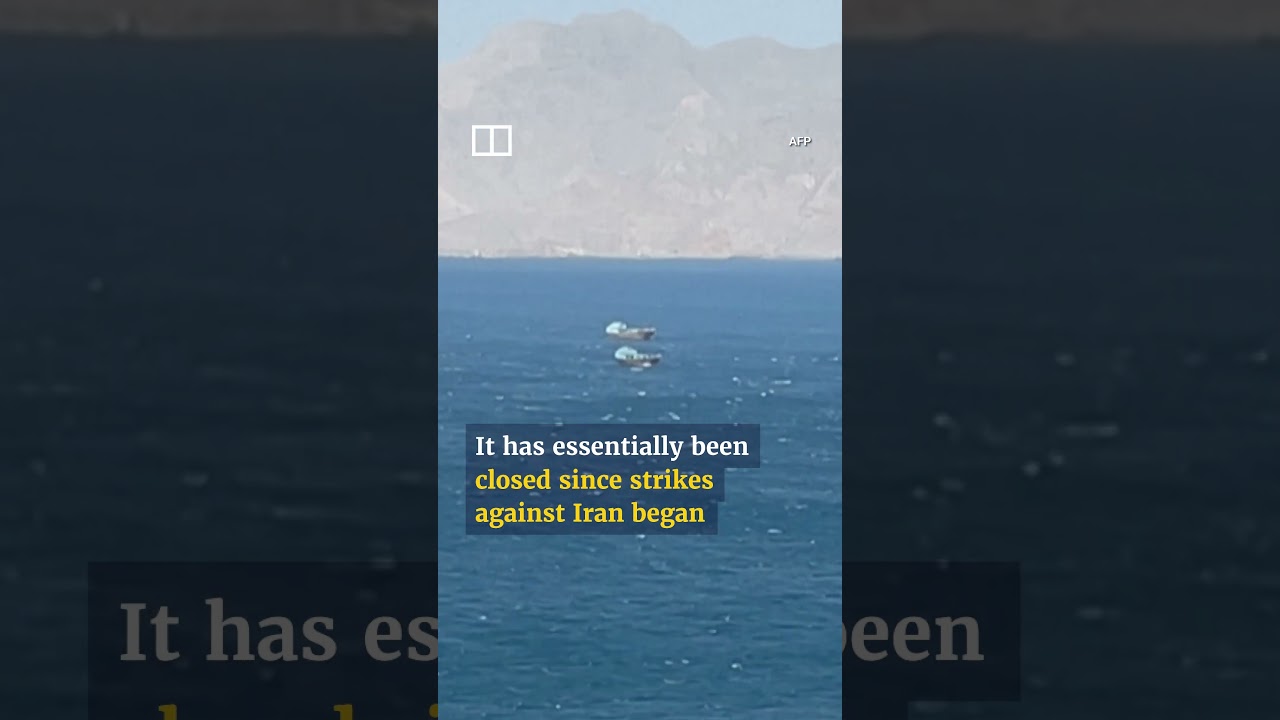
01:34
Trump tells Iran to reopen Strait of Hormuz by late Monday GMT or face major assault
Trump tells Iran to reopen Strait of Hormuz by late Monday GMT or face major assault
Neither was authorised to speak with the media and both shared information on condition of anonymity.
Advertisement

Don't Miss:
-
Italian voters reject judicial reform in a setback for PM Giorgia Meloni
-
A Living Tradition: Gewandhausorchester Leipzig in Hong Kong
-
What if US ground forces march into Iran? Chinese experts weigh the risks
-
Hong Kong raises Iran, Israel travel alerts to black, expands amber warning
-
Non-local pupils could face HK$350,000 in fees at Hong Kong semi-private schools