
 Rick Claypool on Pay to Play Corporate Crime Enforcement
  Labaton Launches Whistleblower Practice with Former SEC Acting Chair Allison Herren Lee
  Kremlin payment firm A7 has been pumping billions in ‘untraceable’ cash into global financial system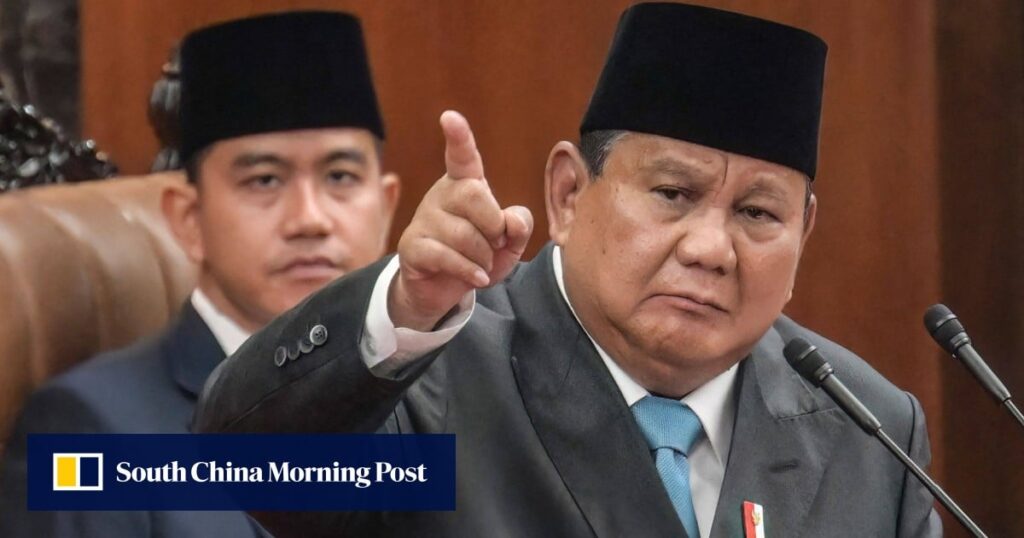
Advertisement
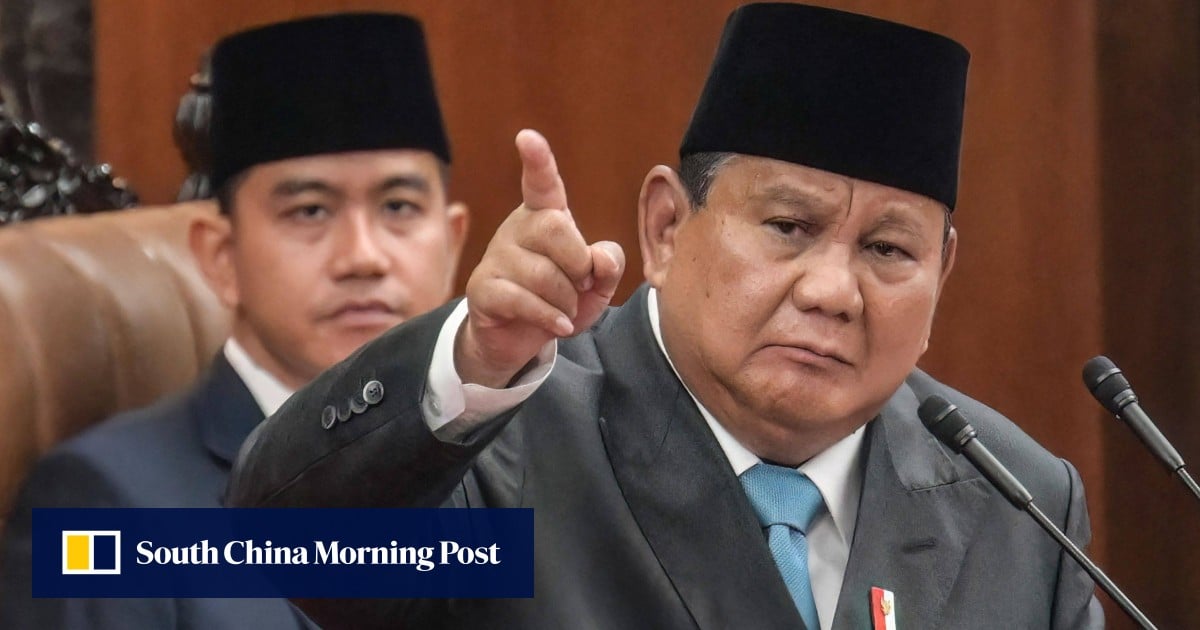
Prabowo framed the move as a necessary step to tackle under-invoicing, transfer pricing and other practices he said had drained money from Indonesia’s economy and weakened the state’s ability to fund public services.
But the plan has also triggered warnings from economists, farmers and industry groups, who say the shift could create a state monopoly, disrupt existing contracts and complicate Indonesia’s access to global markets.
Advertisement
“Over the past 22 years, Indonesia recorded a trade surplus of US$436 billion, but US$343 billion flowed out of the country. This is why teachers’ salaries remain low, why civil servants struggle, and why our budget often feels insufficient,” Prabowo said.
“One of the major causes is under-invoicing, a form of fraud. Some exporters deliberately report lower export values than the actual transaction value, often through overseas shell companies they control. This practice occurs in palm oil, mining, and many other commodities.”
Don't Miss:
-
A Total of 13 Mass Graves Have Been Found in Viesca Containing the Charred Remains of Men and Women
-
Jorge Luis Zambrano, alias “Rasquiña”
-
El Taliban Fell In Mazatlán… And What He Confessed Ties Everything Together
-
Inside the Camp at the Heart of Honduras’ Garífuna Land Struggle
-
This Is How the MataZetas Captured and Executed the Zetas