
 Rick Claypool on Pay to Play Corporate Crime Enforcement
  Labaton Launches Whistleblower Practice with Former SEC Acting Chair Allison Herren Lee
  Kremlin payment firm A7 has been pumping billions in ‘untraceable’ cash into global financial system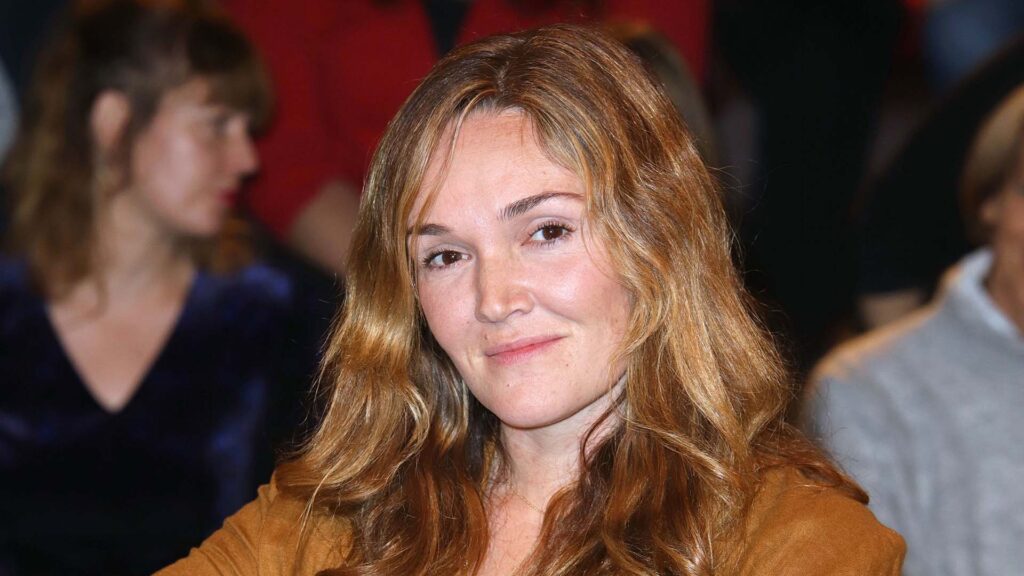
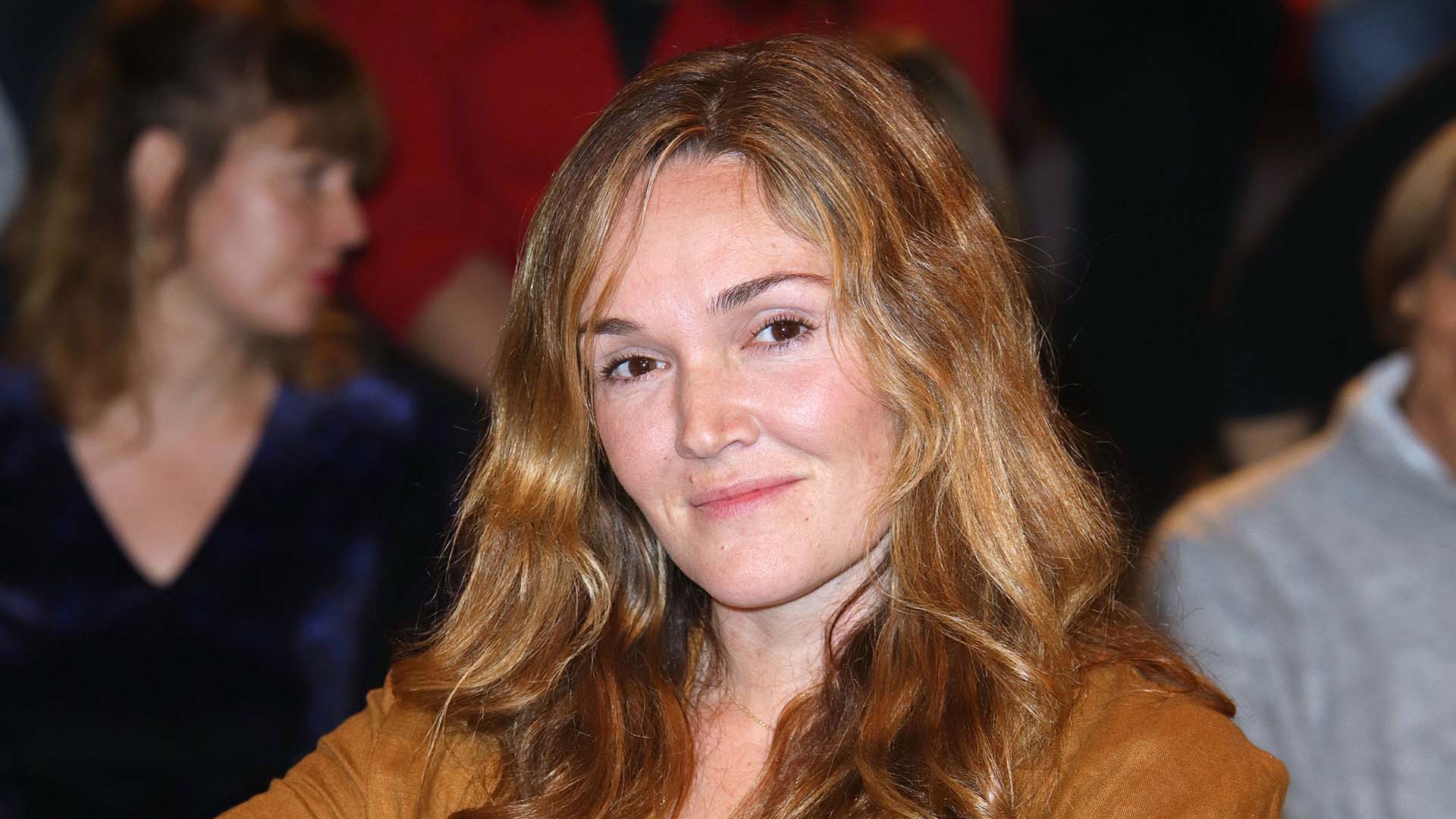
Amaryllis Fox Kennedy, a top Trump administration intelligence official and ally of Director of National Intelligence Tulsi Gabbard, is stepping down this week from two key administration posts.
The departure of Kennedy, a daughter-in-law of Health and Human Services Secretary Robert F. Kennedy Jr., is the latest in the senior echelons of national security agencies. Joe Kent, director of the National Counterterrorism Center, resigned in March, breaking with President Donald Trump over the war in Iran.
Five people familiar with the matter confirmed Kennedy’s plans. One of the people, who spoke on the condition of anonymity because Kennedy’s departure hasn’t been formally announced, said it involved, at least in part, her disagreement with Trump’s military involvement in Iran.
In a May 8 email reviewed by ICIJ media partner The Washington Post, Kennedy told colleagues she was leaving to return to the private sector. “Being a mom is God’s greatest gift, and after two years on the campaign trail and a year serving in this extraordinary Administration, I have to make sure my family has all it needs,” she wrote.
Kennedy made no mention of Iran in the email, which praised Trump. She indicated that this Friday would be her last day on the job.
Kennedy, a former CIA undercover officer, simultaneously has held three intelligence posts: a deputy to Gabbard at the Office of the Director of National Intelligence (ODNI); an associate director at the Office of Management and Budget overseeing classified intelligence budgets; and a member of the President’s Intelligence Advisory Board.
The fact that she has held three jobs, dealing with intelligence policy, budget and oversight, has raised eyebrows among some current and former U.S. officials.
Two people familiar with the matter said that Kennedy was involved in an effort this year to increase Trump’s budget request for the ODNI by 20 percent. It is unclear whether Congress will approve the funding.
Kennedy wrote in the email that she hopes to retain her position on the intelligence advisory board, which gives the president independent advice on the legality and effectiveness of U.S. spy programs. It is chaired by former congressman and longtime Trump ally Devin Nunes.
“We are grateful to Amaryllis Fox Kennedy for her leadership and exceptional service,” Gabbard said in a statement. “Under her leadership, we successfully aligned the Intelligence Community agencies with the Administration’s and ODNI’s goals, driving a unified approach to our mission.”
The White House did not immediately respond to a request for comment. Kennedy did not respond to requests for comment sent to an email address she has used.
With support from her father-in-law, Kennedy made a bid soon after Trump’s 2024 election to become deputy director of the CIA. But her candidacy failed after strong pushback from Republican senators worried she would impose disruptive changes at the spy agency.
Inside the administration, people familiar with her work said, Kennedy has focused on a medley of issues, including human espionage, East Asia — where she was stationed as a CIA officer more than a decade ago, according to her memoir — and the development of new technologies to support U.S. intelligence gathering and analysis.
She has kept a low profile, doing few media interviews. She told RealClearPolitics in March 2025 that her role at OMB was to rein in what she and others considered a security establishment that had been weaponized against Trump. Budgets, she said, are the best tool “to put the Leviathan on the chain.”
Gabbard’s office coordinates the 18 U.S. spy agencies but has few operational powers.
One of Kennedy’s projects has been to work with Gabbard on a national intelligence strategy, an unclassified document issued every few years by the ODNI that lays out the collection, analysis and operational objectives for the U.S. intelligence community.
Kennedy, the people familiar said, has also helped lead the push to declassify historical documents about the assassinations of President John F. Kennedy and Sen. Robert F. Kennedy — her father-in-law’s uncle and father — and Martin Luther King Jr.
Kennedy was present at a surprise visit last year by ODNI personnel to a CIA facility, where a team took control of classified documents about the assassinations and transferred them to the National Archives, according to a Reuters report.
Like Gabbard, Kennedy before taking office voiced strong views against U.S. military interventions overseas, including American support for Kyiv’s efforts to repel Russia’s 2022 full-scale invasion of Ukraine. Shortly before the 2024 presidential election, in an interview with host Tucker Carlson, she voiced opposition to a war with Iran like the one Trump began in February.
Another person familiar with her work said Kennedy is viewed within the administration as someone who was once a frequent outside critic of U.S. foreign policy but has struggled to be effective in the competitive and often backbiting environment of the Trump administration.
Among U.S. spy agencies, CIA Director John Ratcliffe and his team appear to have the most influence with Trump and his White House.
Gabbard and her office have not been central players in the major national security decisions of Trump’s second term, including military strikes on Iran in June 2025 and in February, and the January raid that seized Venezuelan President Nicolás Maduro.
This story was published in collaboration with The Washington Post.
Warren P. Strobel and Ellen Nakashima are reporters for The Washington Post. Noah Robertson and John Hudson contributed to this report.
Don't Miss:
-
Rick Claypool on Pay to Play Corporate Crime Enforcement
-
Labaton Launches Whistleblower Practice with Former SEC Acting Chair Allison Herren Lee
-
Kremlin payment firm A7 has been pumping billions in ‘untraceable’ cash into global financial system
-
New US law requires dating apps to include warnings on romance scams
-
Southeast Asia Welcomes Japanese Investment but not Soldiers