
 When Great Powers Talk, Who Speaks for Asia
  About the China Capital investigation
  Frequently asked questions about the China Capital investigation
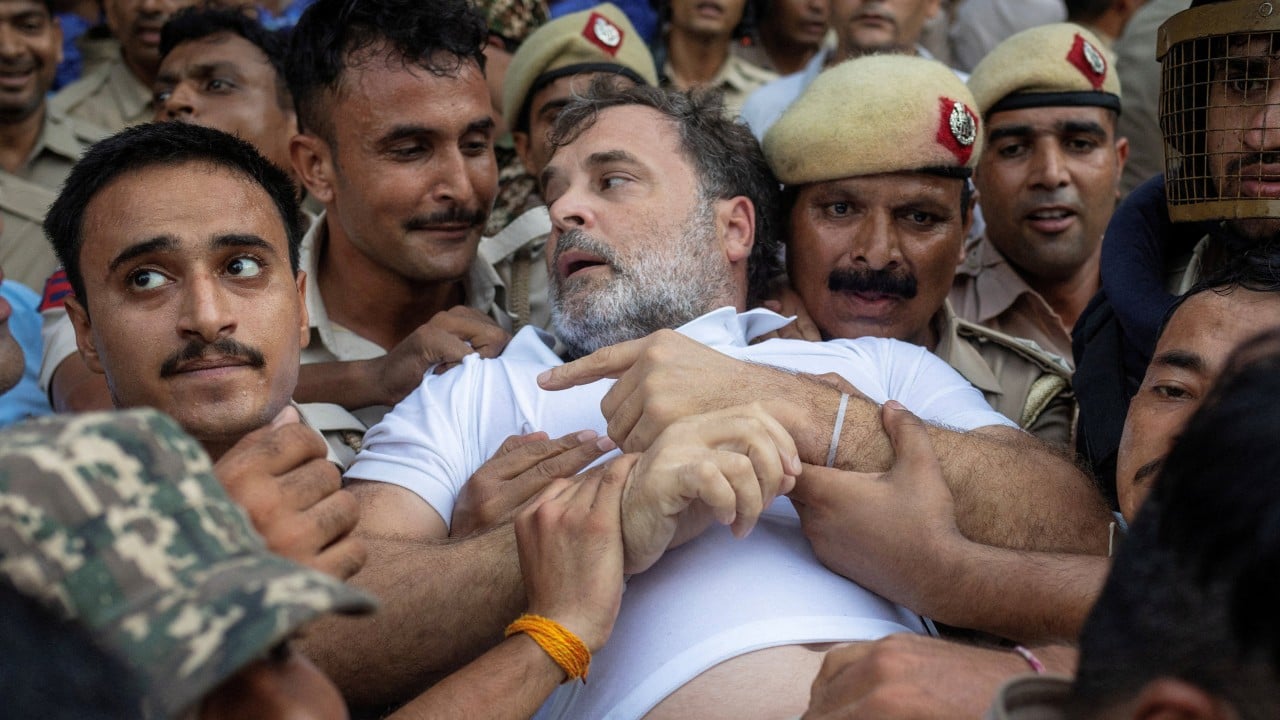
 The fast-growing movement gained political momentum on Tuesday when opposition leader Rahul Gandhi of the Congress party and his sister Priyanka Gandhi Vadra were forcibly removed after a gathering with about 100 fellow lawmakers outside Modi’s residence to condemn the use of force against student protesters.
Analysts say the protests have exposed a rare opening for the opposition: a youth grievance that cuts across party lines, speaks directly to middle-class anxieties over opportunity and fairness and puts pressure on a ruling party more used to setting the political agenda.
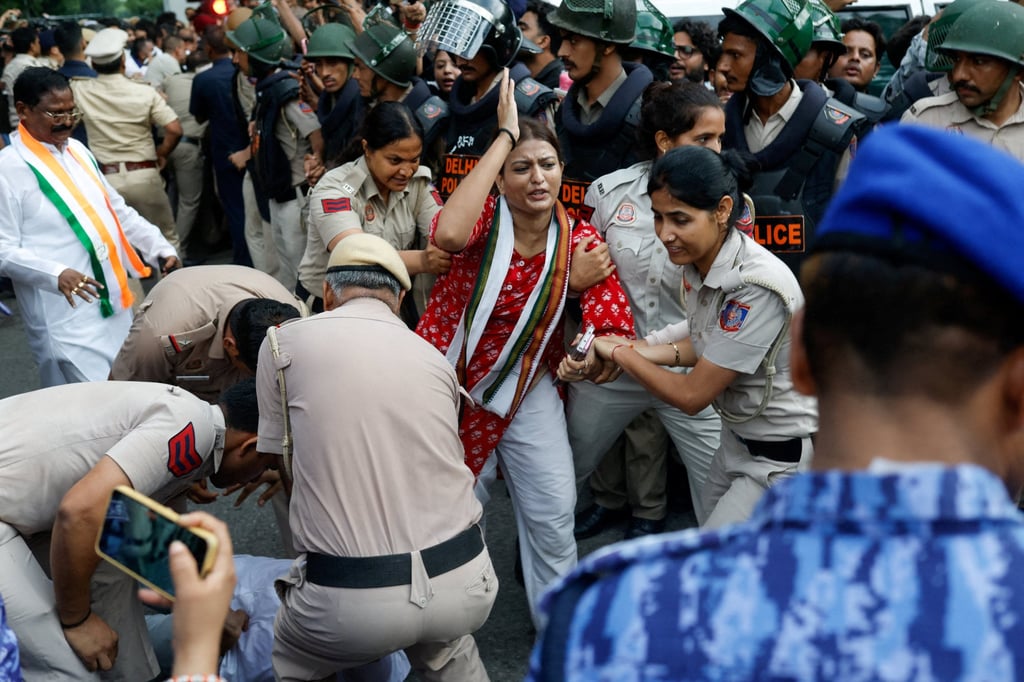
Delhi police said nearly 180 people were injured, including 60 protesters and 118 police and security personnel.
By then, prominent activist Sonam Wangchuk had already been hospitalised on Saturday after a three-week hunger strike over demands for education reform, which added national visibility to a protest movement driven largely by students.
The protests, led by the Cockroach Janta Party (CJP), started following allegations of question paper leaks for the National Eligibility Entrance Test (NEET), one of India’s most competitive exams for aspiring doctors.
Don't Miss:
-
China urges ‘constructive dialogue’ with EU in high-level call with France
-
Hong Kong airport builds third runway with strategy to help marine environment thrive
-
Cambodia, Thailand take US$300 billion seabed dispute to UN
-
Hong Kong visitor arrivals hit post-pandemic monthly high in August
-
Indonesian finance minister found out about his firing in mid-meeting phone call