
 Statement on missing ICIJ journalist Micah Reddy
  TRANSCRIPT: ‘China Retains Levers for Long-Term Territorial Ambitions’
  On Indonesia’s new oligarchy, China’s state bank, and other stories | Asia Sentinel Stories of the Week
 Ho Chi Minh City’s bustling jewellery quarter has fallen unusually quiet. Customers are not browsing for engagement rings or necklaces any more – instead they are clutching old receipts and certificates, hoping to sell diamonds they no longer trust.
In gem-certification labs, diamonds were stripped of their original Gemological Institute of America laser inscriptions before being re-engraved and issued with reports that overstated their quality, police said, allowing them to be sold at far higher prices. Authorities are still investigating how widely the stones spread through the market, while dozens of jewellery shops have temporarily closed.
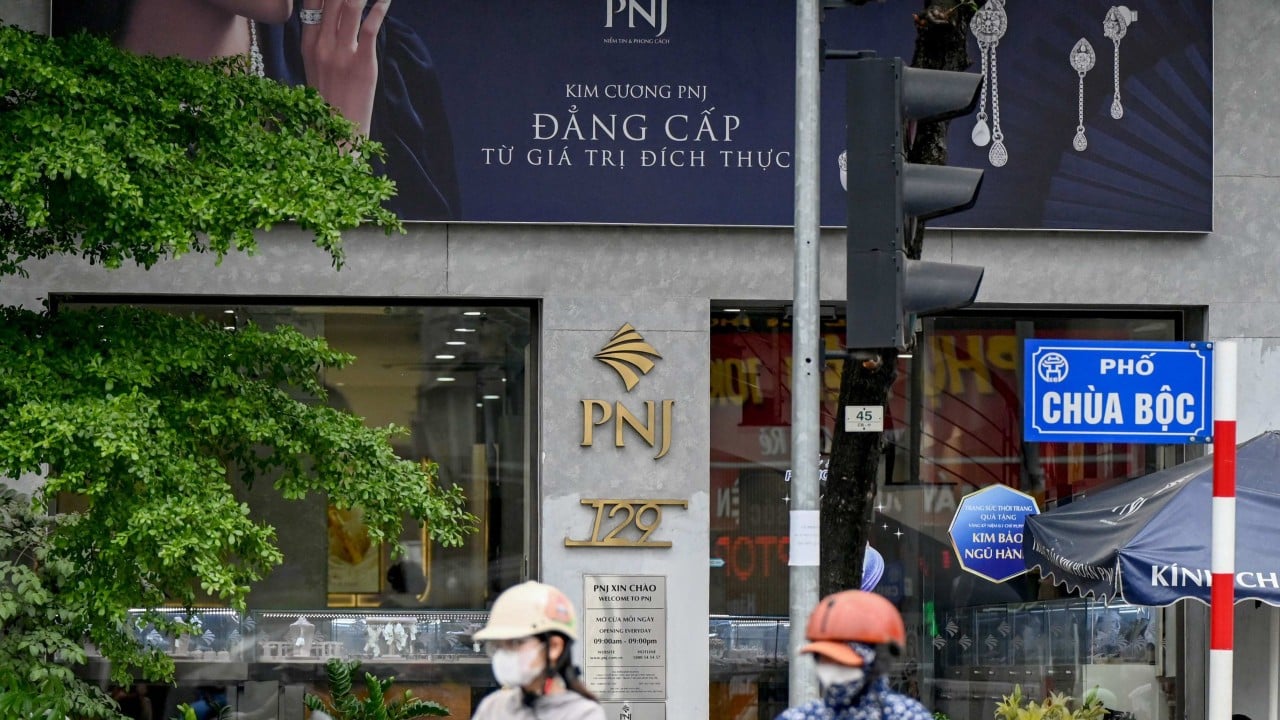
“I’m truly worried,” said Thanh Hang, an online clothing shop owner who bought her diamond ring in Ho Chi Minh City. The stone had been graded by PNJ Laboratory, one of the companies under investigation.

Hang had sought a refund at the retailer in question, but found the branch was shut. In Vietnam, it is common for jewellery stores to offer a buy-back programme as a sort of sales tool – it gives buyers confidence they will have an exit route at some point in the future, while encouraging them to return to the same jeweller when they want to upgrade or resell.
Don't Miss:
-
Thousands march in France against ‘licence to kill’ draft law
-
Germany’s Merz vows to press ahead with reforms after historic state election defeat
-
UK’s Burnham congratulates Trump and Danish PM on Greenland deal
-
Italy’s Meloni plans to ban burkas, niqabs in schools and cap foreign pupils in classrooms
-
US, China seek Xi-Trump summit deliverables in New York talks