
 How Hungary’s richest man funneled millions into Orbán’s propaganda machine
  How Real Is the US Withdrawal from the Middle East?
  From Iran to China: An Emerging Trans-Central Asian Corridor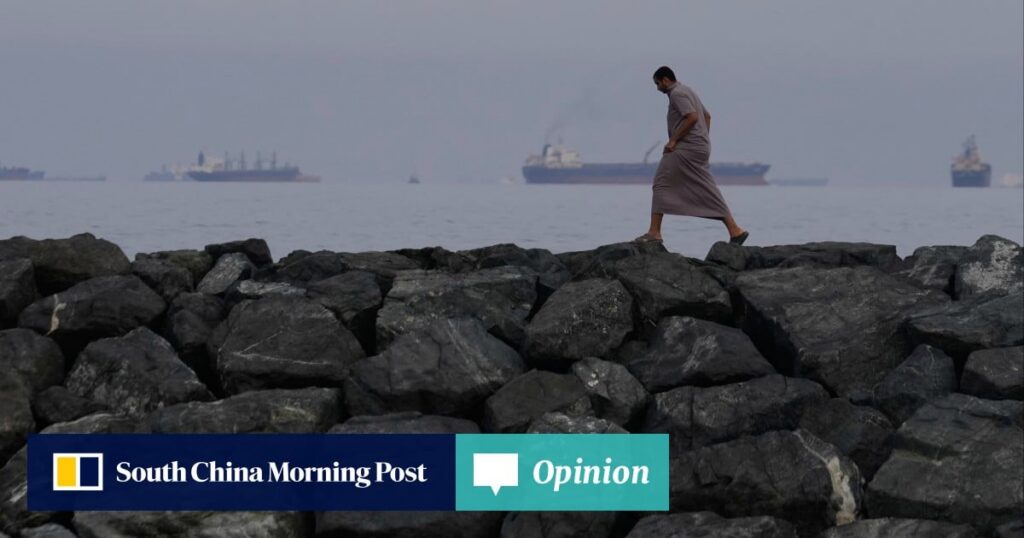
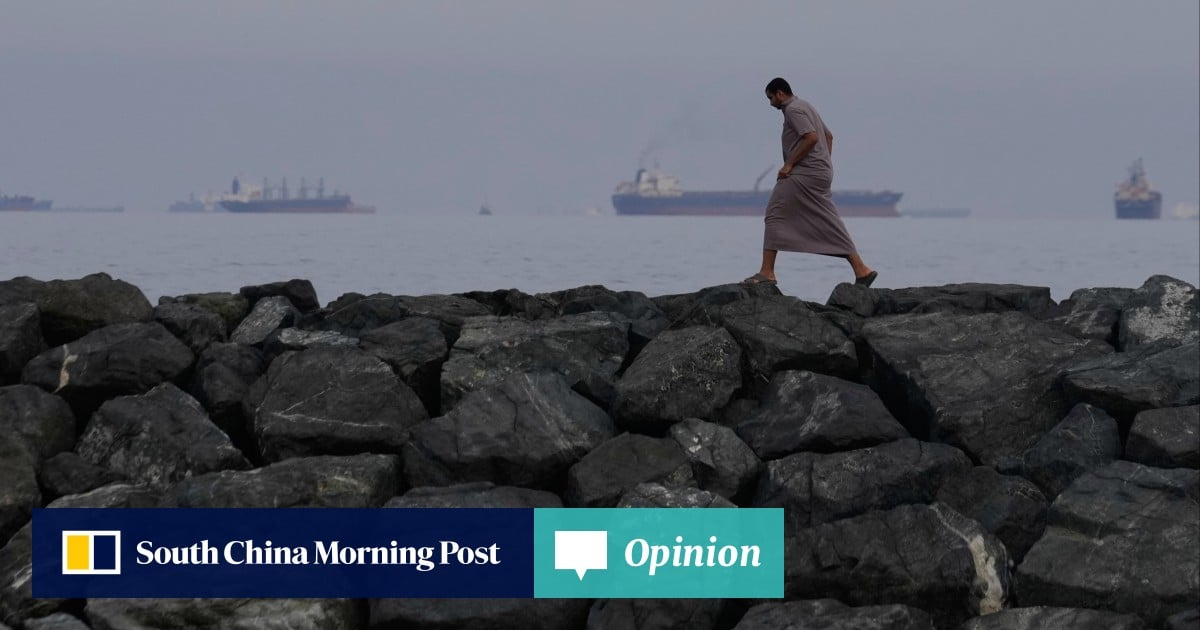
Geopolitical competition has long been understood in territorial terms. Power was measured by control over land, resources and populations. Rivalry was expressed through military confrontation, alliance formation and the defence of borders. As economic interdependence deepened in the 20th century, globalisation was seen as an arena within which states competed, but not itself the object of competition.
That assumption no longer holds. Increasingly, the infrastructure of globalisation is becoming the central arena in which geopolitical rivalry unfolds.
Advertisement
This shift has been partly driven by globalisation itself. As production, transport and finance have become more interconnected, vulnerabilities have multiplied. Supply dependencies, network concentration and geographic chokepoints have created new forms of leverage, often less visible than military force, but no less consequential.
Advertisement
States do not simply seek to strengthen their position, but to shape the environment in which their rivals operate. Influence is exerted not only by building capacity, but by controlling access, redirecting flows and introducing friction into the networks on which others depend.
Don't Miss:
-
US wraps up military mission in Iraq, giving Baghdad room to strengthen China ties
-
As China and the EU begin crunch trade talks, optimism is in short supply
-
Data centre opposition is growing in Australia. Is there a middle ground?
-
Helper arrested for allegedly slapping 5-year-old boy after he refuses to eat
-
Workers, mostly Indian, building US consulate in Milan agree to record settlement