
 Beyond Netanyahu: Will Israel Change Course?
  UK Parliament debates infrastructure security after China Capital revelations
  Indonesia Finance Minister Firing Exposes Policy Disarray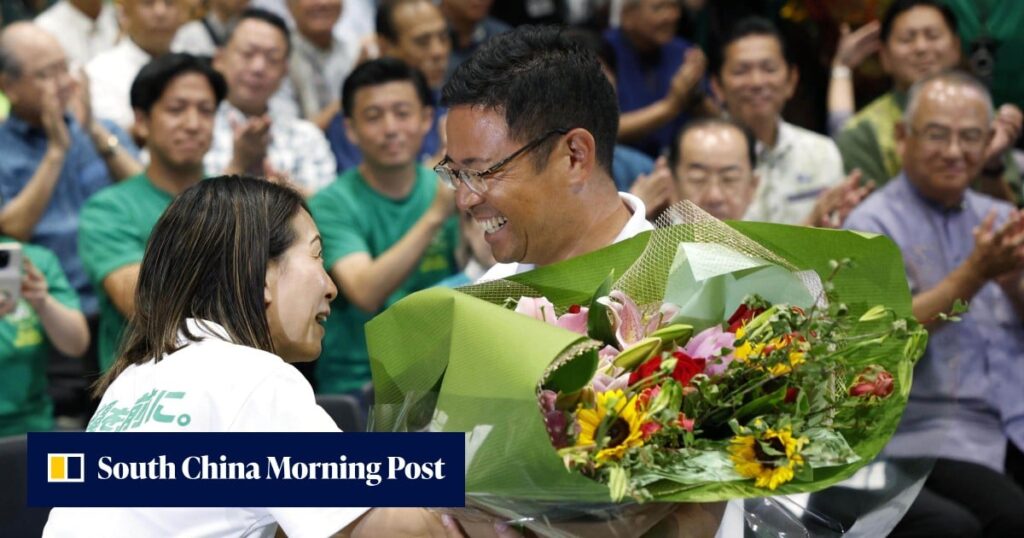
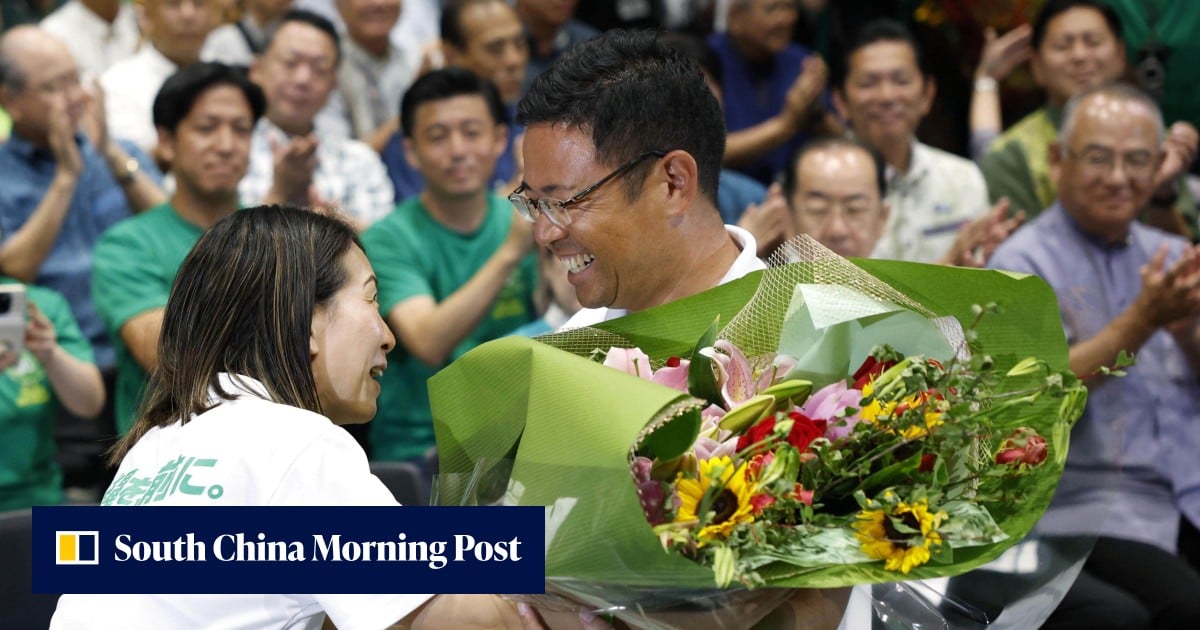
The leadership change in Okinawa could deal a quiet blow to Beijing’s attempts to leverage local opposition to remilitarisation and the US-Japan military alliance, according to analysts.
They added that the shift would compel Chinese academics and state media to recalibrate their messaging and approach towards the strategically vital Japanese prefecture.
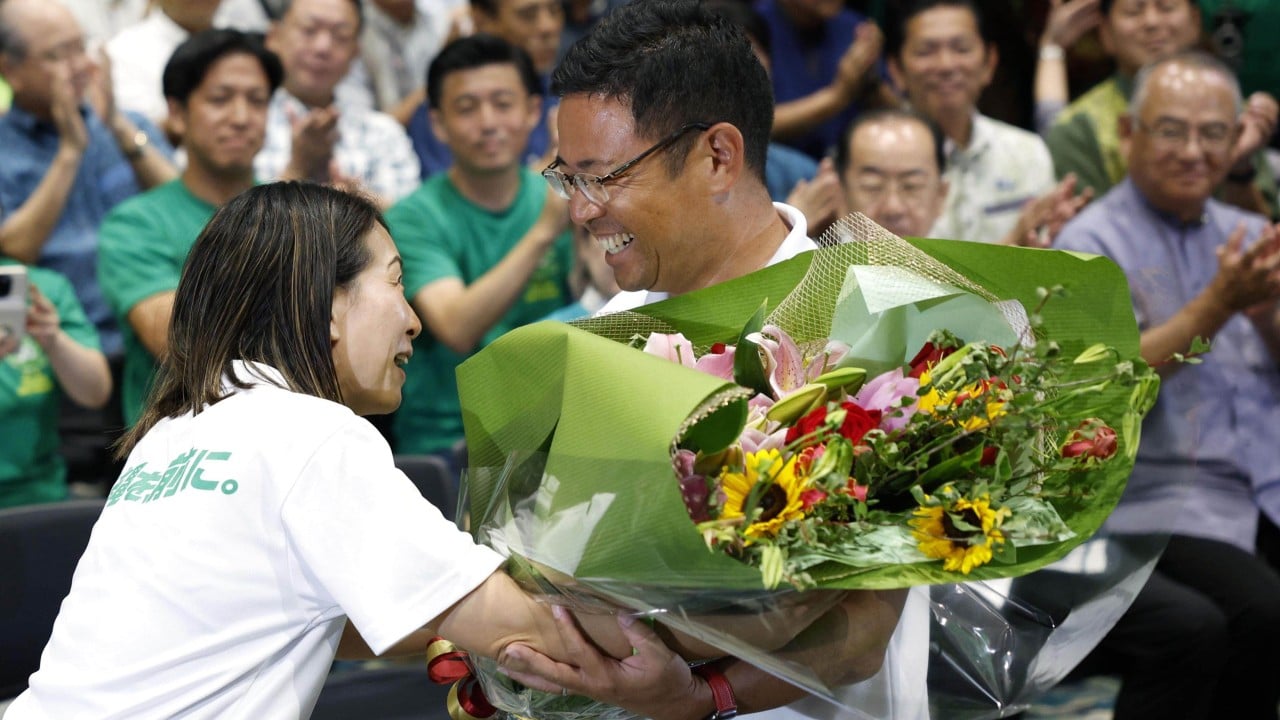
Genta Koja, the 42-year-old backed by Japan’s ruling Liberal Democratic Party to become Okinawa’s new governor, defeated incumbent Denny Tamaki on Sunday. This brought an end to eight years of Tamaki’s leadership, characterised by vocal pacifism and active regional diplomacy with Chinese cities that historically maintained ties with Okinawa.
For Beijing, which has long cultivated relationships with Okinawan leaders who challenge Tokyo’s defence policies, Koja’s win represents the loss of a sympathetic subnational partner.
Don't Miss:
-
India and Russia push to expand defence ties with more joint production
-
Historic moment for Hong Kong as John Lee delivers city’s first ever 5-year plan
-
Dong Jun adopts softer stance on US at Xiangshan Forum as Xi prepares for Trump summit
-
South Korean court orders Pyongyang to pay US$32.5m for destroying border office
-
Fragility and cooperation: the takeaways from Dong Jun’s Xiangshan Forum speech