
 Rick Claypool on Pay to Play Corporate Crime Enforcement
  Labaton Launches Whistleblower Practice with Former SEC Acting Chair Allison Herren Lee
  Kremlin payment firm A7 has been pumping billions in ‘untraceable’ cash into global financial system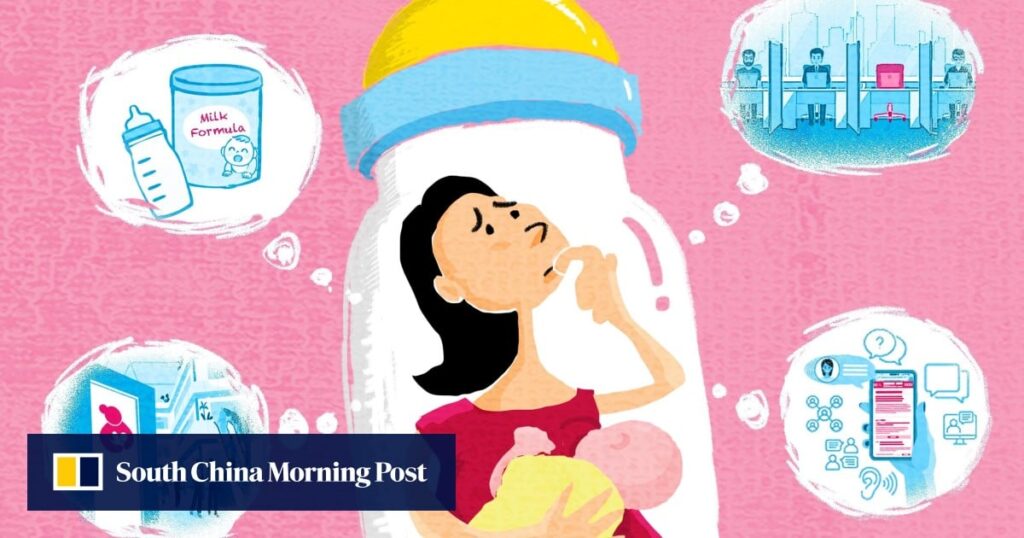
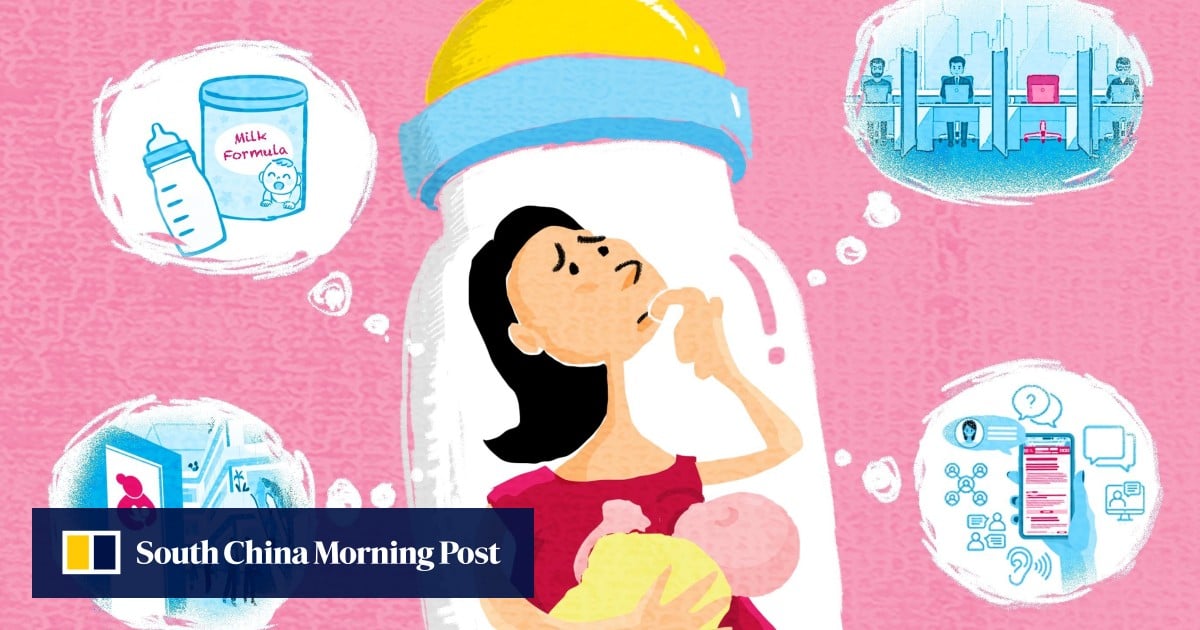
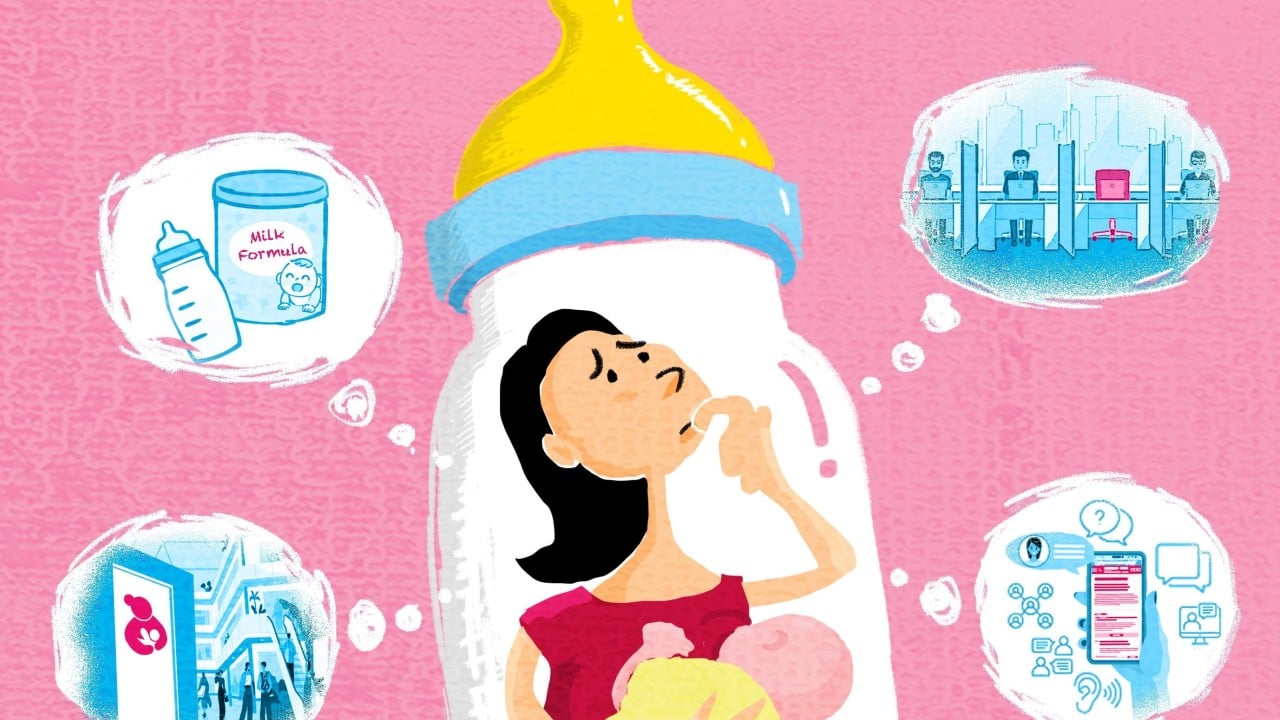
For Hongkonger Annyee Chan, the decision to stop breastfeeding her son at eight months was a pragmatic response to a city that often feels at odds with the needs of nursing mothers.
Returning to work just one month after childbirth, the self-employed wealth management professional faced a gruelling logistical challenge, navigating a city with sparse nursing facilities while lugging heavy pumps, bottles and coolers on her daily commute.
“I managed to breastfeed my child quite well, and I persisted because I knew this was good for both mother and baby … but things got challenging when I returned to work and needed to meet clients,” she recalled.
Advertisement
“What I did was pump milk in the staff rooms of my friends’ restaurants, leave it in a cooler bag, store it there and retrieve it after I finished work.”
The logistical hassle was constant, as she sometimes forgot equipment or left milk behind while struggling to find a clean, unoccupied nursing room.
Advertisement
These recurring obstacles nearly led her to stop breastfeeding in the third month, but she pushed herself to continue until eight months for the benefit of her now one-year-old son, Branley.
“Hong Kong’s environment is quite discouraging for breastfeeding,” she said.
Don't Miss:
-
A Total of 13 Mass Graves Have Been Found in Viesca Containing the Charred Remains of Men and Women
-
Jorge Luis Zambrano, alias “Rasquiña”
-
El Taliban Fell In Mazatlán… And What He Confessed Ties Everything Together
-
Inside the Camp at the Heart of Honduras’ Garífuna Land Struggle
-
This Is How the MataZetas Captured and Executed the Zetas