
 When Great Powers Talk, Who Speaks for Asia
  About the China Capital investigation
  Frequently asked questions about the China Capital investigation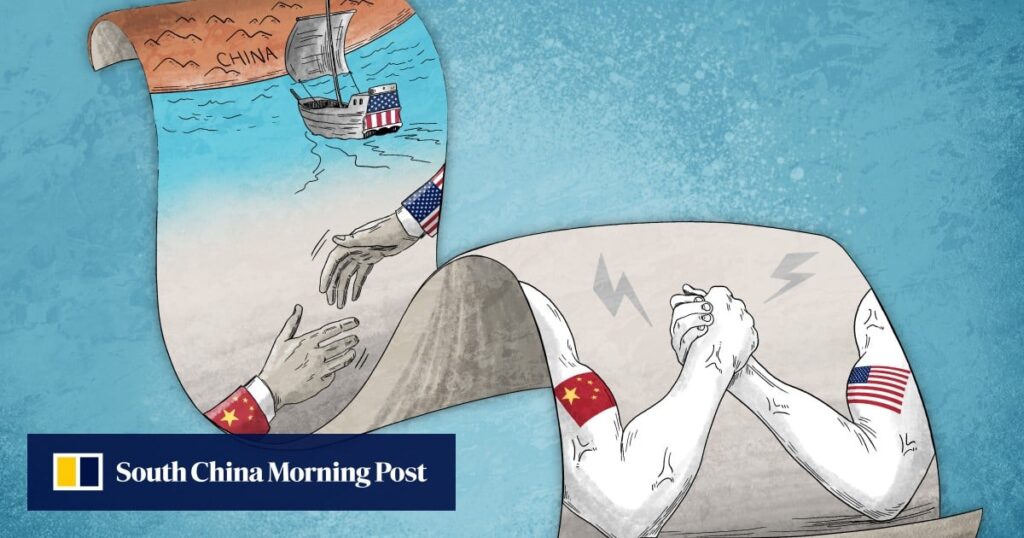
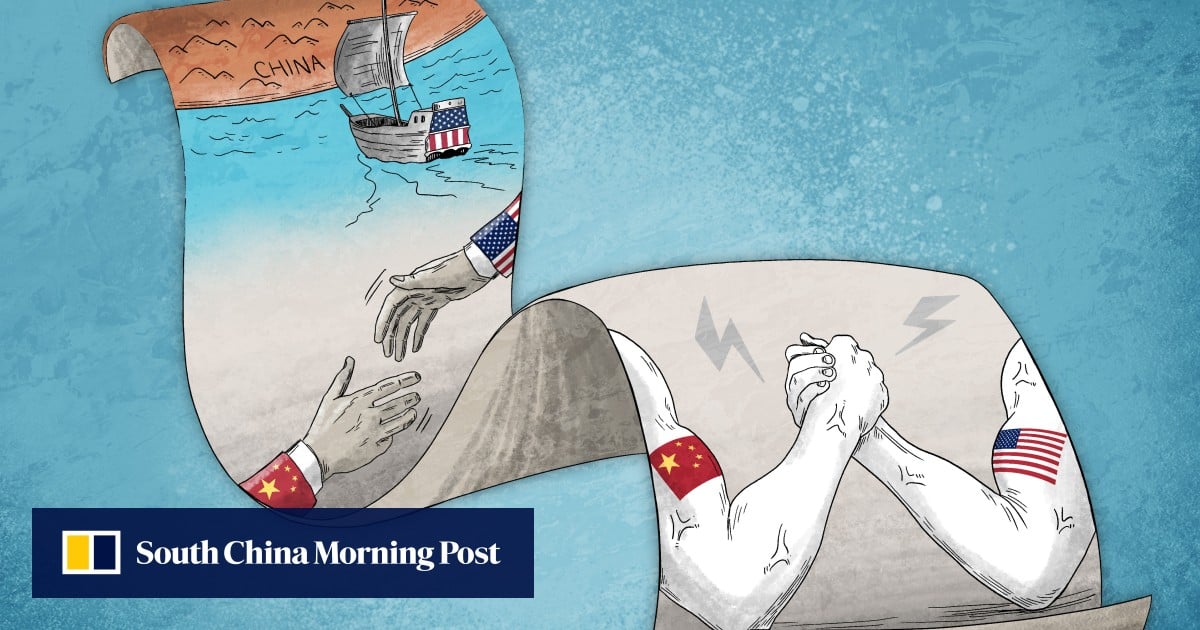
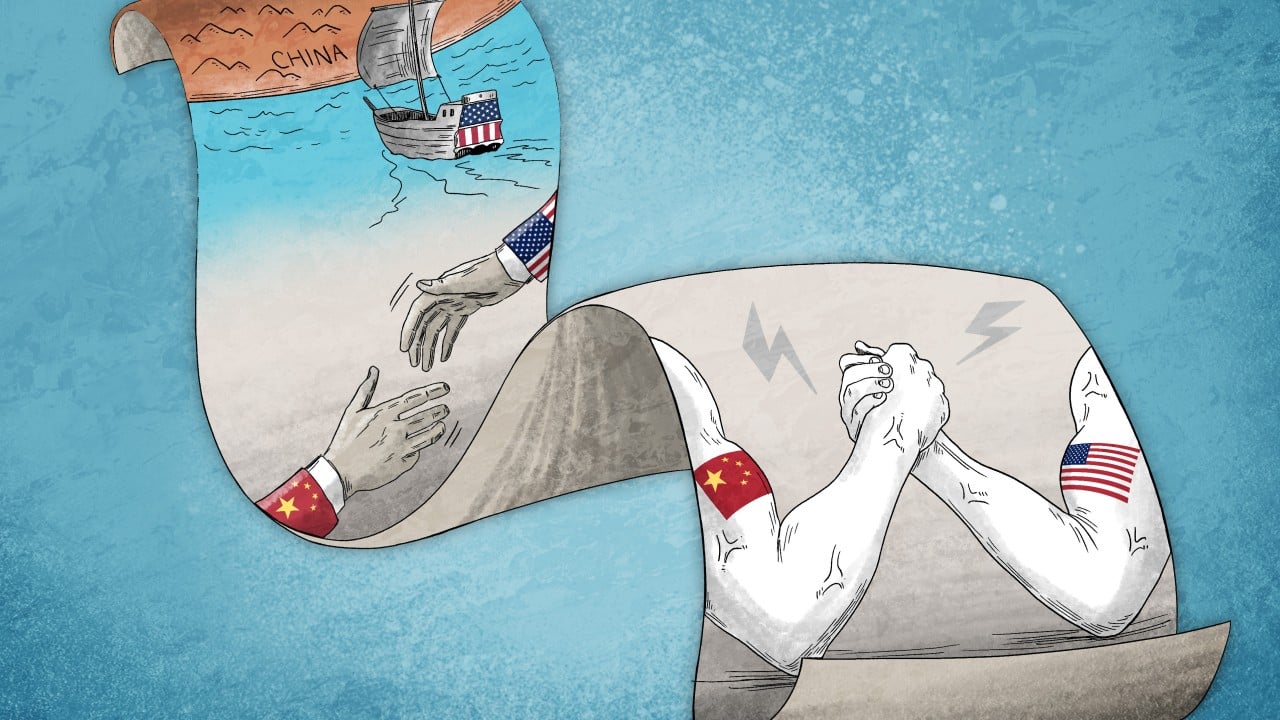
One morning in February 1784, a converted privateer called the Empress of China sailed out of New York harbour. It was bound for a country almost no one aboard had ever seen – China, then ruled by the Qing dynasty.
Six months later, it dropped anchor at Canton, the only port where the Qing government allowed Western maritime trade.
At the time, the Declaration of Independence was less than a decade old, and the Treaty of Paris recognising American independence had been signed less than a year before.
The newborn republic had no navy and little standing in the world. What it did have was a dream of China.
Two and a half centuries later, the country that once drew American merchants across the Pacific has become Washington’s principal competitor. The United States and China, now the world’s two largest economies, are locked in a struggle over trade, technology, security and the shape of the global order.
For historians, that first voyage marked the beginning of a relationship in which America repeatedly reinvented what China represented – from coveted market to admired civilisation, from missionary project to strategic rival. Each reinvention said as much about America as it did about China.
Don't Miss:
-
China urges ‘constructive dialogue’ with EU in high-level call with France
-
Hong Kong airport builds third runway with strategy to help marine environment thrive
-
Cambodia, Thailand take US$300 billion seabed dispute to UN
-
Hong Kong visitor arrivals hit post-pandemic monthly high in August
-
Indonesian finance minister found out about his firing in mid-meeting phone call