
 New documents show how a retail chain’s sales practices helped put guns on US streets
  Singapore a battleground of commodities fraud lawsuits
  From Propagandist to Criminal
To answer this, it is useful to look at history. During the fifth and fourth centuries BC, Athens, a major centre, depended heavily on grain imports. Whenever routes were blocked during wars, Athens almost immediately faced the threat of a food crisis. In the Middle Ages, Venice became one of Europe’s richest cities and a crucial hub linking European and eastern trade. When wars disrupted routes, the effects were felt almost instantly in the Venetian economy.
For centuries, trade between China and Europe moved along the Silk Road. As trade networks expanded, disruptions to key routes began to have far wider consequences. In response to the 1973 Yom Kippur war, Arab oil-producing countries imposed an embargo on the United States and several Western economies. Oil supplies fell sharply, prices surged, global inflation accelerated and many major economies slipped into recession.
Advertisement
04:04
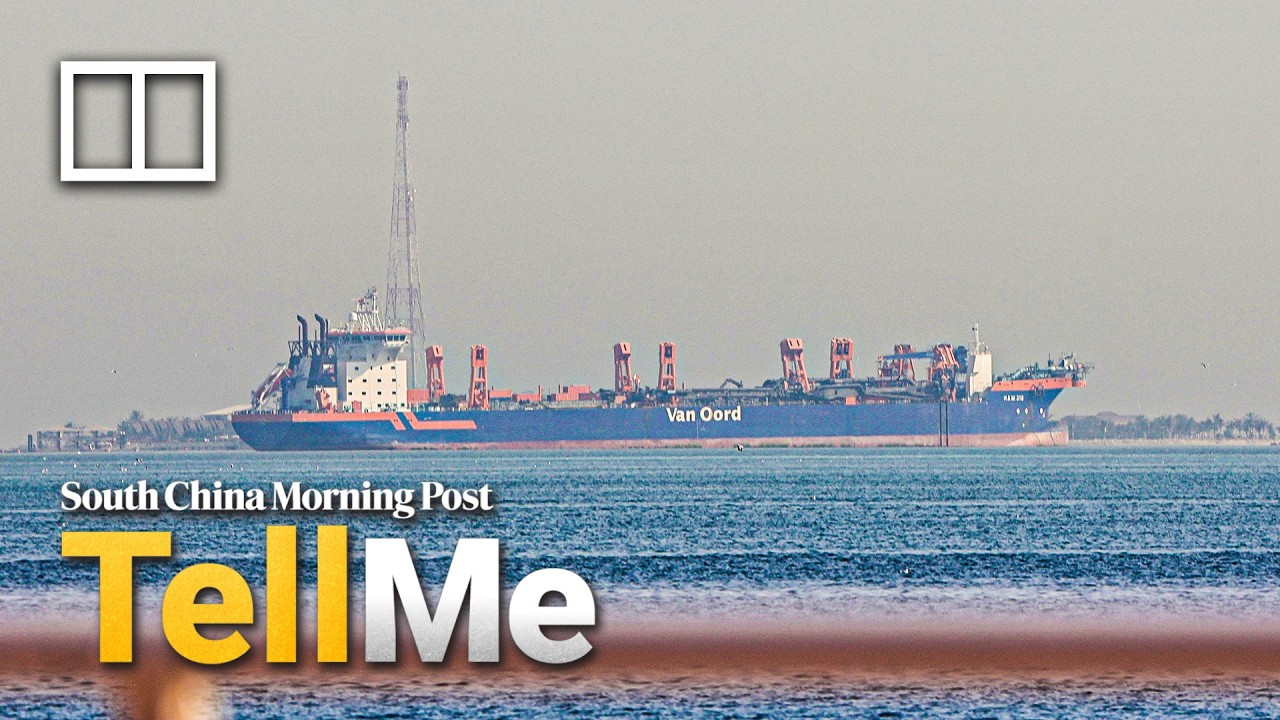
How US-Israeli strikes on Iran are sending shock waves through global energy markets
How US-Israeli strikes on Iran are sending shock waves through global energy markets
Don't Miss:
-
Former American Idol singer Caleb Flynn sentenced to life in prison for wife’s murder
-
Bogota mayor presses Chinese-led consortium for more metro workers as auditors flag delays
-
ICC unseals arrest warrants for 4 Taliban leaders wanted on gender persecution charges
-
Quebec votes in provincial election as separatist surge poses test for Canada’s PM Carney
-
“Here, We Confront Drug Traffickers Daily… And The U.S.?”