
 Questions swirl around US plans for record $15B Prince Group crypto seizure
  Donate to ICIJ
  Chelsea FC fined millions over secret payments under Abramovich ownership
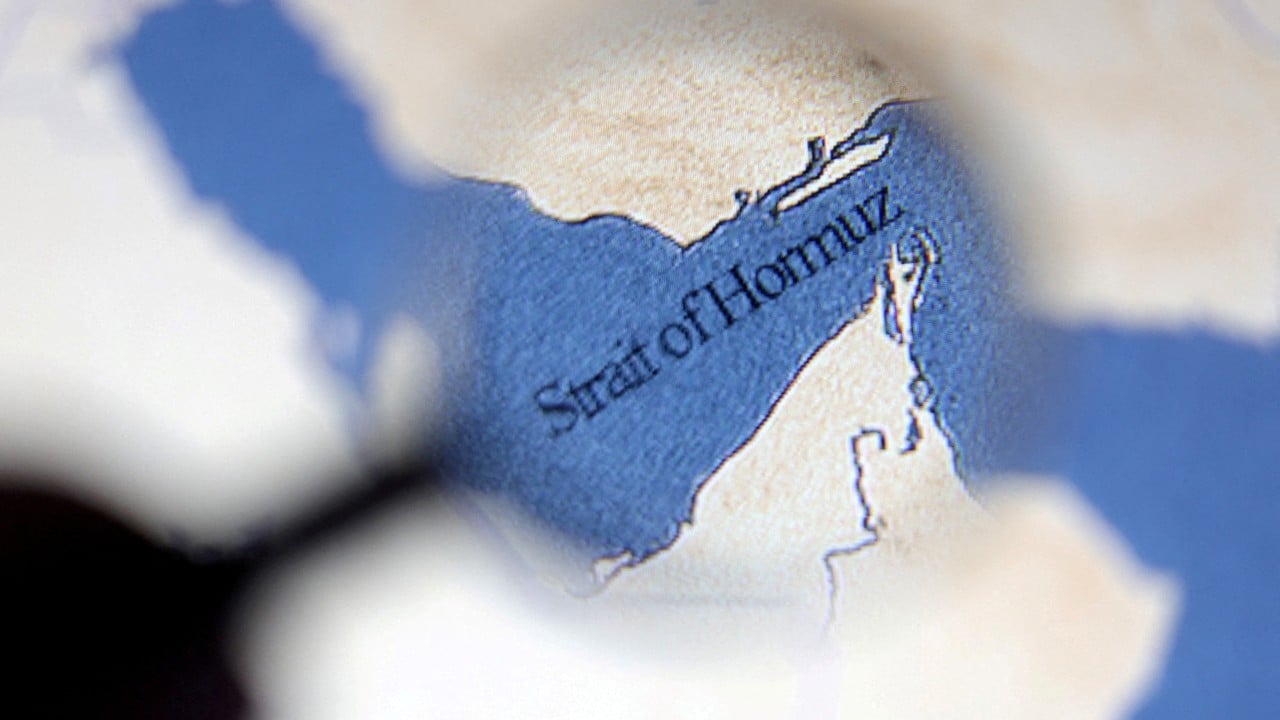
To answer this, it is useful to look at history. During the fifth and fourth centuries BC, Athens, a major centre, depended heavily on grain imports. Whenever routes were blocked during wars, Athens almost immediately faced the threat of a food crisis. In the Middle Ages, Venice became one of Europe’s richest cities and a crucial hub linking European and eastern trade. When wars disrupted routes, the effects were felt almost instantly in the Venetian economy.
For centuries, trade between China and Europe moved along the Silk Road. As trade networks expanded, disruptions to key routes began to have far wider consequences. In response to the 1973 Yom Kippur war, Arab oil-producing countries imposed an embargo on the United States and several Western economies. Oil supplies fell sharply, prices surged, global inflation accelerated and many major economies slipped into recession.
Advertisement
04:04
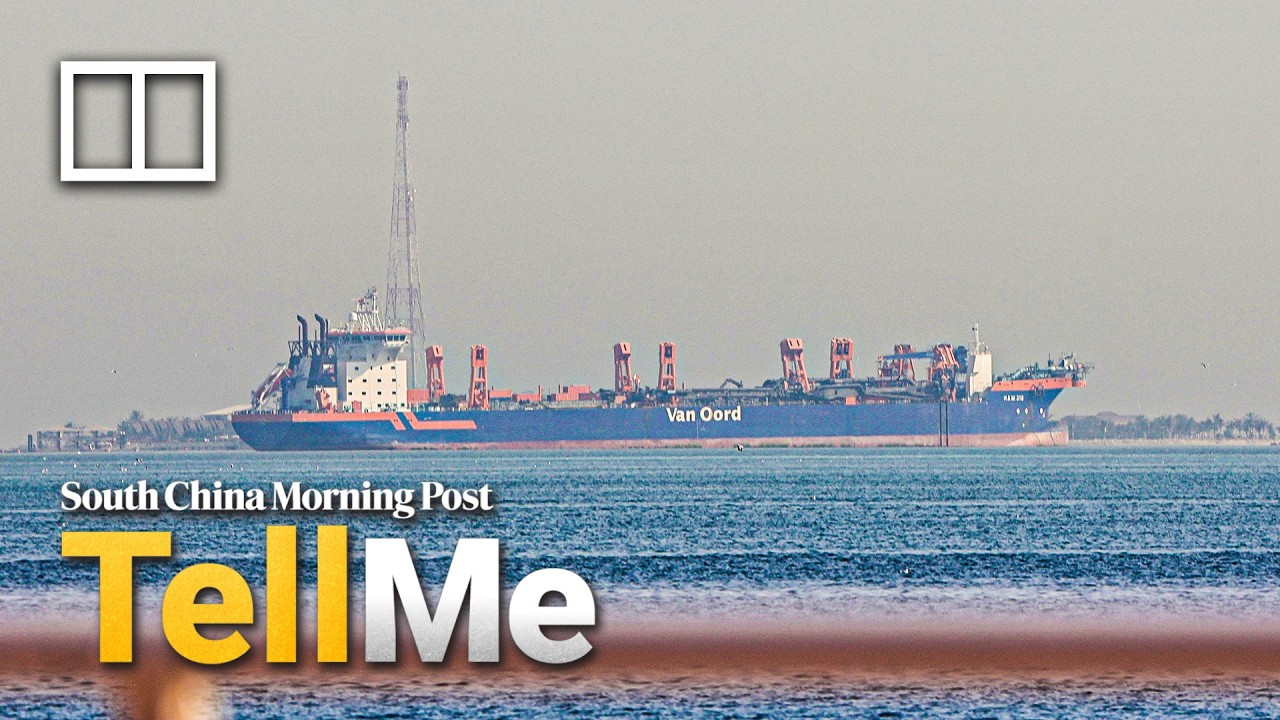
How US-Israeli strikes on Iran are sending shock waves through global energy markets
How US-Israeli strikes on Iran are sending shock waves through global energy markets
Don't Miss:
-
2 women climb out of window to flee Hong Kong building fire that injured 3 others
-
US hub in Iraq targeted overnight by Iranian drones, rockets
-
1,200 musicians set Guinness World Record at concert in Hong Kong
-
Chinese social media is awash with criticisms of the US, but is it possible to go too far?
-
Alibaba chairman Joe Tsai credits China’s AI edge to power grid, open-source models