
 Thailand and a Tale of Two IMF Meetings
  Beyond Netanyahu: Will Israel Change Course?
  UK Parliament debates infrastructure security after China Capital revelations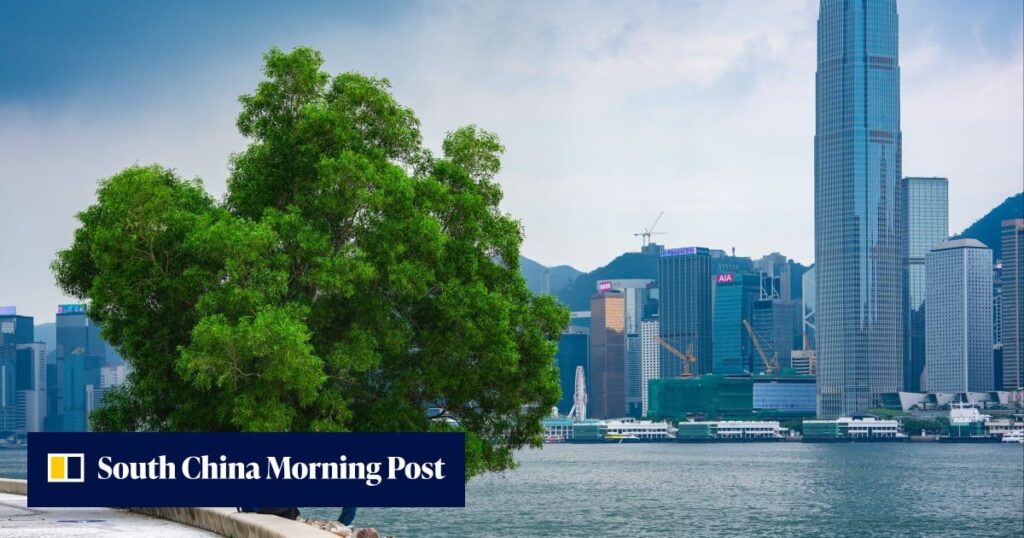
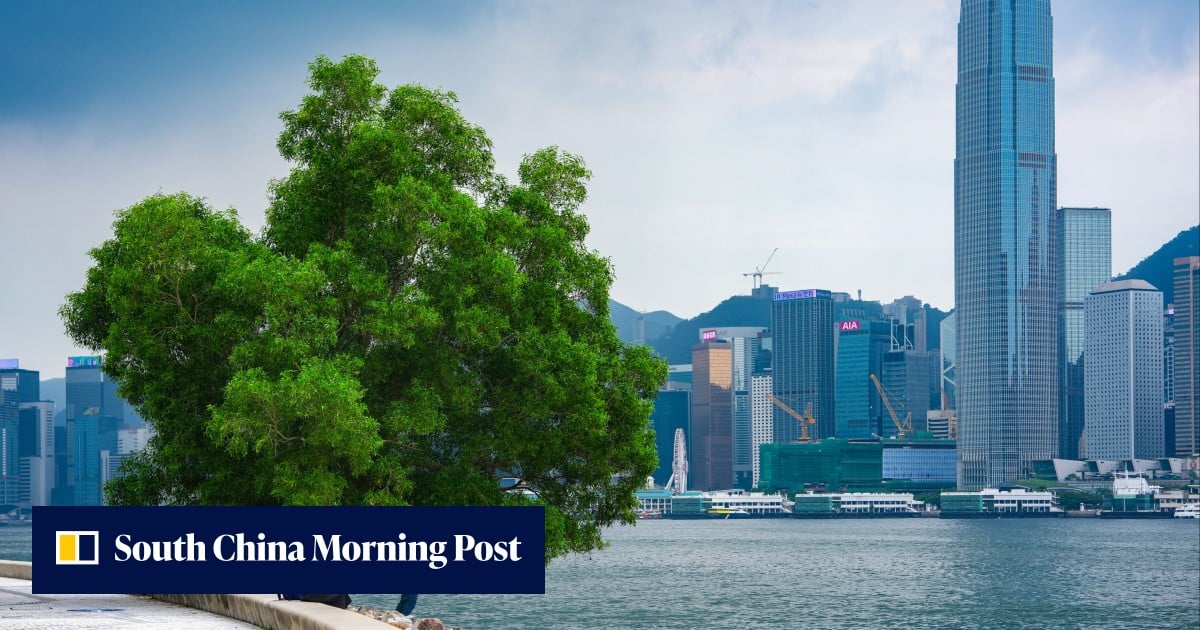
Hong Kong aims to boost the share of zero-carbon energy in its electricity generation fuel mix to 30 per cent by 2030, up from the current 28 per cent – one of four binding environmental protection targets set out in the city’s first five-year plan on Wednesday.
The binding goal aligns with existing climate protection strategies that target a zero-carbon energy share of between 60 and 70 per cent by 2035, as part of the city’s broader push towards carbon neutrality by 2050.
“With these efforts, we strive to strengthen energy security, lower energy generation costs and stabilise electricity tariffs to minimise the impacts of the war in the Middle East, which has driven up liquefied natural gas prices,” a government source said.
Natural gas currently accounts for most of Hong Kong’s electricity generation, making up more than 50 per cent of the fuel mix as of June this year, followed by coal at under 20 per cent, and nuclear and renewable energy at around 28 per cent.
Don't Miss:
-
How Hong Kong’s new 5-year plan courts global capital with an eye on market dominance
-
Hong Kong police officer left paralysed in 2005 knife attack dies
-
22 months’ jail for Hong Kong driver who fatally struck student at traffic junction
-
Russia employs North Koreans to build drones for Ukraine war: report
-
Hong Kong airport records 10% passenger growth as cargo falls for a second month