
 Anwar Ibrahim: The Man Who Became the Compromise
  The US is letting a convicted Bolsonaro spy chief stay in Florida. Brazil wants answers.
  Rick Claypool on Pay to Play Corporate Crime Enforcement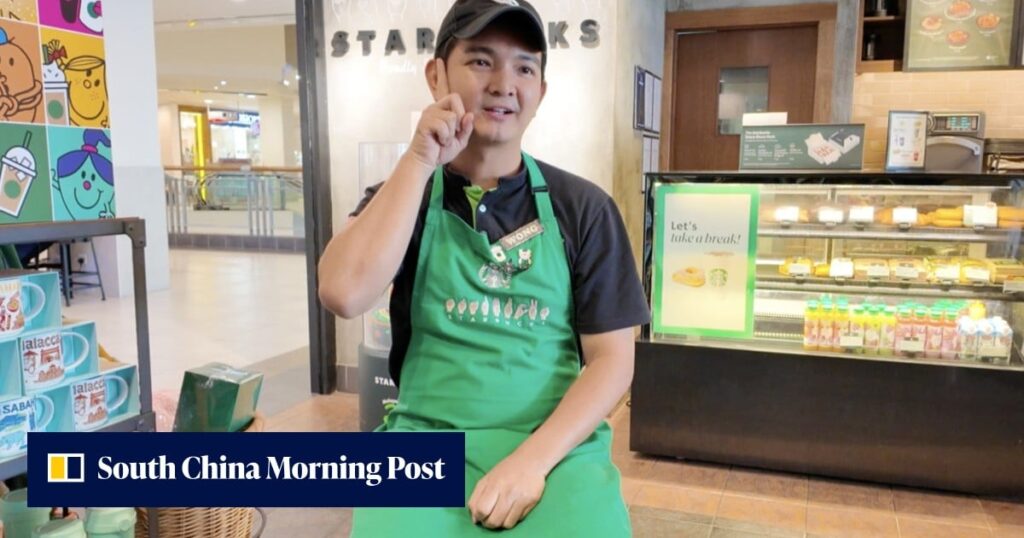
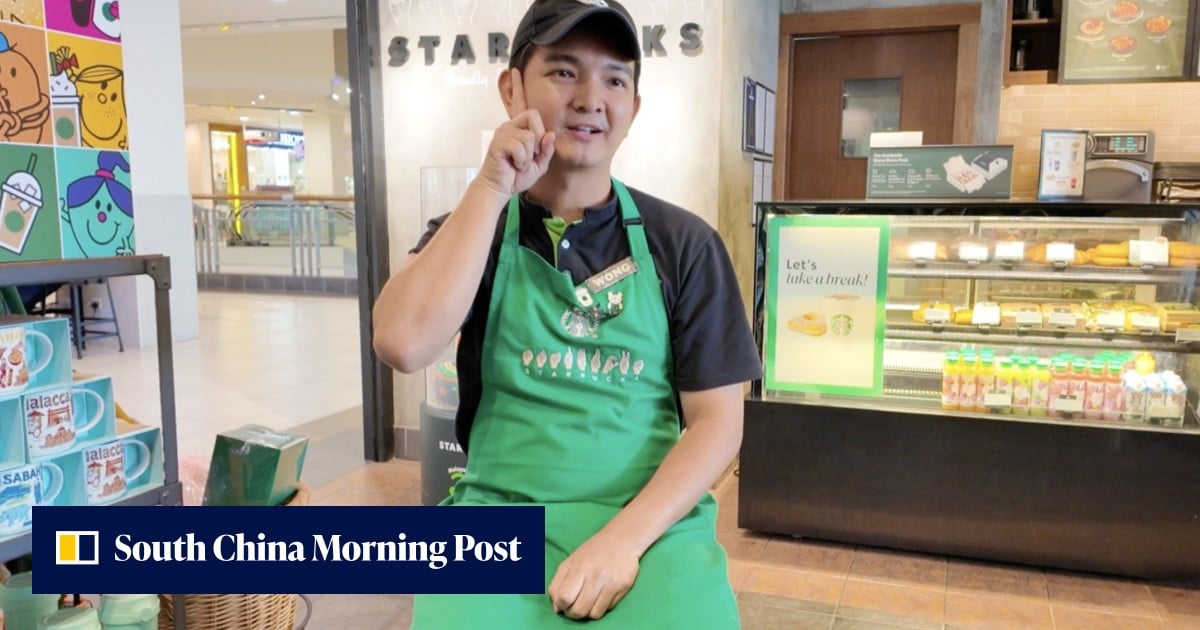
But it was only last year, after 13 years with the company, that he was promoted to shift manager at a branch in Kuala Lumpur’s Bangsar Village II.
The wait says less about Yap, who is deaf, than it does about how rare that kind of promotion still is for deaf workers in the Southeast Asian nation – and how much has had to change around him to make it possible.
Yap, 36, works at what Starbucks calls a Signing Store: an outlet staffed by deaf baristas working alongside colleagues trained in sign language, where visual alarms replace buzzers and dual screens allow staff who cannot hear to confirm an order without it needing to be called out.
The Kuala Lumpur branch was the first of its kind in the world when it opened in 2016 and has since become something of a flagship for corporate inclusion.
“The hearing and the deaf, they are also given the opportunity to be independent and an opportunity for promotion,” Yap said.
Across Malaysia, structured career progression for people with disabilities remains the exception rather than the rule. And it often depends on their employer taking the initiative.
Don't Miss:
-
Organized Crime Postponed Democracy in Haiti, Again | The InSight Take
-
Unstoppable Violence in Michoacán: 31 Police Officers Killed, and Criticism of the Government Mounts
-
A Total of 13 Mass Graves Have Been Found in Viesca Containing the Charred Remains of Men and Women
-
Jorge Luis Zambrano, alias “Rasquiña”
-
El Taliban Fell In Mazatlán… And What He Confessed Ties Everything Together