
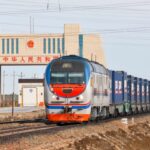
 From Iran to China: An Emerging Trans-Central Asian Corridor
  New documents show how a retail chain’s sales practices helped put guns on US streets
  Singapore a battleground of commodities fraud lawsuits

The recent escalation in the Middle East has produced an unforeseen winner. The conflict has rekindled worries about logistics and energy security, prompting governments and businesses to reconsider their reliance on fossil fuels and fragile supply routes. This has sped up the move towards renewable energy.
The strategic significance of the Strait of Hormuz is well understood. Roughly one-fifth of the world’s oil trade passes through this narrow waterway. Any threat to its operation immediately affects energy prices, investor sentiment and economic planning. The conflict once again shows how fragile the global energy system remains when it depends heavily on a handful of geopolitical chokepoints.
Advertisement
Across Europe, demand for electric vehicles has surged to record levels. In March alone, Britain’s installation of solar capacity hit its highest since 2012. South Korea, which imports about 70 per cent of its crude oil from the Middle East, has accelerated plans to expand renewable energy generation. Similar discussions are taking place in countries throughout Asia, Africa and Latin America.
Advertisement

Don't Miss:
-
Land sales offer only temporary relief for West Kowloon arts hub, experts warn
-
As bear attacks rise in Japan, fearful residents change daily routines
-
Trump says will speak to Putin on plague, after death of Russian lab tech
-
Hong Kong’s first-store appeal grows as more Japanese, South Korean and Thai brands arrive
-
US resident arrested in connection to Canada school shooting