
 IMDB’s China Connection
  Trump administration gave firm with ties to ballroom donor the green light to do business with a sanctioned Russian bank
  Claire Sylvia on the Constitutionality of the False Claims Act
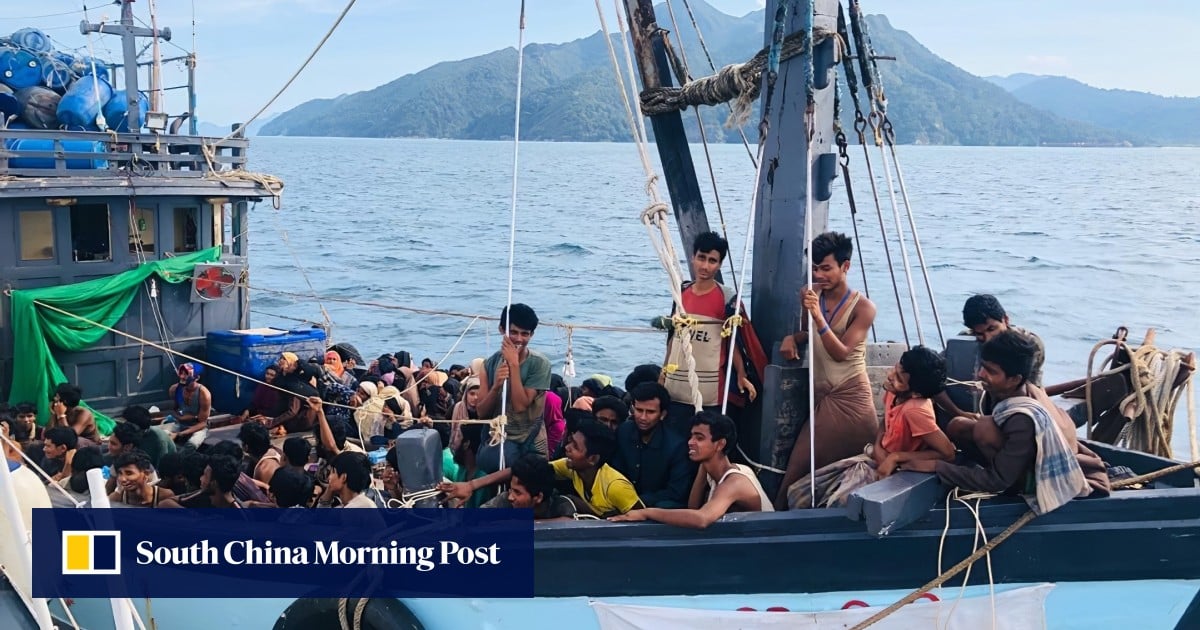
For nine days, Nurul Nisa was crammed onto one of four fishing boats with 130 others, fleeing her village in Myanmar in search of safety. She was a child then, but she still remembers the crying, the sleepless nights and the hunger.
“We had to drink seawater,” she said, recalling the journey she made with her mother and two sisters in 2010, after their village had been burnt down.
To secure the four wooden fishing boats needed for the voyage, the villagers pooled their resources and sold everything they had.
Advertisement
“We did not care whether it was Malaysia or Indonesia,” Nurul told This Week in Asia. “As long as we could eat anywhere we landed, that was enough.”
They worried about being detained, she said, but not because of the loss of liberty. The prospect of being sent back to Myanmar was enough to keep them up at night.
Advertisement
Then, on the ninth day of their journey, Malaysian authorities intercepted their boats as they entered the country’s waters.
Don't Miss:
-
Japan begins clean-up after Typhoon Dujuan kills 4, batters east
-
Indefinite time in psychiatric ward for Hong Kong man who fatally stabbed 2 in mall
-
Who needs a degree? South Korea’s chip boom rewires university-obsessed culture
-
Cambodia hosts anti-scam summit as scepticism lingers
-
‘Do teachers not have families?’: kindergartens’ Mid-Autumn events draw backlash