 Malaysian Indians: A Diminishing Voice in a Changing Nation
 Trading Avocadoes for Political Influence
 How banking giant ICBC helped Chinese firms gain a foothold in Europe’s wind market
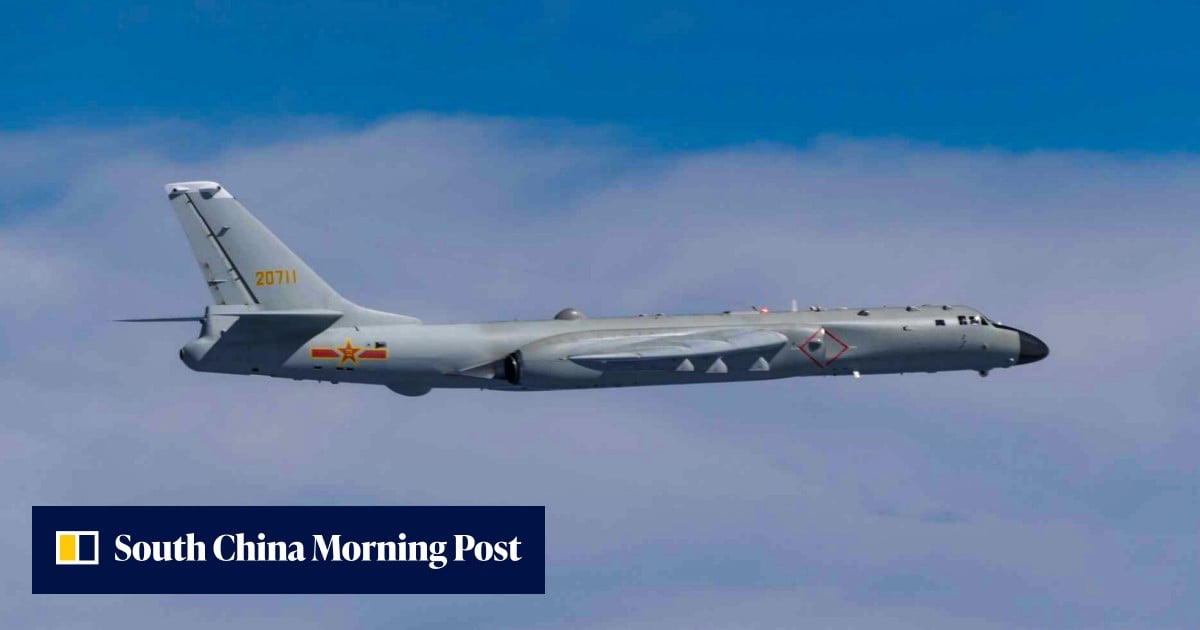
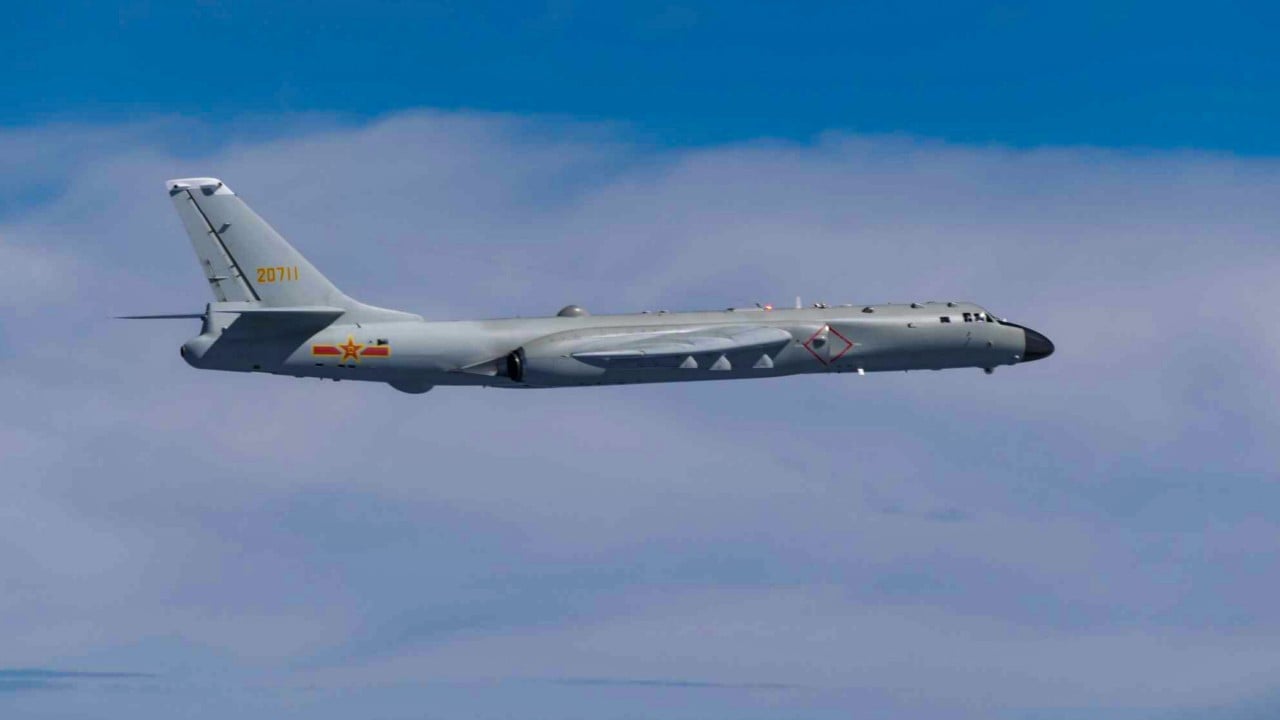
Last month, the People’s Liberation Army (PLA) released footage showing its H-6N bomber flying with a nuclear-capable Jing Lei-1 (JL-1) air-launched ballistic missile (ALBM), offering a rare look at China’s airborne nuclear strike capability.
The unveiling comes as China expands the scope of its H-6 bombers’ activities beyond its nearby airspace.
In July 2024, two H-6s were spotted conducting joint patrol near Alaska for the first time with their Russian counterpart, the Tu-95, prompting the US-Canadian North American Aerospace Defence Command to scramble their fighter jets.
For the past six decades, the H-6 has served as Beijing’s primary strategic strike aircraft. With the JL-1 ALBM able to be mounted on the H-6N bomber, China is now considered to have completed its nuclear triad, boosting its nuclear deterrence and second-strike capability.
History and development