
 Losing language and culture in Xinjiang
  Manila’s EV ambitions confront economic and energy realities
  Tunisian court dismisses case to dissolve publisher of ICIJ partner Inkyfada
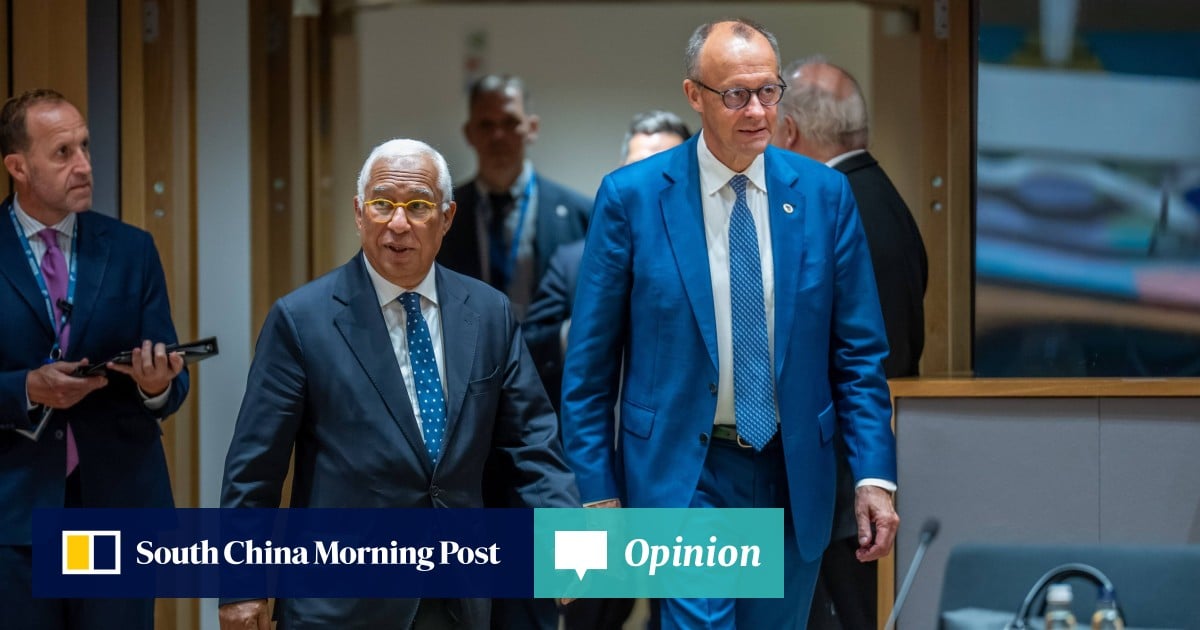
Yet, beneath the hawkish political rhetoric, recent high-level meetings between European officials and their Chinese counterparts underscore a mutual desire to avoid a zero-sum confrontation.
To pull back from the brink, Brussels and Beijing must look beyond short-term political posturing. Avoiding a mutually destructive trade war requires action on three vital fronts: exercising strategic patience, acknowledging a new economic reality through a grand bargain, and pivoting towards investment as a viable rebalancing tool.
First and foremost, both sides must exercise strategic patience. The EU’s goods trade deficit with China, which exceeds €300 billion (US$342.76 billion), has become a convenient political flashpoint.
However, European policymakers must recognise that this imbalance was not created overnight. It is the culmination of decades of shifting global supply chains, international divisions of labour, and robust European consumer demand. It is a macroeconomic illusion to believe that such deep-rooted structural dynamics can be undone in one go, or reversed with a swift barrage of unilateral tariffs.
More importantly, the geopolitical context of the China-EU relationship differs fundamentally from that of the United States and China. Brussels and Beijing do not view each other as existential security threats in the traditional military sense.
Don't Miss:
-
Tiguerones Leader ‘Willy’ Is Living Free in Spain
-
Video Shows CJNG Member Burying Landmine in Apatzingán, Michoacán
-
Explosives Workshop Raided after Shootout in Balleza, Chihuahua
-
The Eccentric Extravagances of “Captain Sol”: 12 Properties, a Penthouse in Tulum, and Casino Spending
-
Fight at Mazatlán Prison Leaves 10 Dead: A 2-Year-Old Boy Died During a Family Visit