
 How Real Is the US Withdrawal from the Middle East?
  From Iran to China: An Emerging Trans-Central Asian Corridor
  New documents show how a retail chain’s sales practices helped put guns on US streets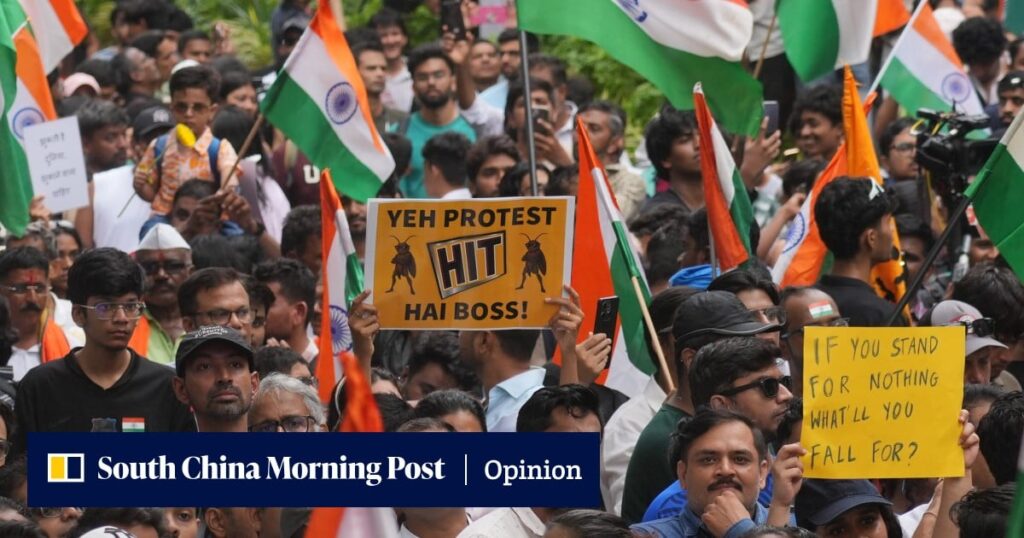
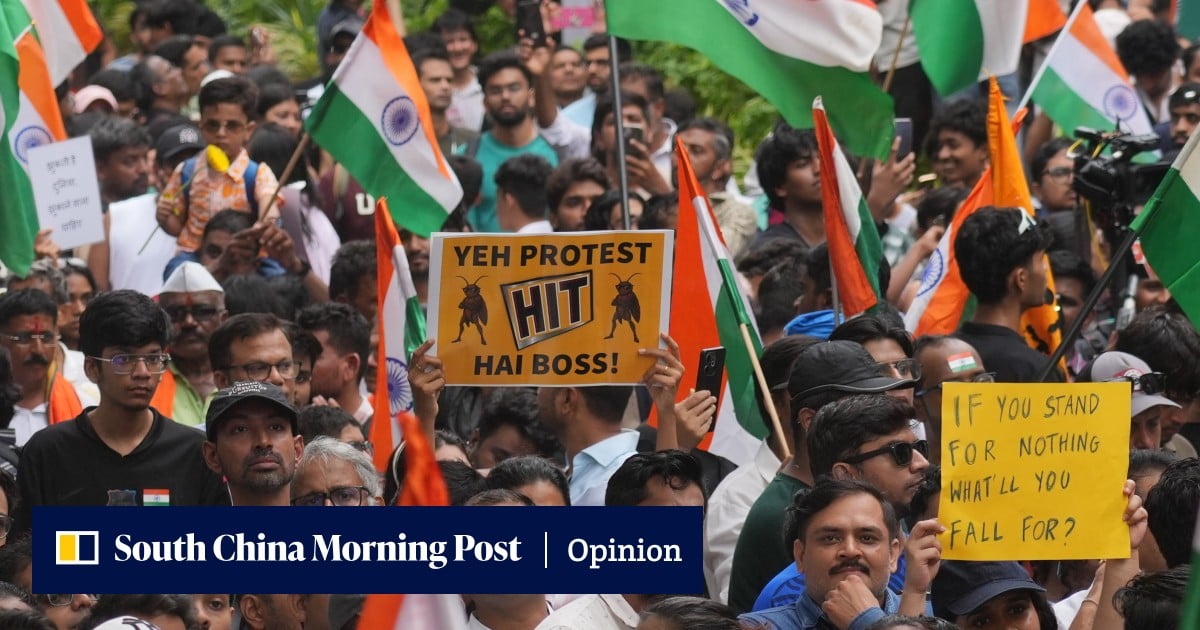
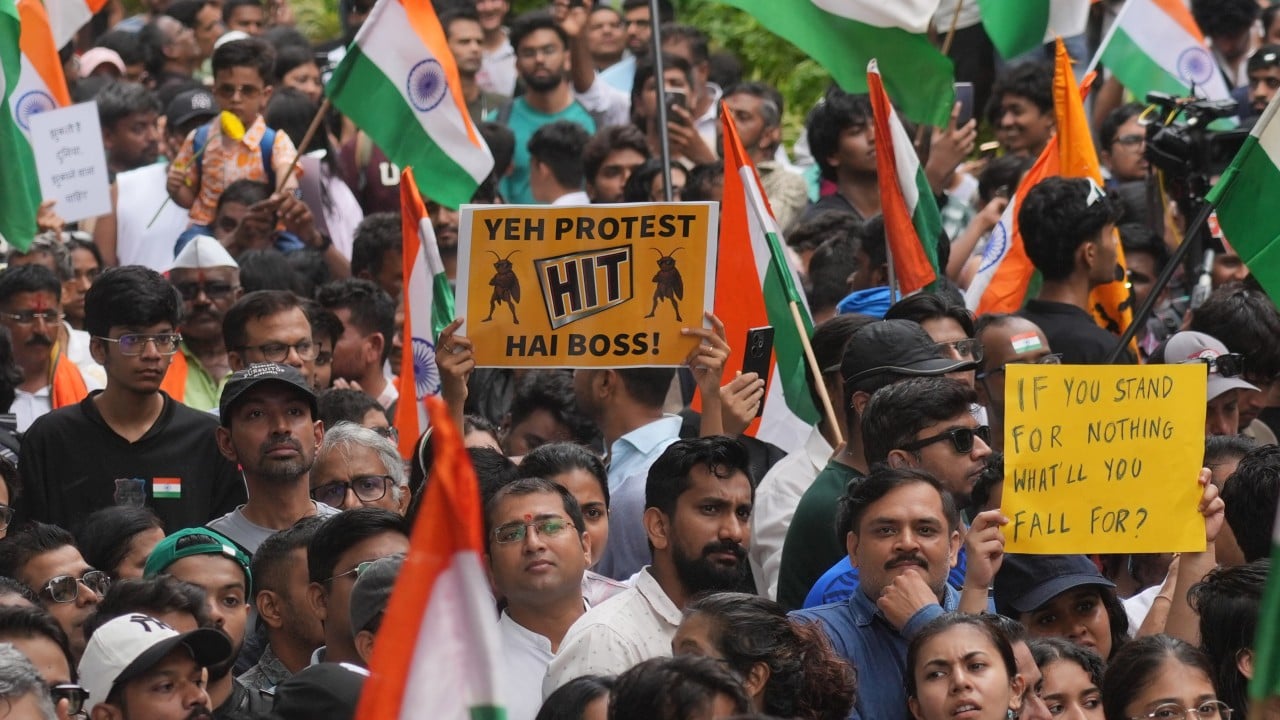
As one journalist observed, for the first time since 2014 when Prime Minister Narendra Modi took office, fear had “switched sides”. The protests began over paper leaks that resulted in the cancellation of the national examination for admission to medical schools. A few months ago, protests of this magnitude – with Rahul Gandhi, leader of the opposition in Parliament, demanding that Modi resign – were unthinkable.
From Sri Lanka to Nepal, Bangladesh to India, South Asia has seen variants of youth protest movements, each producing its own unique results. The common theme for these protests is that they were essentially leaderless or horizontal movements and had no single political party behind them.
All arose organically, spurred by youth anger over political and economic systems, and often drew on existing networks like unions, student federations and activist groups for on-the-ground organisation. But most had no grass-roots political mobilisation which could convert their street power into an organised political movement and lead to electoral success.
When elections were finally held, the country saw the return of the political establishment, with the Bangladesh Nationalist Party led by Tarique Rahman, the son of former prime minister Khaleda Zia, winning.
Don't Miss:
-
Canada will not allow assisted suicide for those with only mental illness
-
Trump wants to turn Florida golf course into presidential retreat
-
US proposes US$70,000 fee for foreign students to work after graduation
-
France halts use of stun grenades in policing of student protests
-
The Jalisco Cartel: At Its Weakest Point in History