
 How Hungary’s richest man funneled millions into Orbán’s propaganda machine
  How Real Is the US Withdrawal from the Middle East?
  From Iran to China: An Emerging Trans-Central Asian Corridor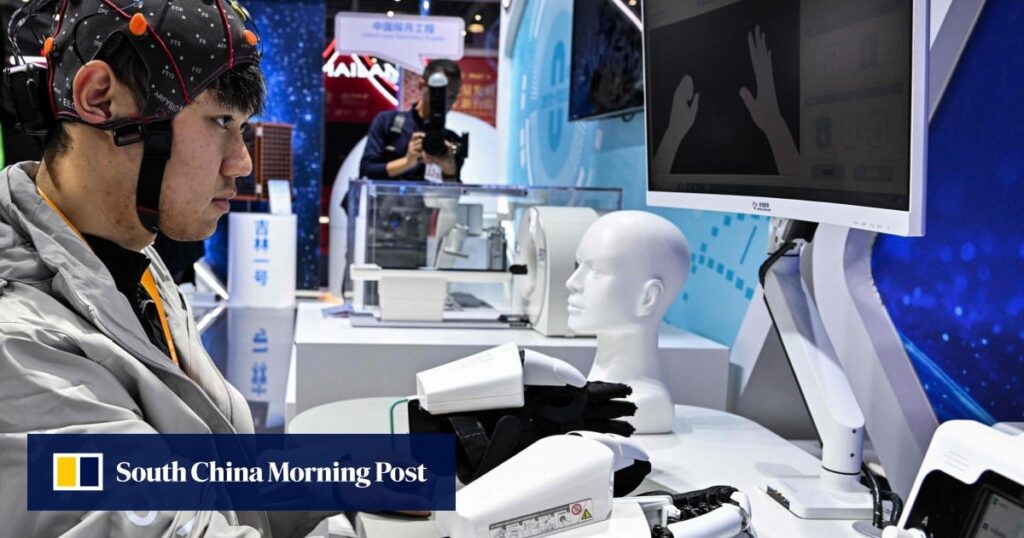
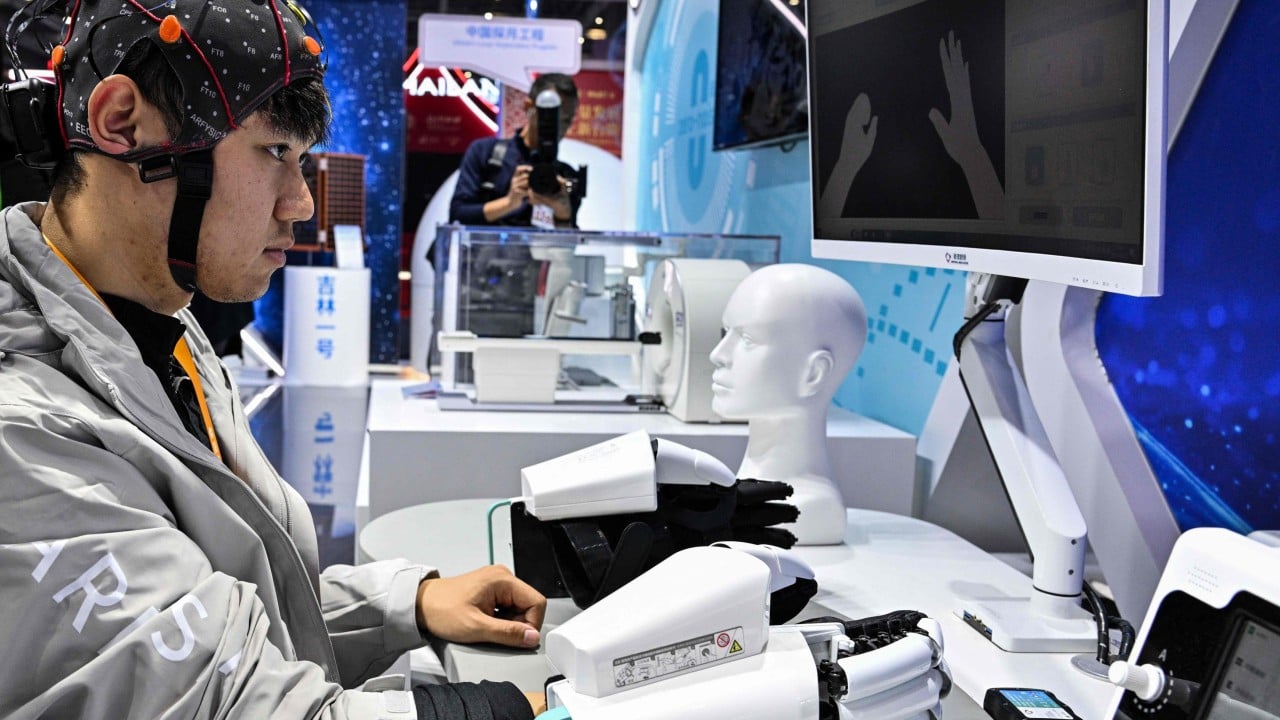
For decades, the United States led the charge in the pursuit of brain-computer interface technology, betting big on bold, high-risk breakthroughs that promised to revolutionise medicine and human-machine integration.
In the end, it is China crossing the finish line first.
Using a semi-invasive approach that may lend credence to the Confucian “doctrine of the mean” – or the philosophy of seeking a middle path between extremes – a team in China has now come up with a commercially approved product ahead of all other players, including challengers in the US.
Advertisement
After decades of this technology being stuck in clinical trials globally, this feat makes their Neural Electronic Opportunity (Neo) implant the first invasive device in the world to be available outside trials.
Advertisement
The development of BCI has been defined by a difficult trade-off: a non-invasive approach that sacrifices precision or an invasive approach that sacrifices safety.
Don't Miss:
-
US wraps up military mission in Iraq, giving Baghdad room to strengthen China ties
-
As China and the EU begin crunch trade talks, optimism is in short supply
-
Data centre opposition is growing in Australia. Is there a middle ground?
-
Helper arrested for allegedly slapping 5-year-old boy after he refuses to eat
-
Workers, mostly Indian, building US consulate in Milan agree to record settlement