
 How Hungary’s richest man funneled millions into Orbán’s propaganda machine
  How Real Is the US Withdrawal from the Middle East?
  From Iran to China: An Emerging Trans-Central Asian Corridor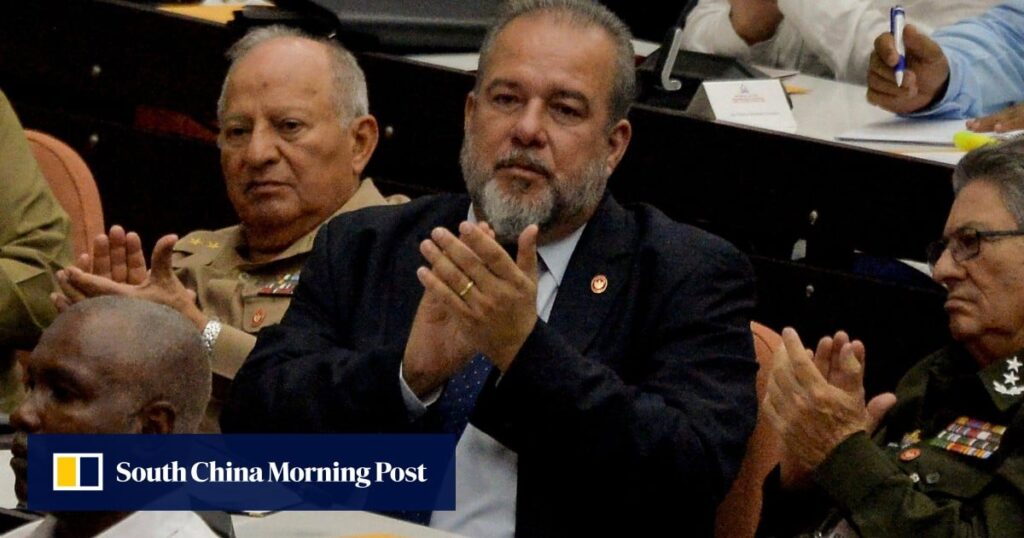
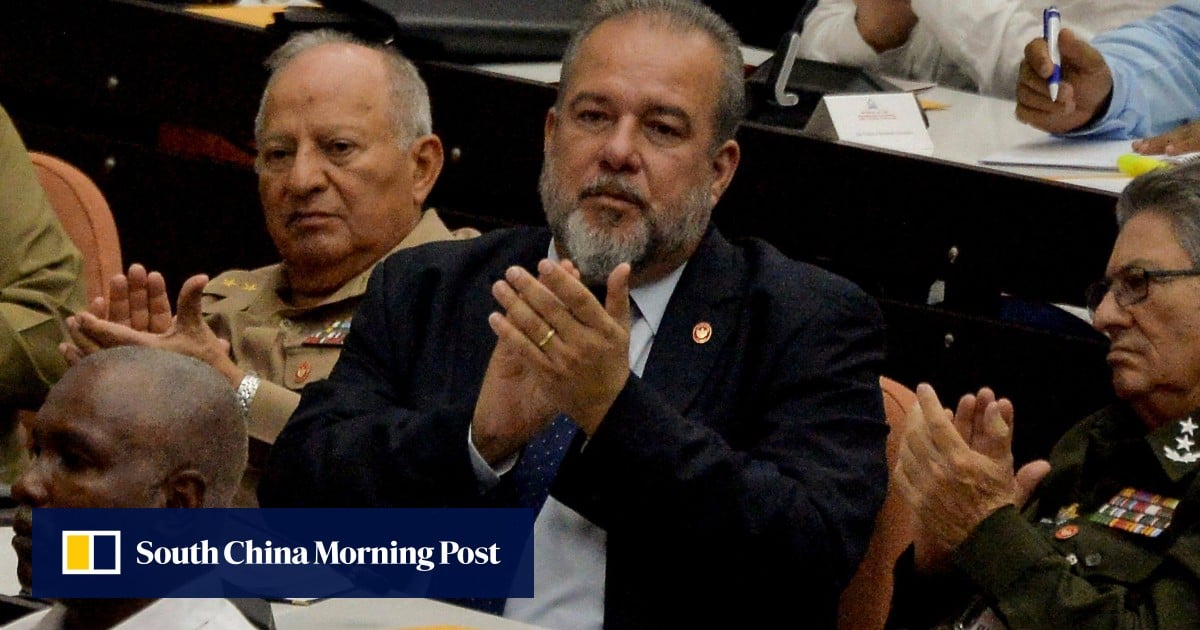
Cuba on Thursday unveiled nearly 200 historic free-market reforms aimed at rescuing the communist island from a severe crisis aggravated by a US oil blockade.
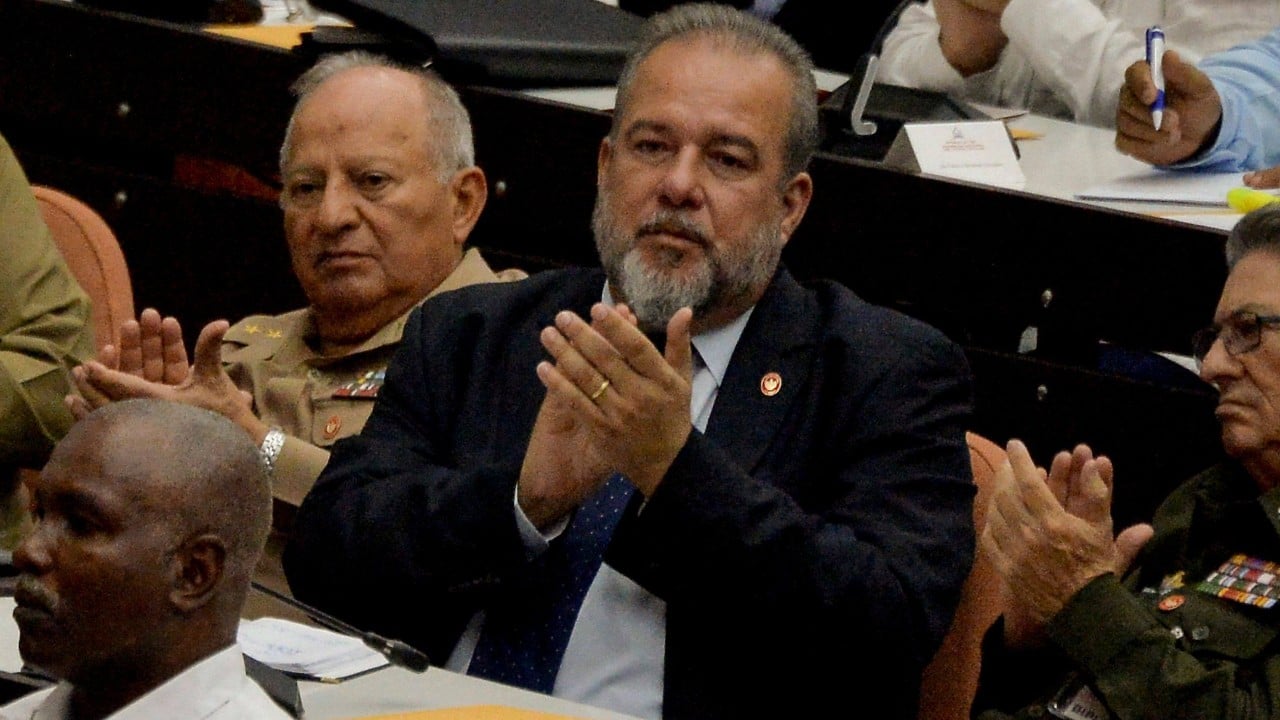
In a landmark speech to the National Assembly, Prime Minister Manuel Marrero detailed 176 measures aimed at rolling back the state’s role in the economy and attracting investment in everything from banking to tourism and agriculture.
These huge changes also come as the United States exerts strong pressure on Cuba aside from the oil blockade and US President Donald Trump muses openly about taking over the island just 145 km (90 miles) from Florida.
Advertisement
The measures are “the most profound economic reform programme” since the 1959 Revolution led by Fidel Castro, said Daniel Torralbas, a London-based Cuban economist.
“It represents a significant shift in the country’s economic development model,” he told Agence France-Presse.
Advertisement
The measures, which have been endorsed by the communist party, are to be put to a vote on Thursday in the National Assembly, seen as a rubber stamp for the regime.
Don't Miss:
-
US wraps up military mission in Iraq, giving Baghdad room to strengthen China ties
-
As China and the EU begin crunch trade talks, optimism is in short supply
-
Data centre opposition is growing in Australia. Is there a middle ground?
-
Helper arrested for allegedly slapping 5-year-old boy after he refuses to eat
-
Workers, mostly Indian, building US consulate in Milan agree to record settlement