
 Statement on missing ICIJ journalist Micah Reddy
  TRANSCRIPT: ‘China Retains Levers for Long-Term Territorial Ambitions’
  On Indonesia’s new oligarchy, China’s state bank, and other stories | Asia Sentinel Stories of the Week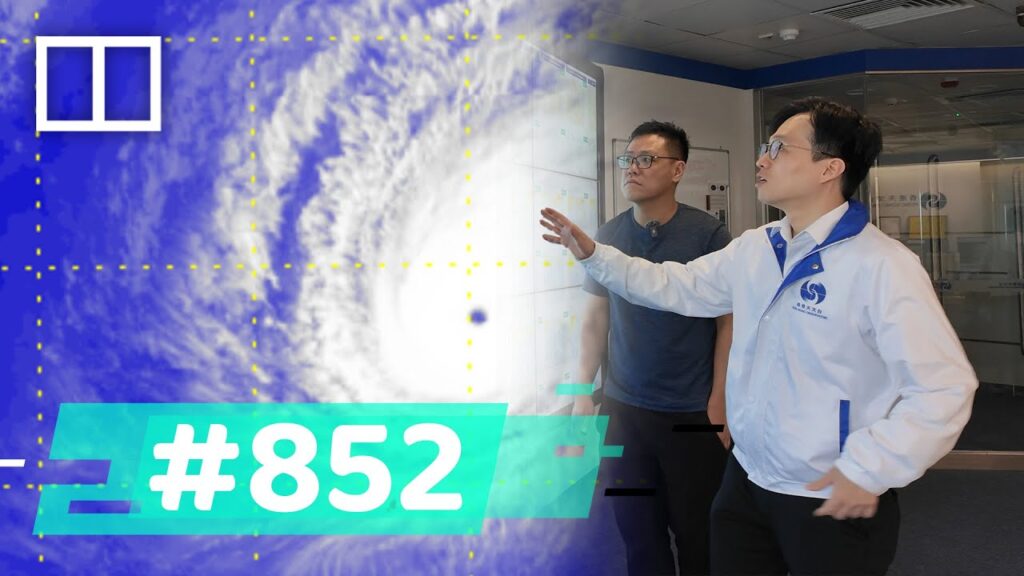
03:33
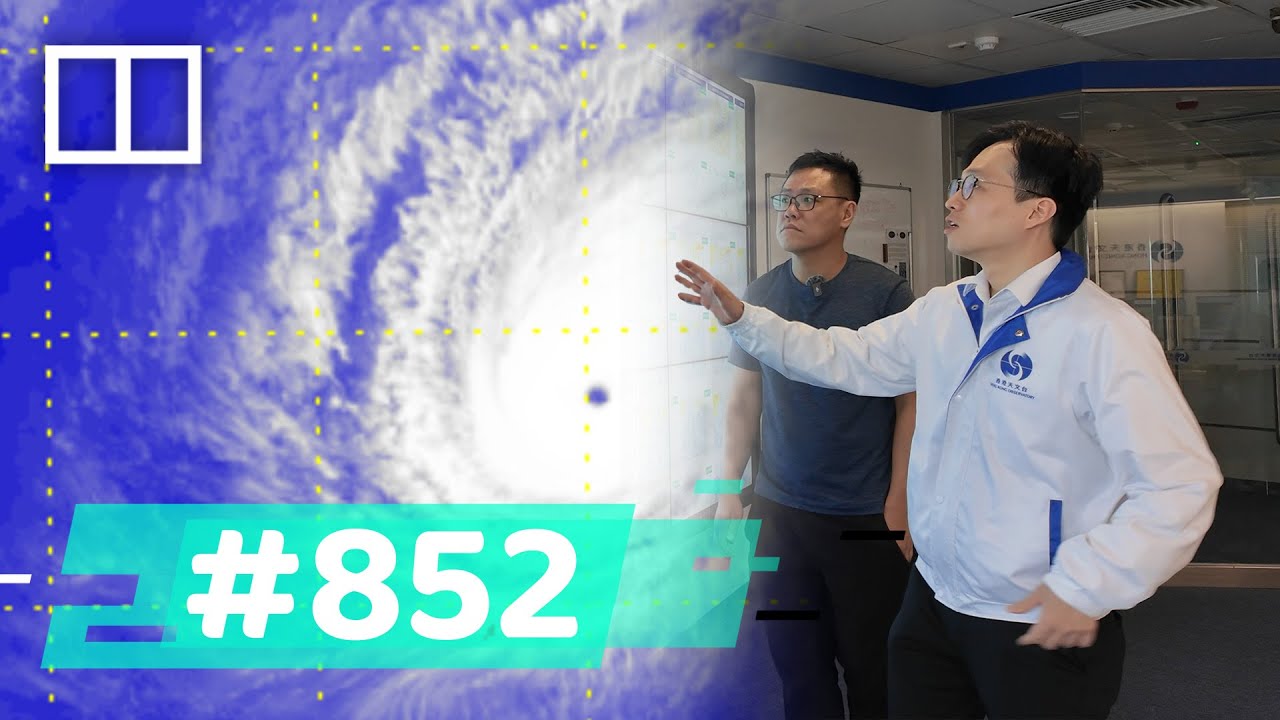
Will AI replace conventional methods in forecasting typhoons in Hong Kong?
Will AI replace conventional methods in forecasting typhoons in Hong Kong?
The breakthrough system, built on nine interacting quantum spins, matched or exceeded the performance of a classical reservoir network with 10,000 nodes in multi-step weather prediction tasks.
Advertisement
The findings were reported on March 25 by a joint team from the University of Science and Technology of China (USTC) and the Chinese University of Hong Kong. They were published in Physical Review Letters, a top physics journal, and supported by national research funding programmes in China.
In the United States, government and private investment in AI-driven weather forecasting alone has surged into the hundreds of millions of dollars.
Advertisement
The National Oceanic and Atmospheric Administration has invested almost US$100 million in upgrading its Rhea supercomputing system, while legislation such as the TAME Act authorises nearly US$188 million over five years for AI weather research.

Don't Miss:
-
Middle powers don’t have to wait for a Trump-Xi-Putin summit
-
Woman dies after suspected dog attack in Hong Kong’s Yuen Long
-
Murder trial of slain Hong Kong socialite Abby Choi’s former relatives to begin
-
University calls for government funds for shared sites in Northern Metropolis
-
‘Staunch patriot, close friend’: Beijing official hails Tung Chee-hwa’s legacy