
 Philippine VP Sara Duterte’s Impeachment Trial Narrows as Stakes Remain High
 Indonesia Stock Market Faces MSCI Exile over Poor Governance
 The Taliban’s New War Begins at Home
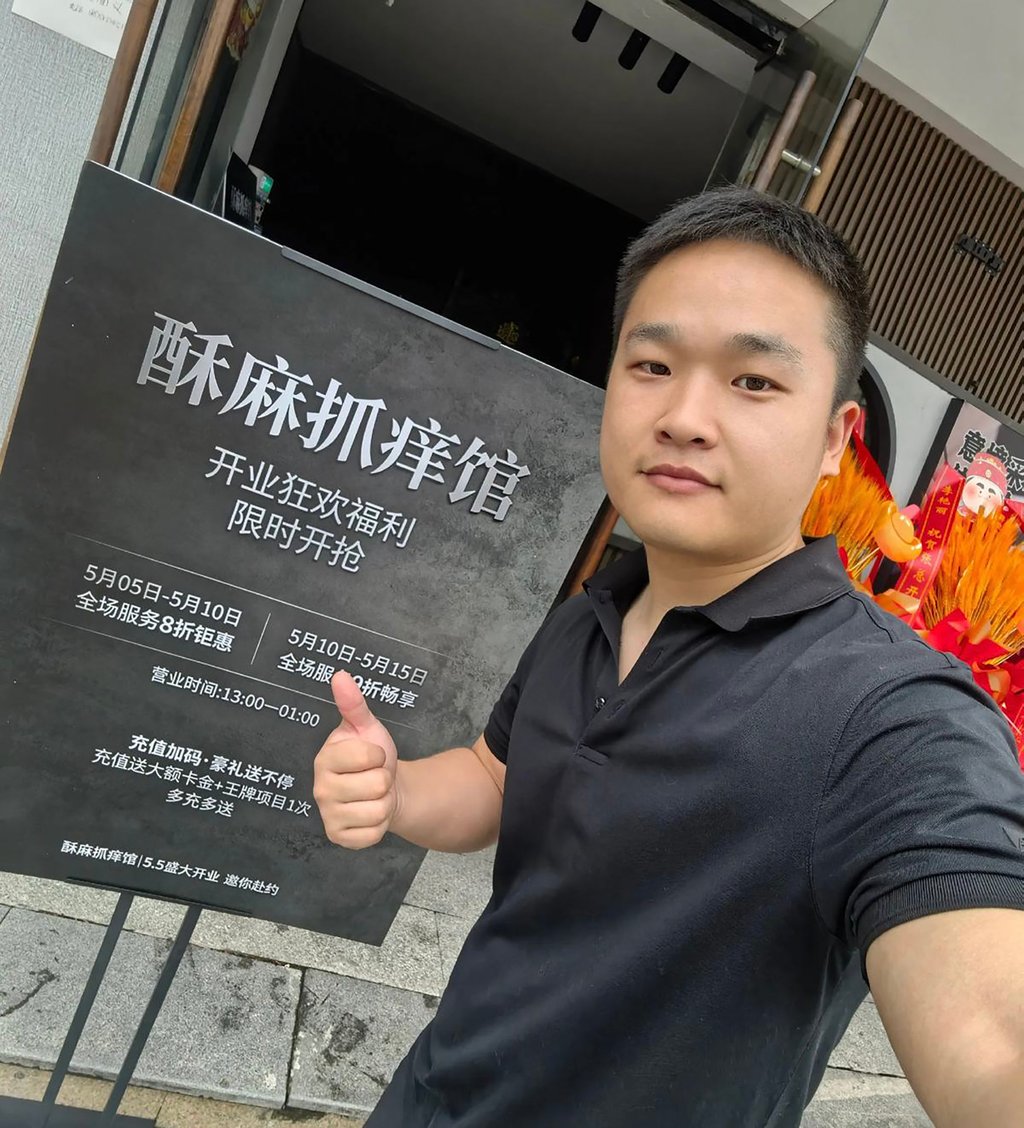
A man in southern China has launched an itch-scratching chain brand, generating monthly earnings of 100,000 yuan (US$15,000) from his two outlets.
This surprising venture is spearheaded by 32-year-old Zhang Xiaoqiao, who opened his first itch-scratching store in Shenzhen’s Baoan District in early May, followed by a second location in the city’s Futian District a month later, as reported by the Xiaoxiang Morning Herald.
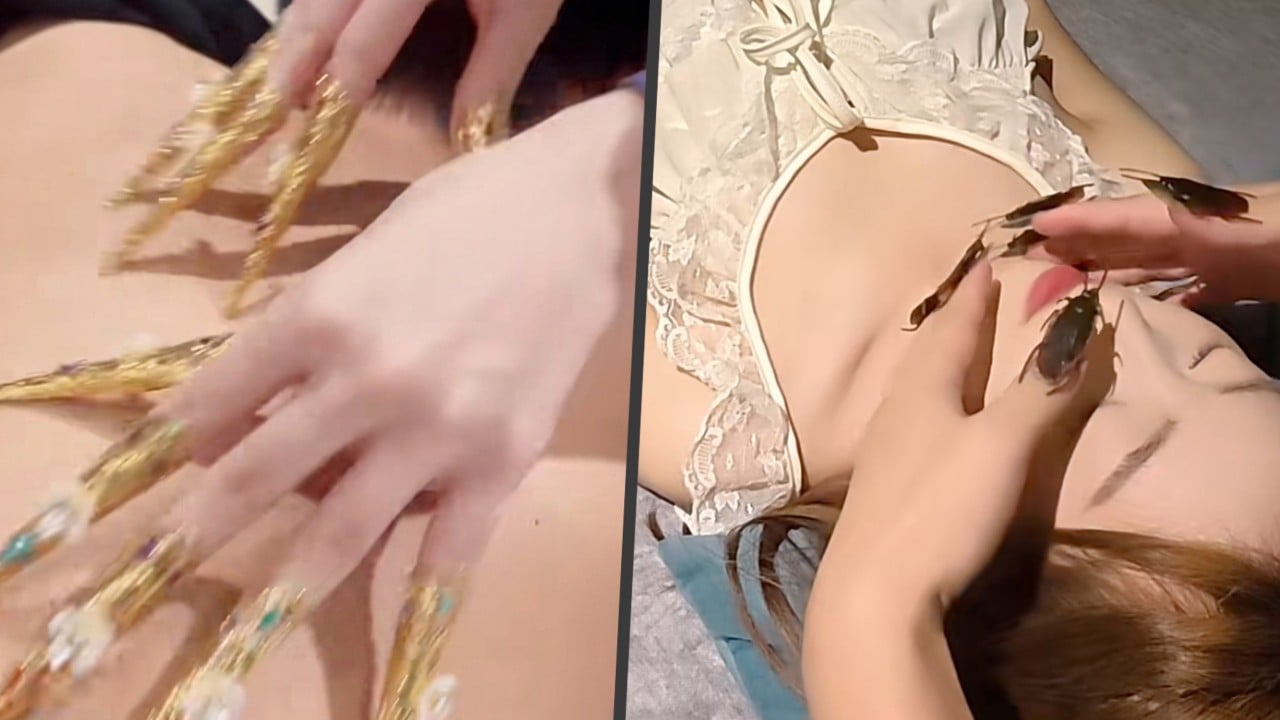
At these two venues, branded as Suma, staff wear specially designed pointed nails to gently scratch customers’ bodies while they lie face down on beds, similar to a massage setting.
Charging 300 yuan (US$40) per hour, the service aims to alleviate stress and enhance sleep quality. Occasionally, staff will scratch specific itchy areas to help customers relax and even elicit laughter.
“In first-tier cities, people generally experience high levels of stress. As a result, this service is in great demand,” Zhang shared with the media.
Since there are no precedents for this type of service in China, Zhang had to independently research and develop effective scratching techniques from the ground up.
According to Zhang, his two stores collectively generate a gross income of 100,000 yuan monthly and have already reached the break-even point while also starting to turn a profit.
“We serve both male and female customers, with males comprising about 70 per cent,” Zhang noted. “Some customers have said our service is more relaxing than a massage, leading to a strong base of returning clients.”
Don't Miss:
-
Captain Sol: The Ghost Who Controlled Customs and Ran the Government’s Illegal Fuel Trade
-
Former Chihuahua Prosecutor Arrested for Allowing CIA Officers to Operate in the Region
-
Mexican Authorities Target the Network of U.S.-Indicted “Carlitos Rugrats”
-
Drug Trafficking, U.S. Banks, and the Economic Reality Under Trump
-
Ivan’s Mob Beheads A Los Mayos Member