
 From Iran to China: An Emerging Trans-Central Asian Corridor
  New documents show how a retail chain’s sales practices helped put guns on US streets
  Singapore a battleground of commodities fraud lawsuits
 For generations, China’s brightest science and technology minds followed a well-worn path: board a Westbound flight and claim a seat at a globally renowned university.
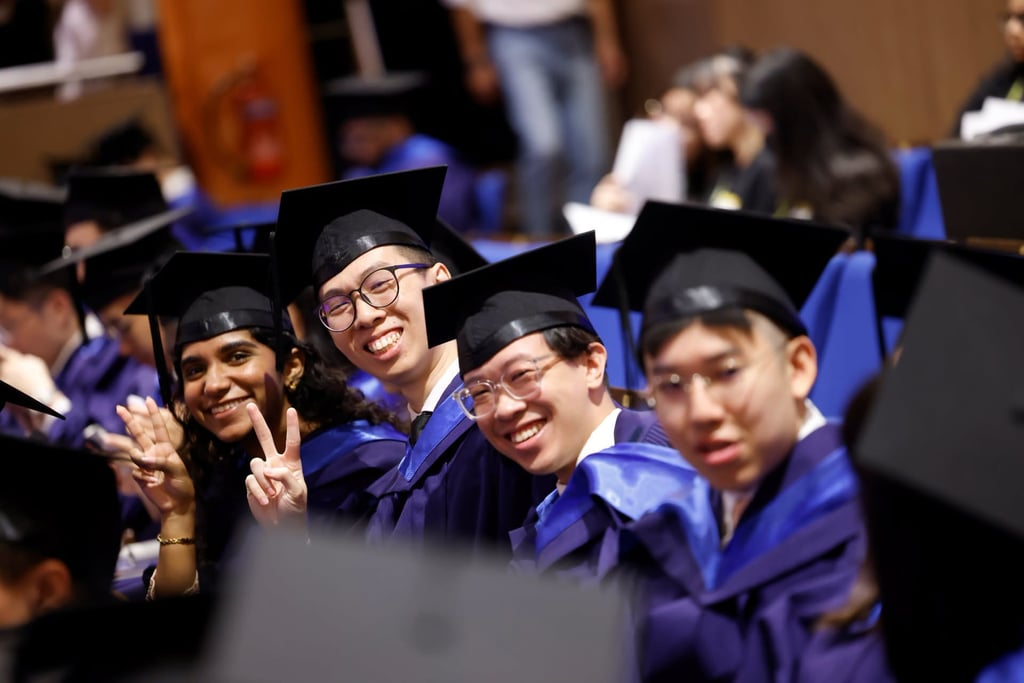
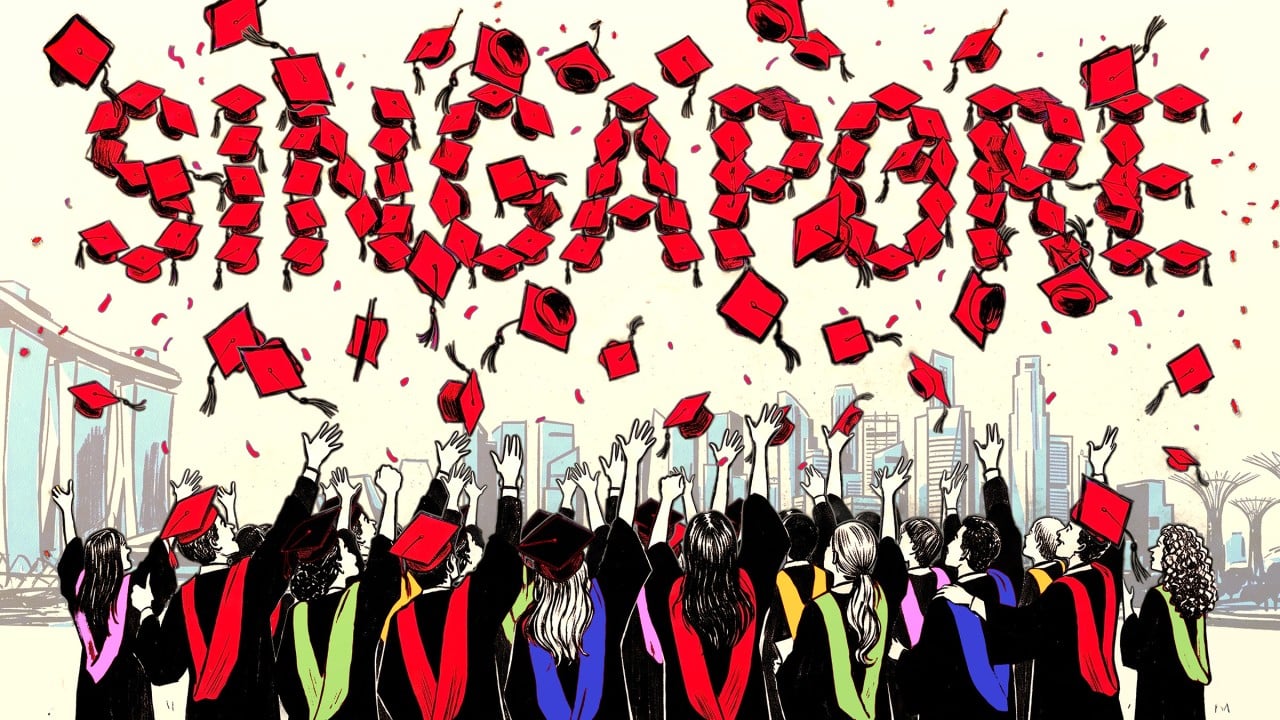
Singapore’s China scholarship pipeline
Among the pull factors is a decades-long, state-backed scholarship programme aimed at channelling top Chinese science students to Singapore: the Senior Middle 2 (SM2) scholarship programme.
Launched in 1997 as a joint initiative between the Singaporean and Chinese ministries of education, the programme recruits high-achieving second-year high school (Grade 11) youngsters from China to study at the city state’s top institutions, including the National University of Singapore and Nanyang Technological University (NTU).
The Singapore government offers fully funded undergraduate education in science and engineering, along with living allowances. In return, recipients commit to working in Singapore for six years after graduation.
Singapore previously operated the Senior Middle 1 or SM1 programme, recruiting about 300 top-performing mainland Chinese secondary students annually to attend high school and junior college in the city state.
Chinese students and their families are asking where an overseas education can still deliver academic prestige, employability and long-term security
Don't Miss:
-
John Lee promises ‘high-quality’ experience for Apec finance meeting guests
-
John Lee urges public to tune in to Legco debate on city’s 5-year plan, policy address
-
Hong Kong prepares reforms, accountability measures ahead of Tai Po fire report
-
Turkmenistan grows its arsenal of Chinese air defences as Russia’s role shrinks
-
India sizes up US F-35 stealth jets in landmark first on home turf