
 When Great Powers Talk, Who Speaks for Asia
  About the China Capital investigation
  Frequently asked questions about the China Capital investigation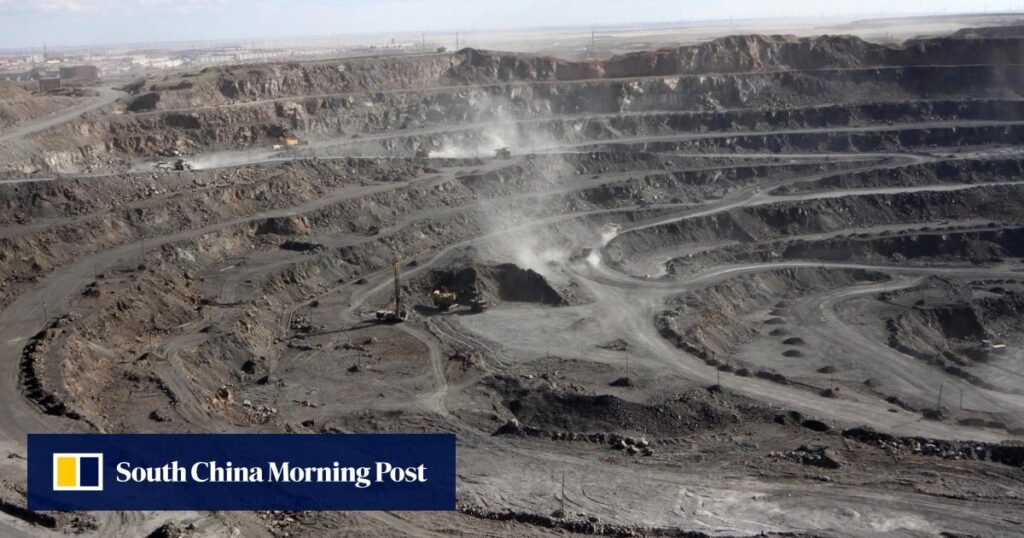
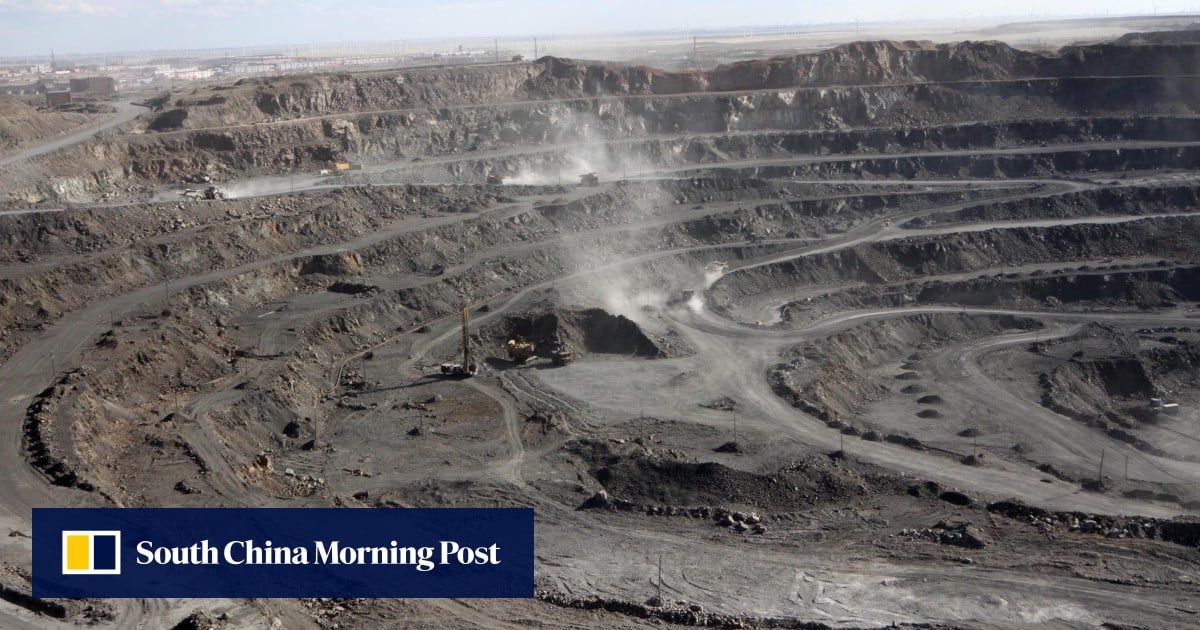
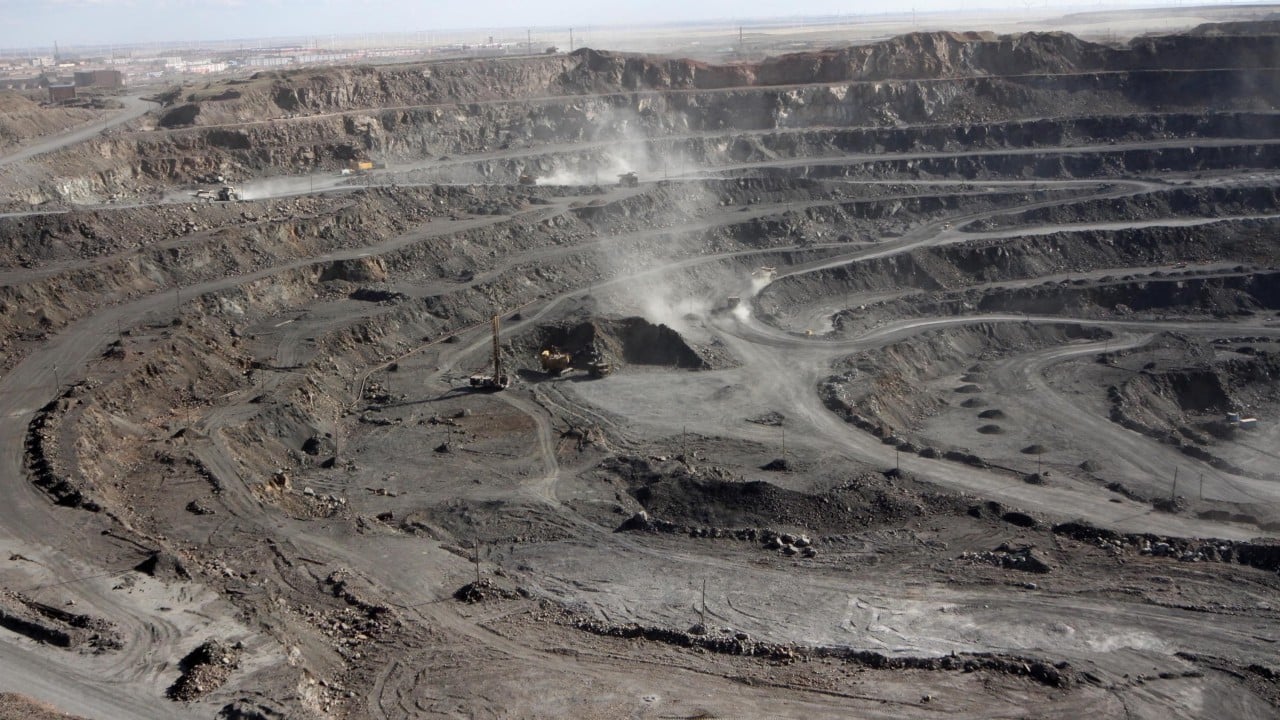
The world’s largest known rare earth deposit in northern China could contain far more resources underground than currently reported, according to a leading Chinese geologist.
According to Yang Li, a Peking University geologist, “Bayan Obo’s rare earth resources have been the dominant source of global rare earth production since the 1990s.”
Even so, scientists now believe the currently reported figure of reserves may not represent the full geological potential of the region.
A 2025 study led by Yang found that Bayan Obo was not formed through a single geological event but through multiple stages of carbonatite activity – when volcanoes erupt runny, cool-burning lava made mostly of carbonate minerals – including a younger mineralisation event that played a vital role in forming the deposit.
“Our most important finding is that Bayan Obo not only contains 1,300 million-year-old igneous carbonatite but also 430 million-year-old carbonatite, and the second phase was key to mineralisation,” Yang said of the study published in the journal Science Advances.
Don't Miss:
-
China urges ‘constructive dialogue’ with EU in high-level call with France
-
Hong Kong airport builds third runway with strategy to help marine environment thrive
-
Cambodia, Thailand take US$300 billion seabed dispute to UN
-
Hong Kong visitor arrivals hit post-pandemic monthly high in August
-
Indonesian finance minister found out about his firing in mid-meeting phone call