
 Tunisian court dismisses case to dissolve publisher of ICIJ partner Inkyfada
  Prabowo Faces Growing Discontent as Jokowi Revives His Political Ambitions
  Five years after the Pandora Papers, transparency laws lose their teeth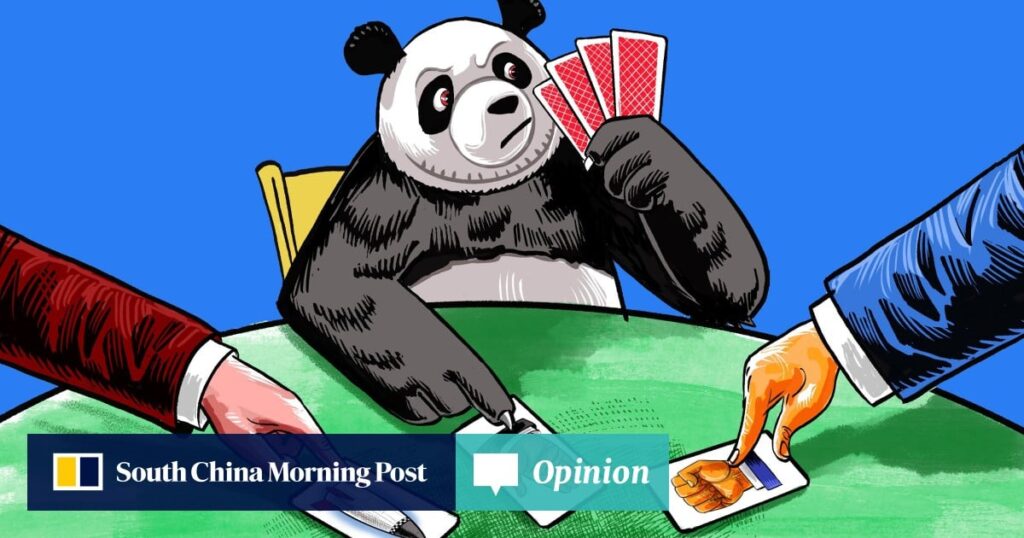
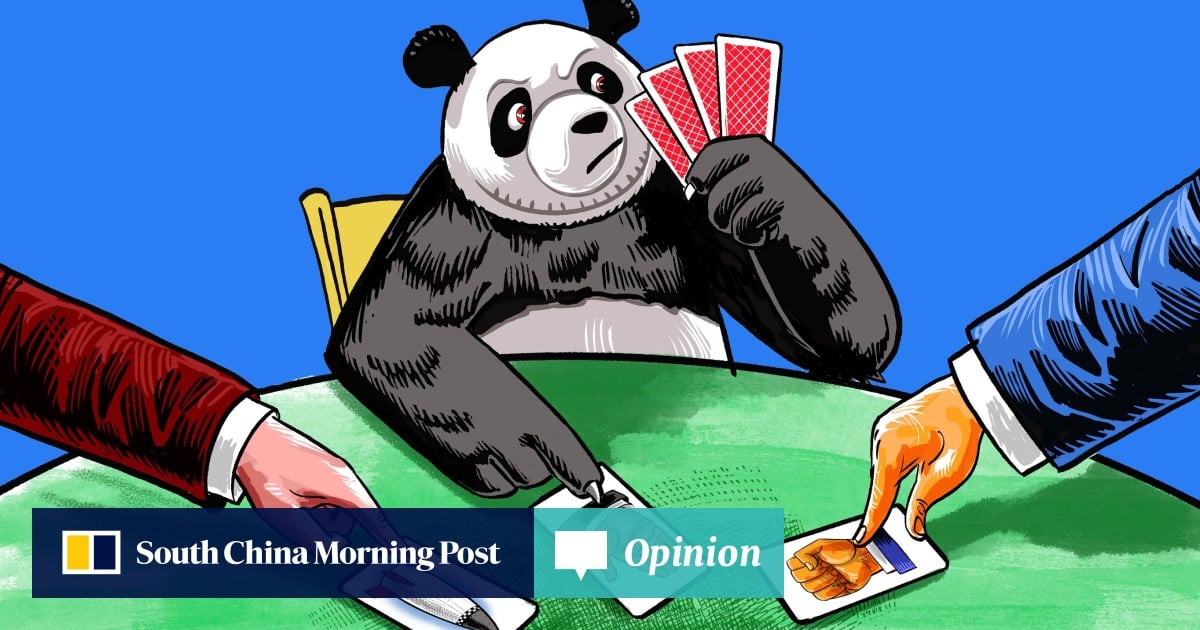
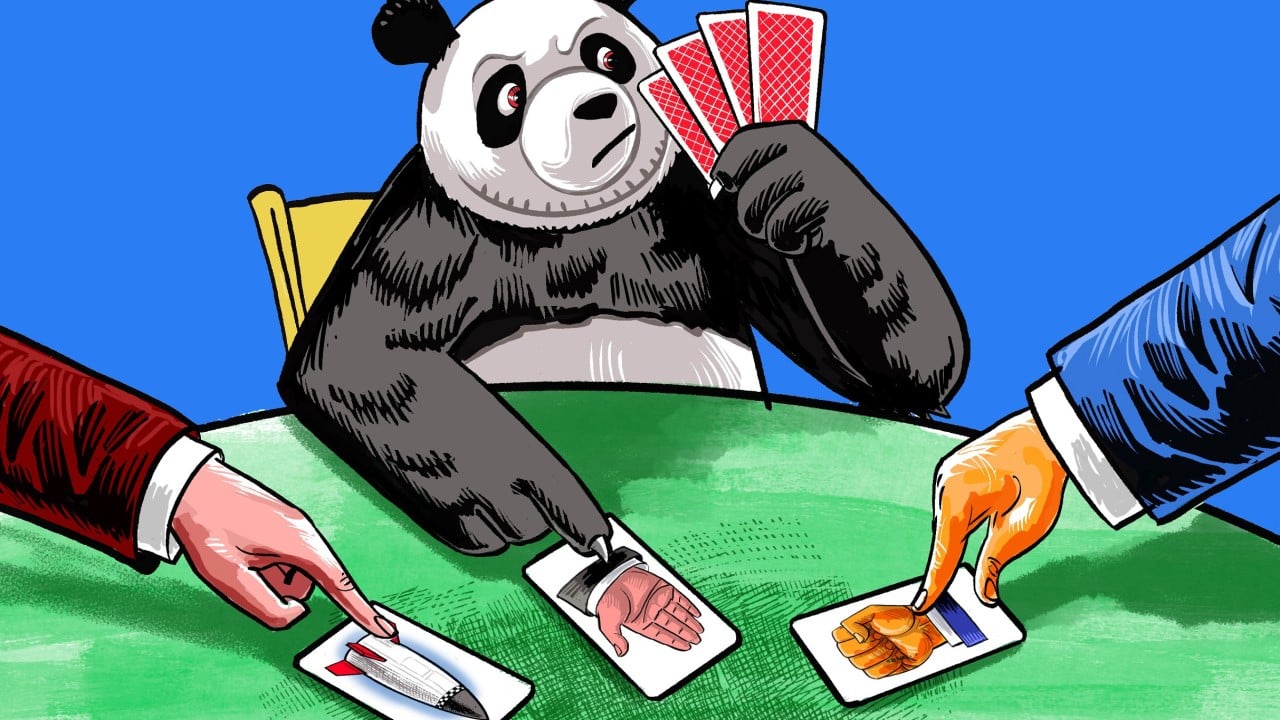
The spectacle of US President Donald Trump thanking China for staying “neutral” with regard to the US-Israeli war against Iran would have been unthinkable a year ago.
Yet at the Group of Seven summit in Evian-les-Bains, France, on June 17, he credited Beijing – alongside Moscow – with preventing a full-blown catastrophe. His observation that China “could have sent in an oil ship with six destroyers alongside of it, on each side” but chose restraint, captured the essence of Beijing’s strategic poise: a demonstration of power that needed no overt display.
That restraint was underpinned by quiet but decisive leverage. Tehran’s gratitude was palpable. Iranian officials, from the foreign ministry to the embassy in Beijing, publicly expressed appreciation for China’s role.
Advertisement
Behind closed doors, Beijing delivered messages urging flexibility. This was not coercion but influence rooted in interdependence: China is Iran’s largest oil customer, a primary financial lifeline and a diplomatic shield.
This leverage was exercised through intense, discreet diplomacy. Since February, Foreign Minister Wang Yi has held dozens of calls with counterparts in Tehran, Islamabad and Persian Gulf capitals, among others. In March, special envoy Zhai Jun undertook a regional shuttle mission to push for dialogue.
Advertisement
China coordinated with Pakistan, supporting Islamabad’s mediation efforts. At the UN, Beijing framed the conflict not as a binary struggle but as a crisis requiring multilateral management – unglamorous work that ultimately paved the way for this week’s 14-point memorandum of understanding.
Don't Miss:
-
Fight at Mazatlán Prison Leaves 10 Dead: A 2-Year-Old Boy Died During a Family Visit
-
Veracruz Mafia vs. CJNG: The Fight for Veracruz
-
Former Michoacán Official Used AI for Extortion: Here’s How They Cloned the Voices of Politicians and Ministers
-
Two Years On, the Sinaloa Cartel War Changes Shape | The InSight Take
-
US wraps up military mission in Iraq, giving Baghdad room to strengthen China ties