
 Rick Claypool on Pay to Play Corporate Crime Enforcement
  Labaton Launches Whistleblower Practice with Former SEC Acting Chair Allison Herren Lee
  Kremlin payment firm A7 has been pumping billions in ‘untraceable’ cash into global financial system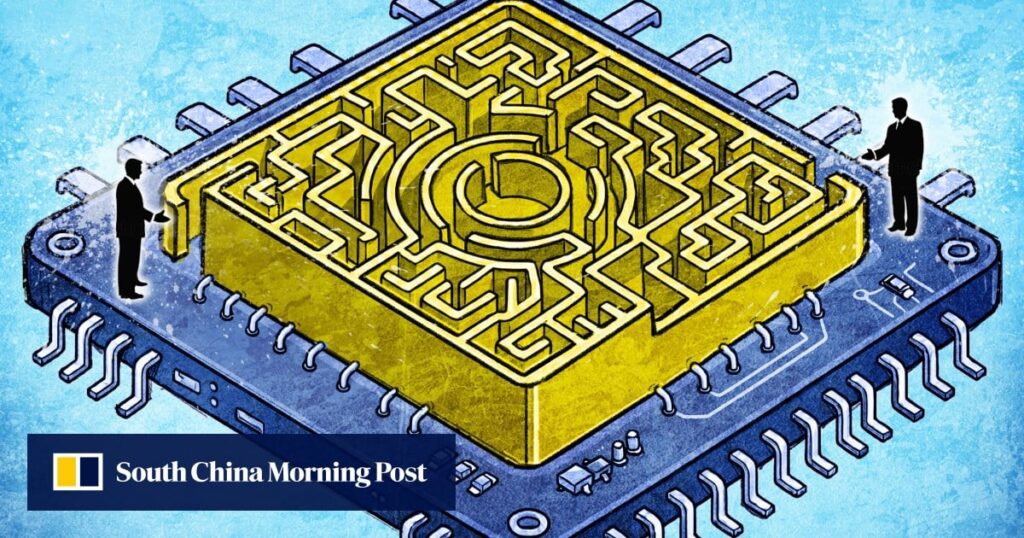
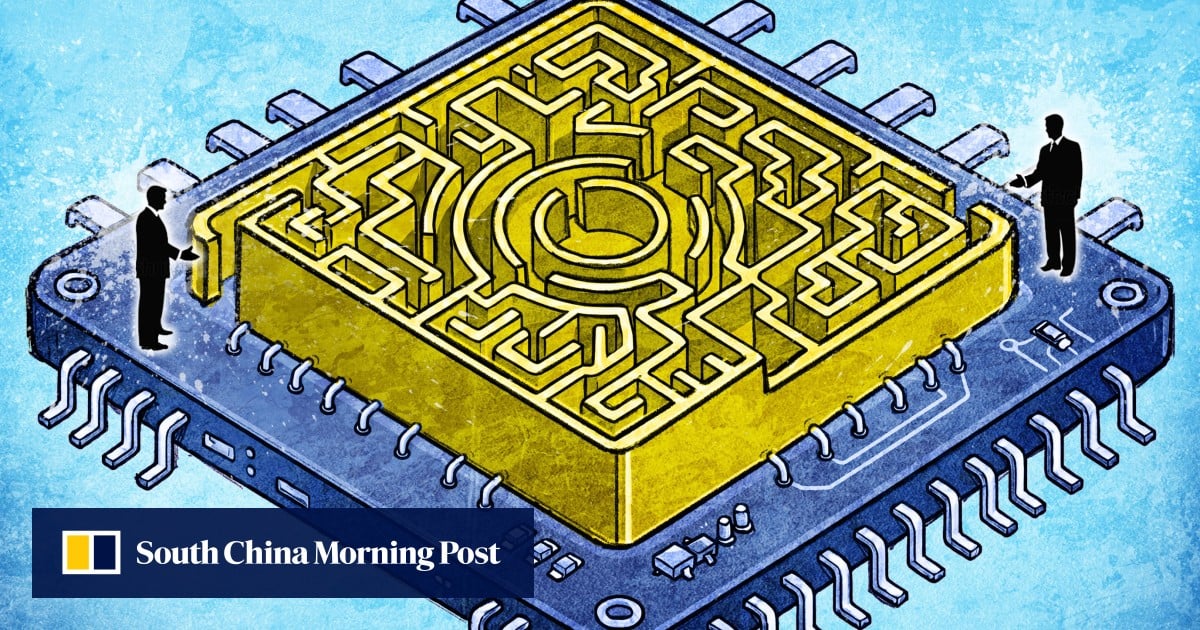
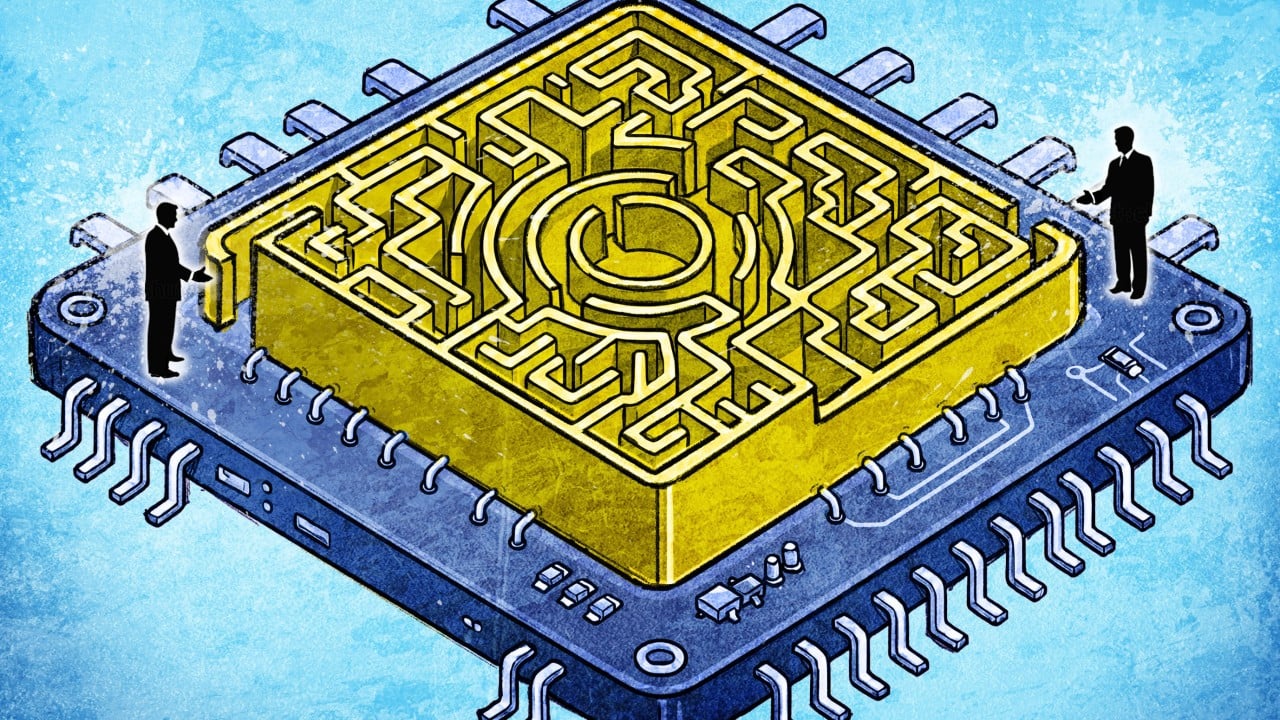
US President Donald Trump’s landmark visit to China comes as the US-Iran war disrupts global energy supplies, fuels economic uncertainty and adds fresh strain to Washington-Beijing ties. In this story, part of a series examining how rivalry, interdependence and geopolitical crises are reshaping the relationship between the two powers, we examine how artificial intelligence (AI), chip controls and competing technology ecosystems are redefining US-China rivalry.
Advertisement
Barely managing a few bites of his dinner, he breezed through a marathon of media interviews and accepted a stream of selfie requests from guests. The rock star treatment even spilled into the hotel lobby when he left, where Huang patiently signed autographs for star-struck fans.
Advertisement
The developments underscore the rapid rise of China’s AI industry and its decreasing reliance on Nvidia’s technology, even as chips remain at the heart of the US-China rivalry.
Don't Miss:
-
A Total of 13 Mass Graves Have Been Found in Viesca Containing the Charred Remains of Men and Women
-
Jorge Luis Zambrano, alias “Rasquiña”
-
El Taliban Fell In Mazatlán… And What He Confessed Ties Everything Together
-
Inside the Camp at the Heart of Honduras’ Garífuna Land Struggle
-
This Is How the MataZetas Captured and Executed the Zetas