
 The US is letting a convicted Bolsonaro spy chief stay in Florida. Brazil wants answers.
  Rick Claypool on Pay to Play Corporate Crime Enforcement
  Labaton Launches Whistleblower Practice with Former SEC Acting Chair Allison Herren Lee
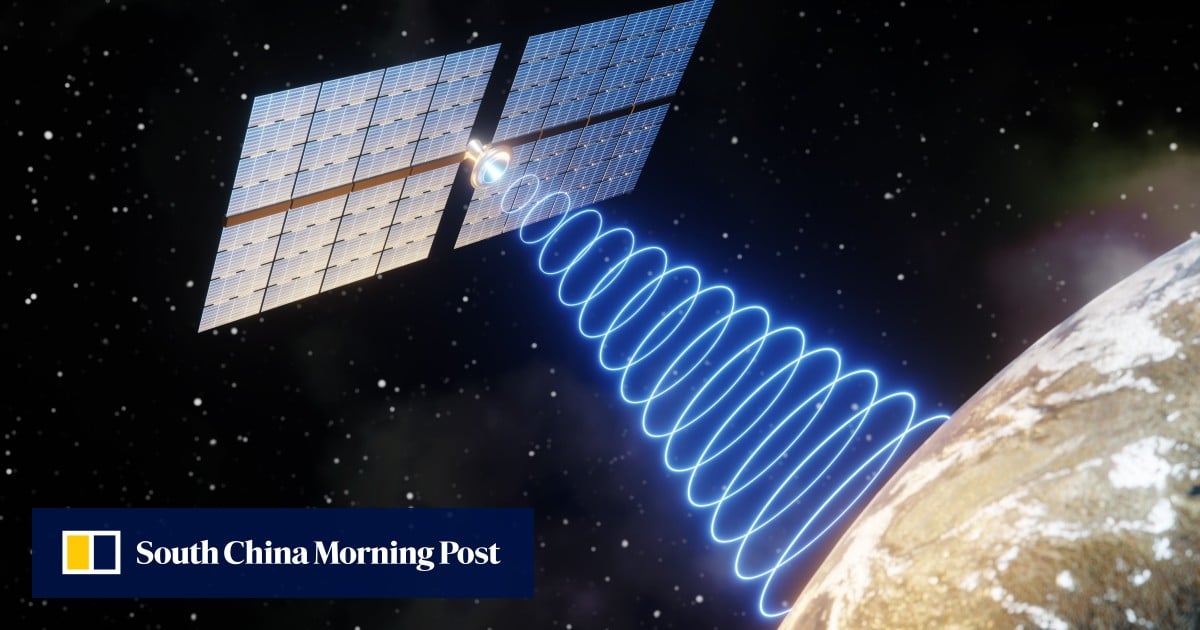
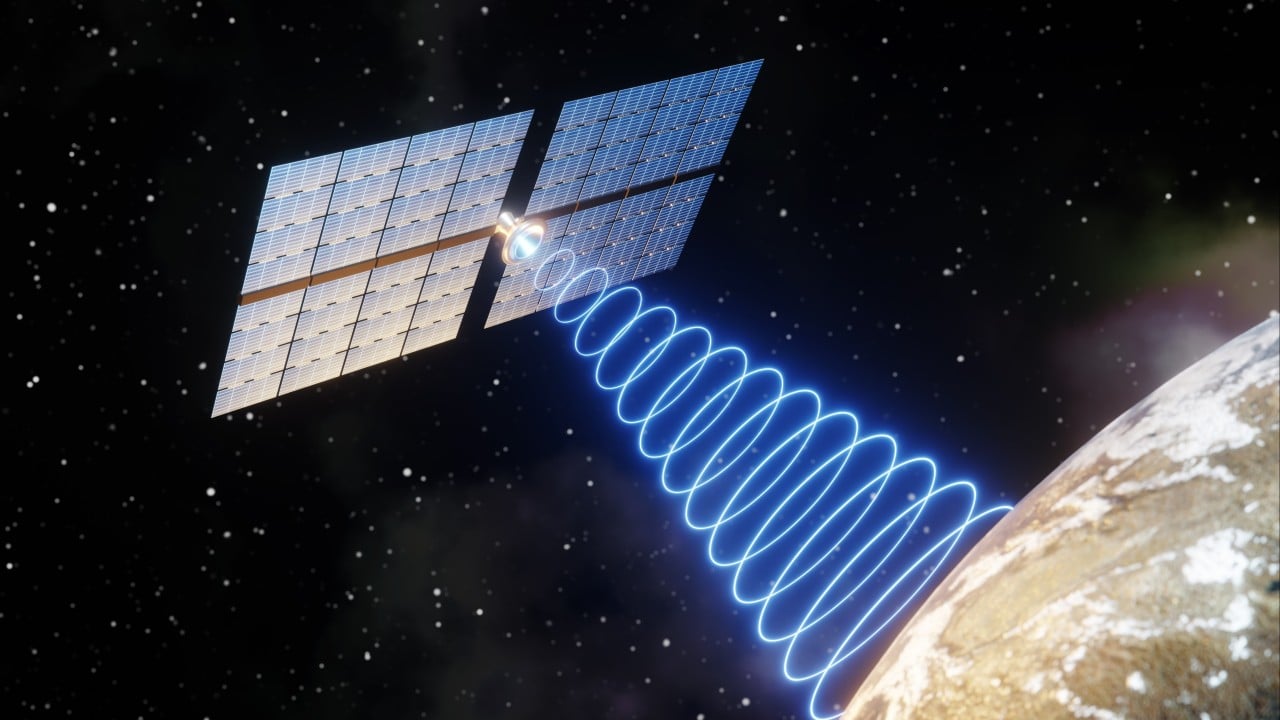
Duan Baoyan, a leading architect of China’s “Zhuri” space solar power initiative, wrote in a paper published in Scientia Sinica Informationis last month, that his team had revamped the design of the giant orbital infrastructure.
In addition to energy transmission, the new system was required to support a wide range of tasks “such as communication, navigation, reconnaissance, interference and remote control”, he said.
Advertisement
Duan, a professor of electromechanical engineering at Xidian University in Xian and an academician of the Chinese Academy of Engineering, also stressed the need for extremely narrow, precisely steerable microwave beams to deliver energy from space to the ground over long distances.
Advertisement
China is one of the world’s leading countries developing space-based solar power. Unlike solar panels on the ground, which are limited by weather, seasons and the day-night cycle, space-based systems can collect sunlight almost continuously.
Don't Miss:
-
Organized Crime Postponed Democracy in Haiti, Again | The InSight Take
-
Unstoppable Violence in Michoacán: 31 Police Officers Killed, and Criticism of the Government Mounts
-
A Total of 13 Mass Graves Have Been Found in Viesca Containing the Charred Remains of Men and Women
-
Jorge Luis Zambrano, alias “Rasquiña”
-
El Taliban Fell In Mazatlán… And What He Confessed Ties Everything Together