
 Rick Claypool on Pay to Play Corporate Crime Enforcement
  Labaton Launches Whistleblower Practice with Former SEC Acting Chair Allison Herren Lee
  Kremlin payment firm A7 has been pumping billions in ‘untraceable’ cash into global financial system
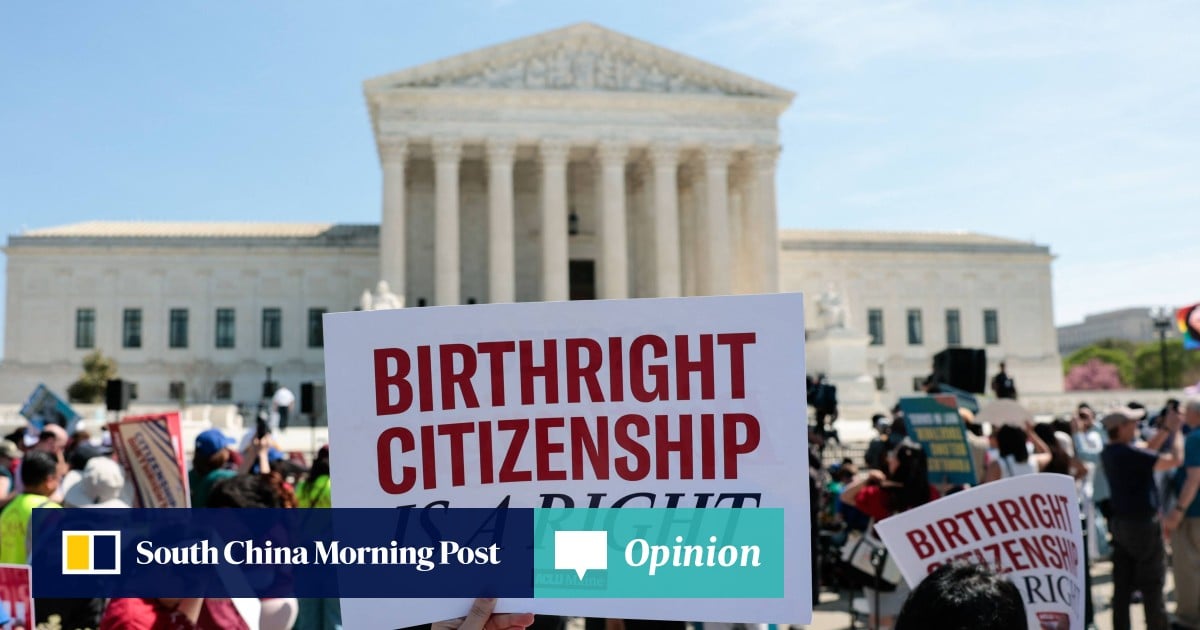
Birthright citizenship has long been considered a settled issue in the United States. It became the law of the land in 1868 with the 14th Amendment to the Constitution that guaranteed citizenship, due process and equal protection to anyone born in the US.
Originally designed to ensure citizenship for slaves brought from Africa, its application was extended to Chinese and other groups in the aftermath of the Chinese Exclusion Act of 1882. It was further solidified by the case that Wong Kim Ark brought to the Supreme Court in 1898. Born in San Francisco to parents from China, he was stopped from re-entering the US and appealed to the Supreme Court, which ruled in his favour, thereby reinforcing birthright citizenship.
Why is this issue again at the centre of deliberations in the US Supreme Court in 2026? In part, this is driven by today’s heated debates over immigration and voting rights, but something deeper is involved as well: American cultural DNA and mental habits.
Advertisement
What is cultural DNA? In a nutshell, it’s the story we tell ourselves about what it means to be a member of a culture or nation. Cultural DNA tends to be long-lasting, resistant to change and unconsciously assumed by members of the culture rather than overtly discussed until it pops up in heated public debate, as we are seeing right now in the US.
In the case of birthright citizenship, two narratives are particularly important. One is a story of radical democracy that takes its cue from the assertion in the Declaration of Independence that “all men are created equal, that they are endowed by their Creator with certain unalienable Rights”.
After the American civil war, the radical democracy narrative was used primarily in the struggle against racism, but over time it expanded its purview to include gender, class and other issues.
Advertisement
Don't Miss:
-
A Total of 13 Mass Graves Have Been Found in Viesca Containing the Charred Remains of Men and Women
-
Jorge Luis Zambrano, alias “Rasquiña”
-
El Taliban Fell In Mazatlán… And What He Confessed Ties Everything Together
-
Inside the Camp at the Heart of Honduras’ Garífuna Land Struggle
-
This Is How the MataZetas Captured and Executed the Zetas