
 On China’s territorial push, coal’s comeback, and other stories | Asia Sentinel Stories of the Week
  Hasina’s Shadow Dogs Bangladesh ties with India
  Philippine Power Crisis Gives Coal an Uncomfortable Second Life
 “I wondered what sort of a nut it was,” the 58-year-old said with a laugh, looking out over the deep valley and terraced rice fields that unfold below her farm.
Now she has more than 140 hazelnut trees on the steep slope overlooking her home, and incorporates them into Bhutan’s traditional salted suja tea when guests visit.
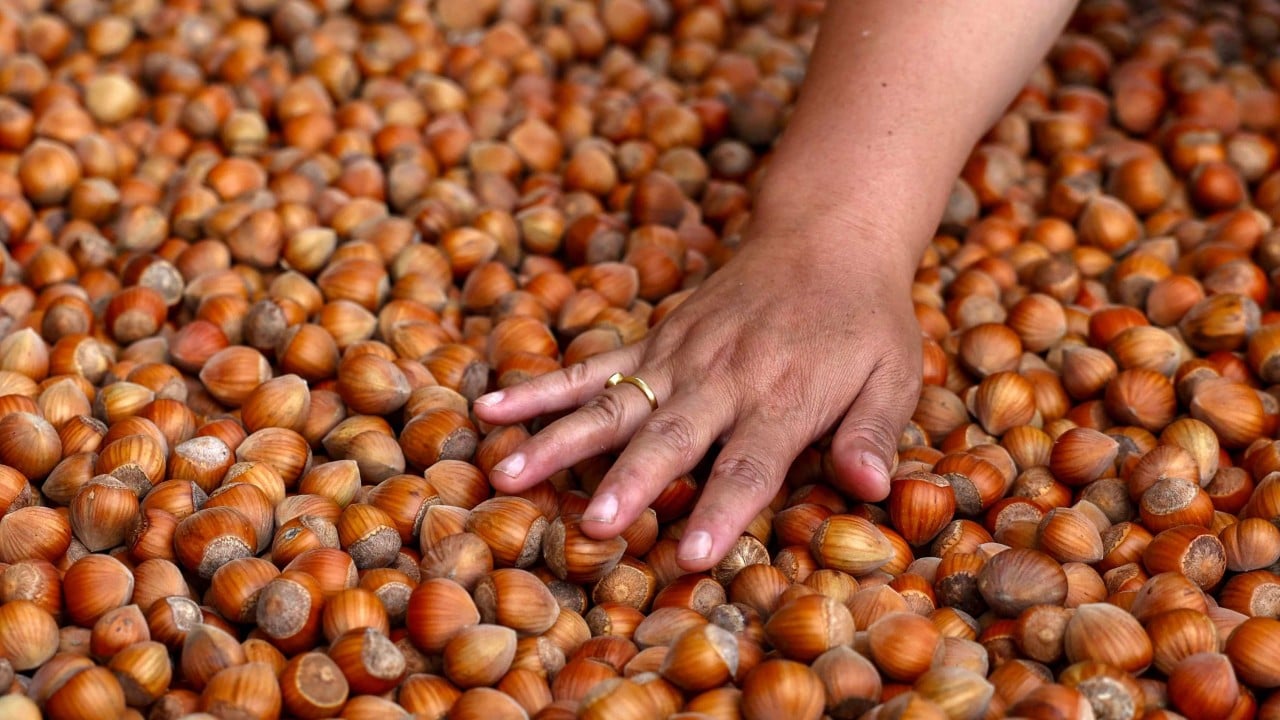
Pema is one of thousands of Bhutanese growing hazelnuts as part of a social enterprise hoping to help subsistence farmers develop a high-value crop.
Mountain Hazelnuts began in 2009 as Bhutan’s first 100 per cent foreign direct investment project in the agriculture sector.
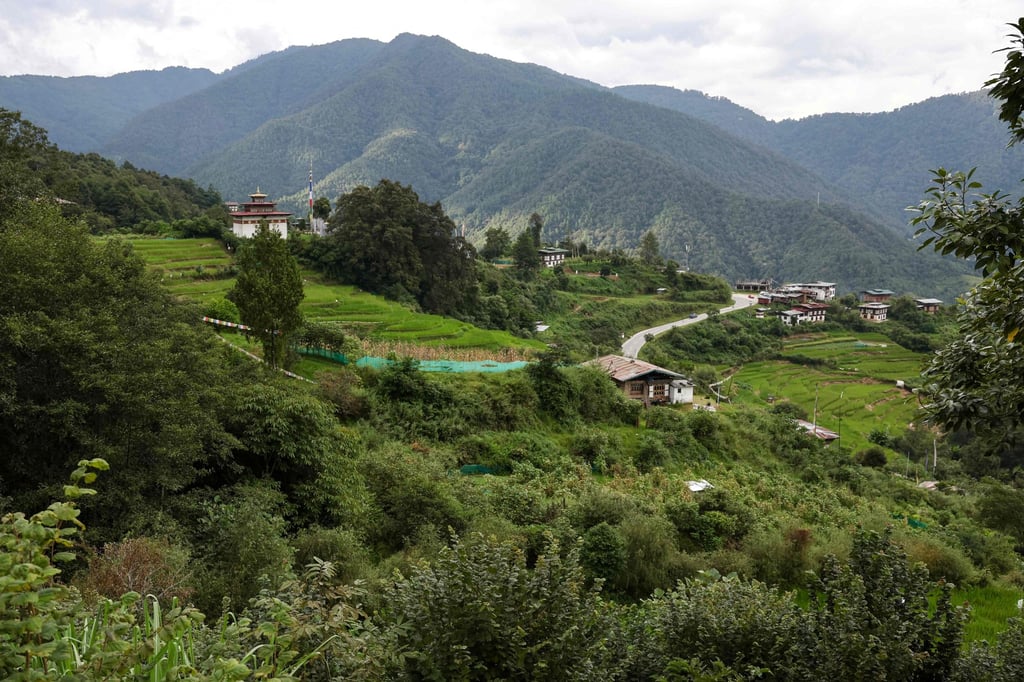
More than 40 per cent of Bhutan’s workforce is employed in agriculture, but production remains largely subsistence-based and is complicated by the country’s mountainous terrain.
Don't Miss:
-
US wants Taiwan to ‘serve as cannon fodder’ against mainland China: state broadcaster CCTV
-
330-gram premature Chinese baby defies the odds to reach 2.5kg in 105 days, heads home
-
Hong Kong to table cooling-off period bill for beauty, fitness deals by mid-2027
-
Unvaccinated children, elderly face much higher risk of major flu complications: official
-
Foie gras, puppies, water parks: North Korea gets a glow-up