
 How Hungary’s richest man funneled millions into Orbán’s propaganda machine
  How Real Is the US Withdrawal from the Middle East?
  From Iran to China: An Emerging Trans-Central Asian Corridor
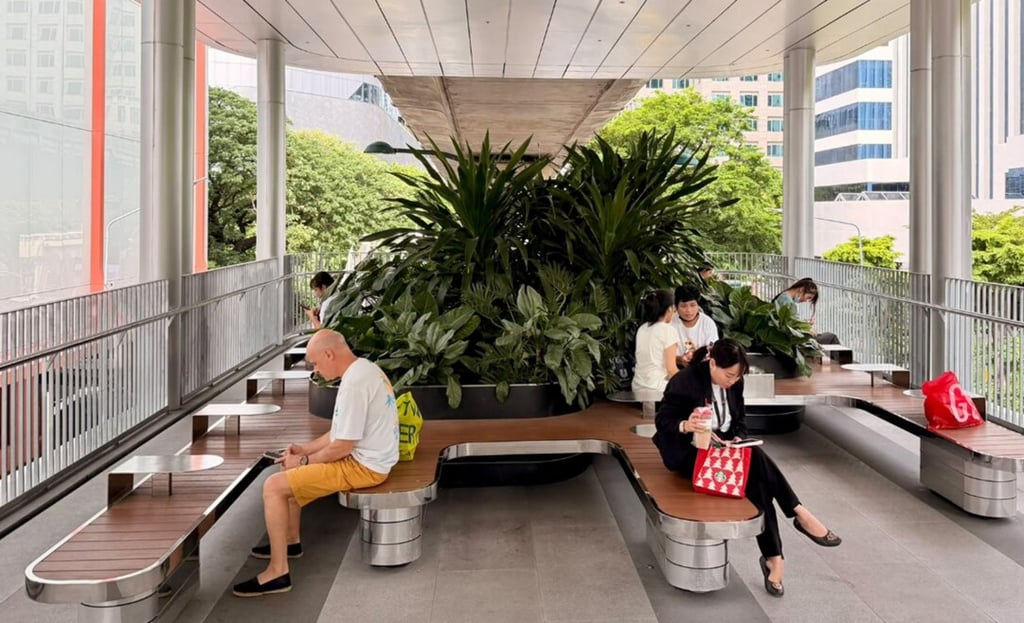
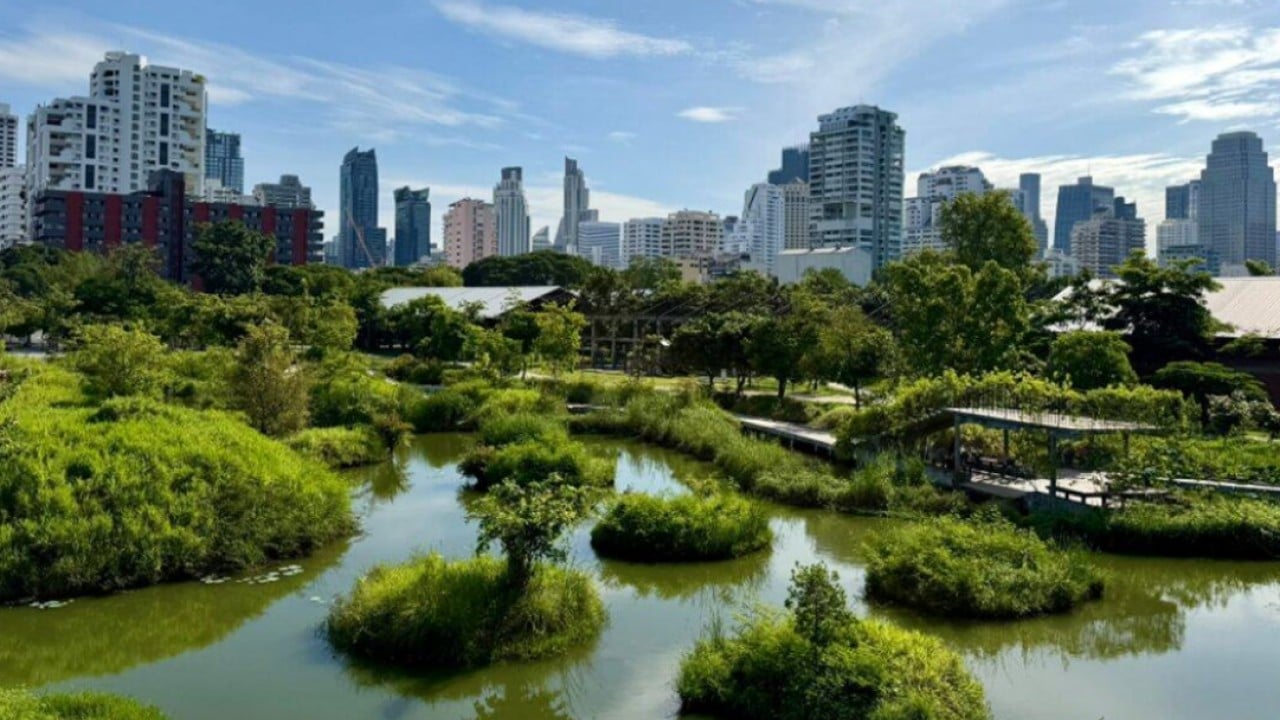
 Despite their novelty, the city’s greening efforts are already bearing fruit. Visitors returning to Bangkok after the pandemic are often surprised by how green and walkable the city has become. It comes as a nice surprise given the city’s long-standing reputation as a concrete jungle with chronic traffic jams and accompanying air pollution.
It is even more unusual considering how Thai politics, in the last two decades, has been highly polarised. Bangkok’s early success in urban greening shows that it is possible, despite contentious politics and a divided and highly unequal society, to build a societal consensus around making the city greener.
There are three lessons from Bangkok’s urban greenery playbook that other cities, including Hong Kong, should pay heed to.
Clear goals
This first is to set clear, measurable goals. In December 2019, the Bangkok Metropolitan Administration (BMA) launched the Green Bangkok 2030 initiative that set three ambitious targets:
Don't Miss:
-
US wraps up military mission in Iraq, giving Baghdad room to strengthen China ties
-
As China and the EU begin crunch trade talks, optimism is in short supply
-
Data centre opposition is growing in Australia. Is there a middle ground?
-
Helper arrested for allegedly slapping 5-year-old boy after he refuses to eat
-
Workers, mostly Indian, building US consulate in Milan agree to record settlement