
 On China’s territorial push, coal’s comeback, and other stories | Asia Sentinel Stories of the Week
  Hasina’s Shadow Dogs Bangladesh ties with India
  Philippine Power Crisis Gives Coal an Uncomfortable Second Life
 Bessie* left the Philippines for Malaysia more than a decade ago to care for other people’s children. She stayed to look after their parents instead.
Certified as a carer, she now freelances around Kuala Lumpur’s Klang Valley, earning up to 25 ringgit (US$6) an hour for round-the-clock shifts, with clients providing her meals, transport and housing.
“My former employer was very understanding and offered to release me earlier so I could earn a higher salary as a caregiver,” the 50-year-old said.
Her career path is, in miniature, the story of many of Southeast Asia’s carers. Malaysia is often a way station: a place to earn a certificate and some experience before moving on to better paid work, sometimes with a path to residency, in Japan, Canada or Europe.
“A lot of caregivers from the Philippines come to Malaysia or Singapore to work for a while, before they relocate,” Bessie said, adding that, unlike so many others, she planned to stay put.
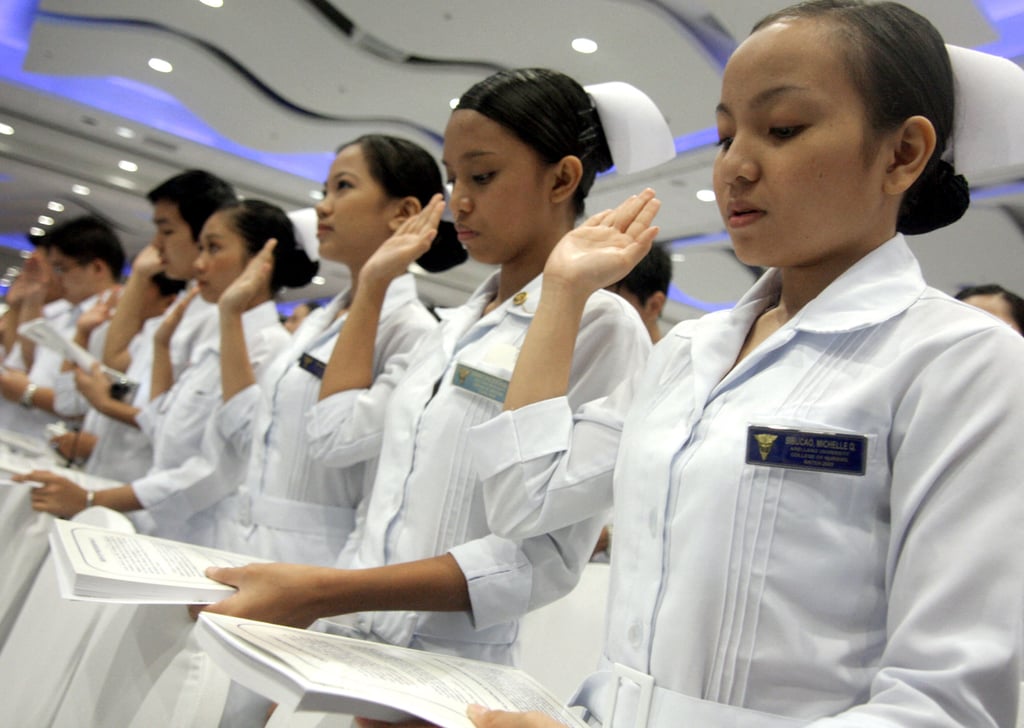
The region’s wealthier economies are now competing for a workforce that is thinning out as it moves around.
Don't Miss:
-
China’s anti-corruption law is going global. What does it mean for overseas firms?
-
The US and China are racing to build ‘self-improving AI’. Here’s what’s at stake
-
Houthis hit Saudi base amid renewed fighting with Yemen government forces
-
J.D. Vance group courted Brazil’s Flavio Bolsonaro over anti-China rare earth deal: report
-
Celine Dion makes long-awaited return to stage in Paris