
 How Hungary’s richest man funneled millions into Orbán’s propaganda machine
  How Real Is the US Withdrawal from the Middle East?
  From Iran to China: An Emerging Trans-Central Asian Corridor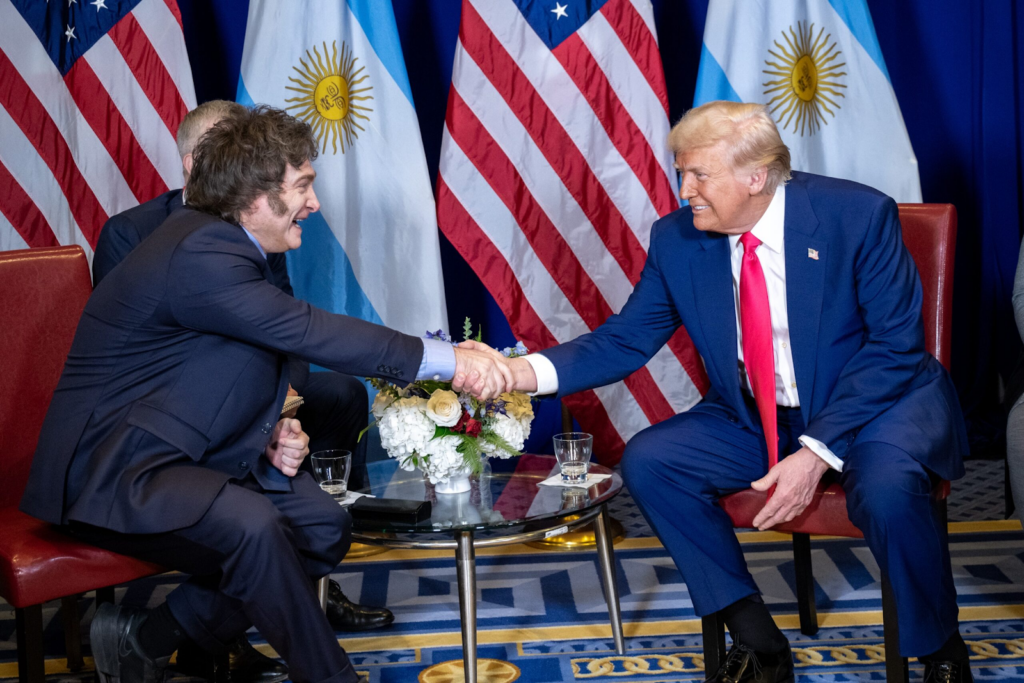
By “El Huaso” for Borderland Beat
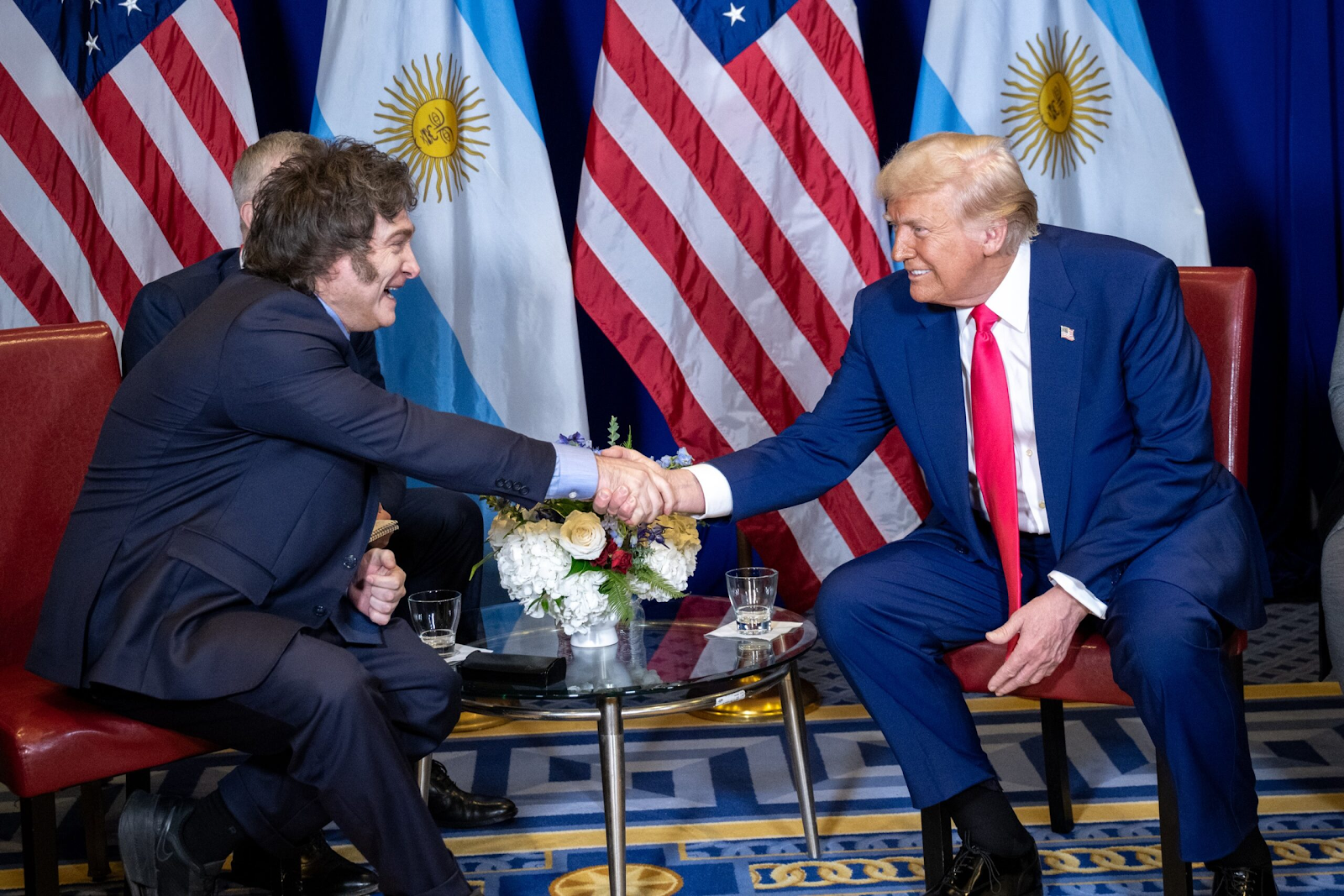
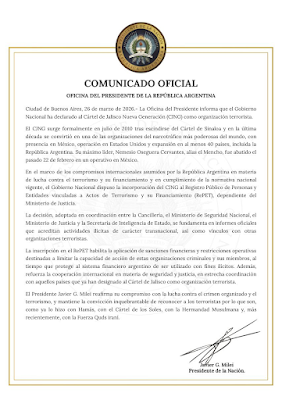
This morning, the Argentine government declared the Jalisco New Generation Cartel (CJNG) a terrorist organization. The designation, the first in Latin America, signals alignment with the Trump administration at a time when close ties with Washington translate into domestic political benefits.
Argentina is the first Latin American nation to designate the CJNG as a terrorist organization, following the 2025 designations of the United States and Canada. The move is likely largely political. Argentine President Javier Milei is a close ally of U.S. President Donald Trump, who describes him as “MAGA all the way” and a “great leader”.
This close relationship has translated into real domestic wins for Milei. In October, the U.S. Treasury Department issued a 20 billion dollar credit line swap with Argentina, bolstering the devalued Argentine Peso just before a crucial midterm election. Milei’s party, La Libertad Avanza, performed well in those elections, providing new life to Milei’s movement. Argentina later repaid the swap in January 2026.
Argentina has a low homicide rate by Latin American standards, with 1,705 homicides in 2025, a per capita rate of 3.7. Gang violence is a key driver of violence, especially in Rosario. Some of these gangs work for the CJNG on a contract basis protecting drug loads. Cocaine seizures have spiked in recent years, jumping 65% from 7.3 tons in 2023 to 12 in 2024, according to InSight Crime.
The CJNG’s history in Argentina goes back at least until 2009, when Gerardo González Valencia, El Mencho’s brother-in-law, established businesses for money laundering, as reported by Borderland Beat.
More recently, both the CJNG and Sinaloa Cartel have utilized Argentina as a springboard for cocaine shipments headed to Europe, by purchasing drug loads from Colombian traffickers, and paying Argentine gangs to ferry the shipment across Argentina towards port cities like Rosario, Campana, or Buenos Aires.
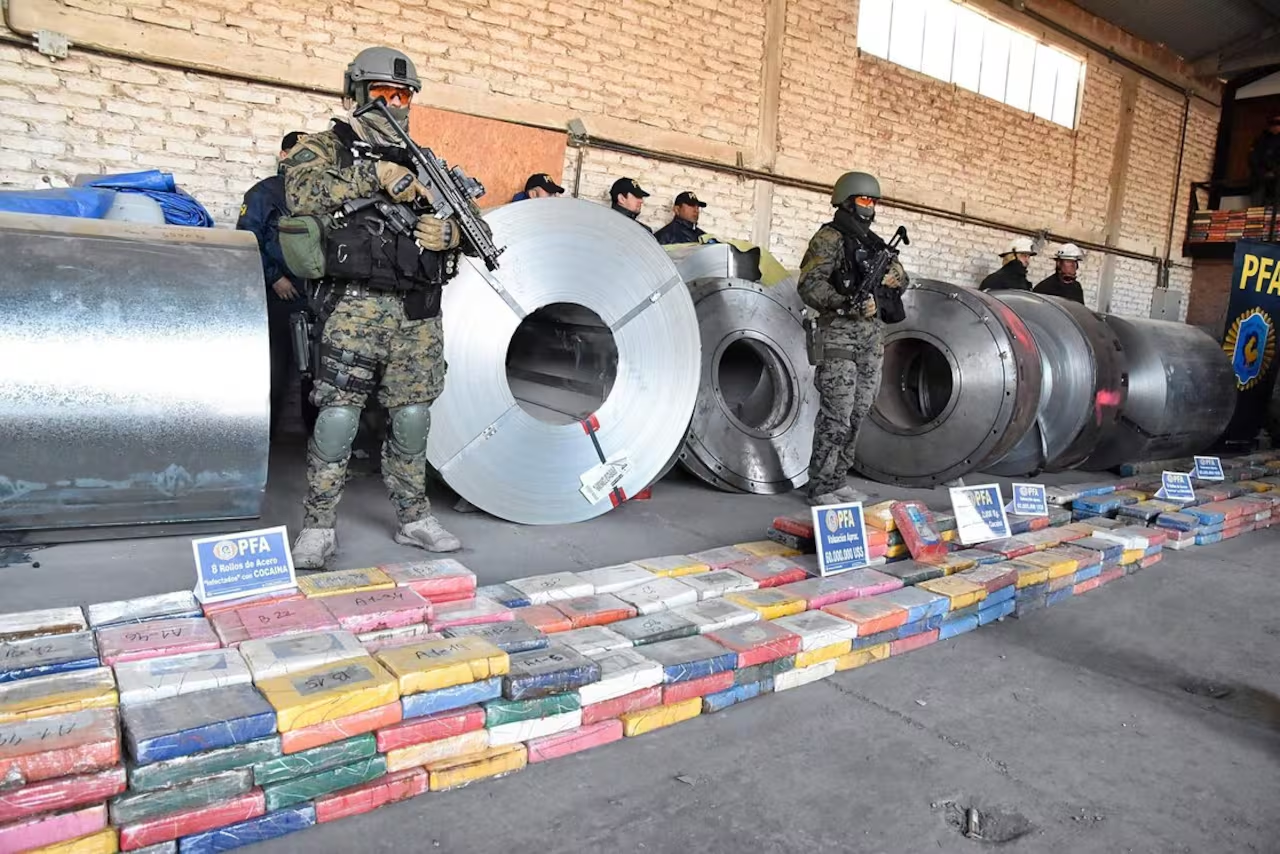
In 2017, Argentine police busted a CJNG-led drug trafficking ring operating out of Mendoza, where CJNG members oversaw a cocaine smuggling operation using industrial cable spools (“bobinas”) to conceal large quantities of the drug for export to Europe. Authorities seized roughly two tons of cocaine hidden inside the spools at a warehouse in Bahía Blanca in 2017.
Sources: Mendoza Post, El Dia, InSight Crime, Borderland Beat Archives, AP News

Don't Miss:
-
US wraps up military mission in Iraq, giving Baghdad room to strengthen China ties
-
As China and the EU begin crunch trade talks, optimism is in short supply
-
Data centre opposition is growing in Australia. Is there a middle ground?
-
Helper arrested for allegedly slapping 5-year-old boy after he refuses to eat
-
Workers, mostly Indian, building US consulate in Milan agree to record settlement